
Short Summary
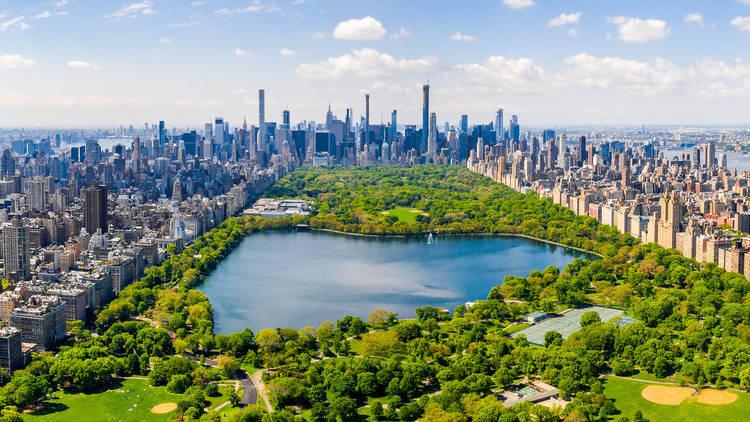
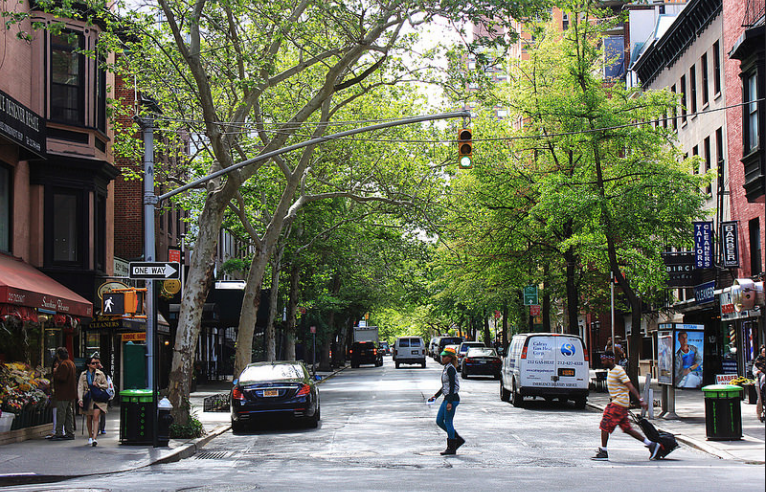
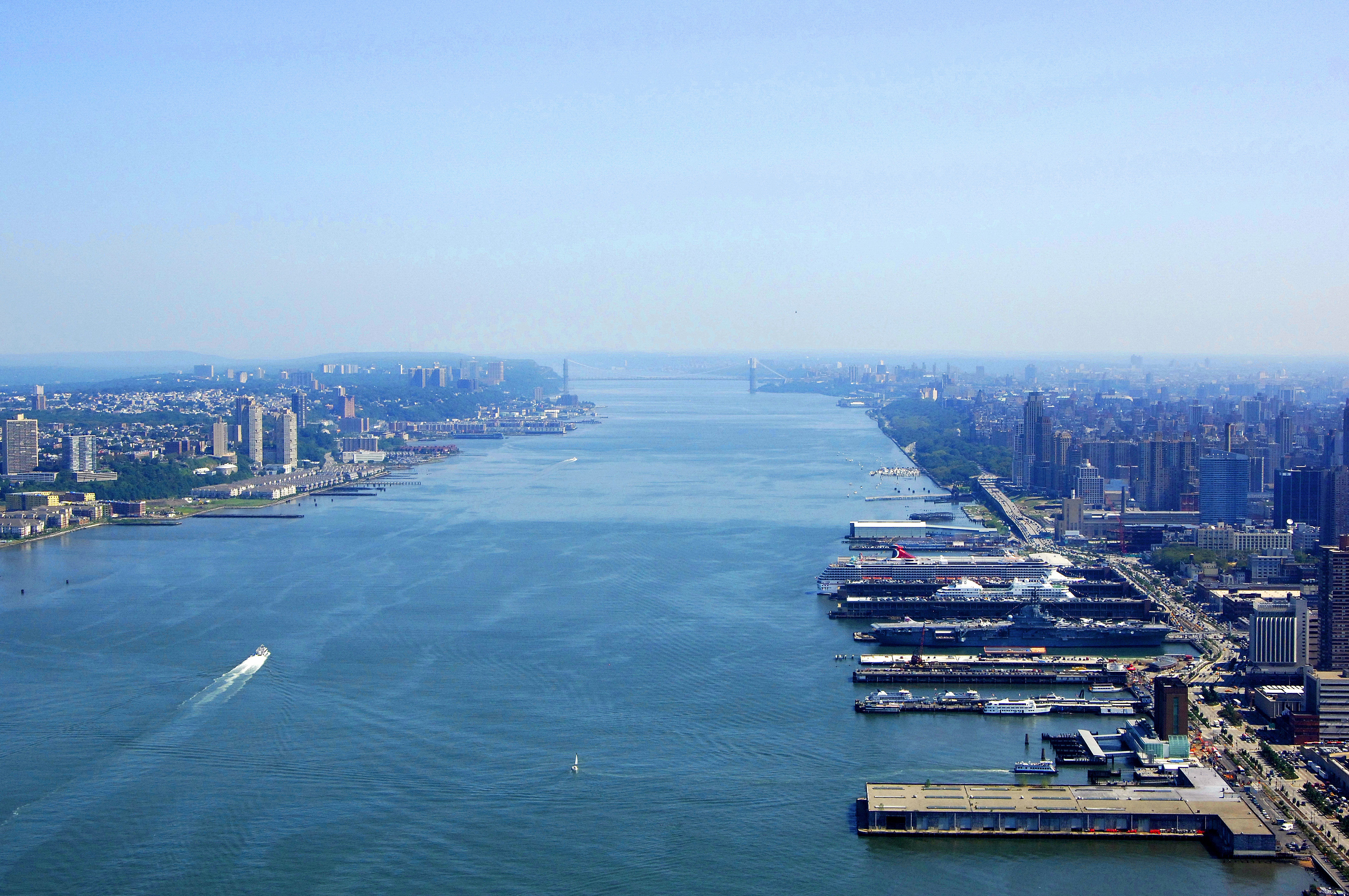
New York City (NYC) is the most populous and the most densely populated city in the U.S. Located on one of the world’s natural harbors, New York is made up of five boroughs, each serving as a county of the city. NYC is considered a cultural, financial, and media capital of the world and is home to the headquarters of the United Nation. The urban forest covers 21% of the city and is made up of approximately 7 million trees on sidewalks and in public parks, natural areas, backyards, and at institutions. The city has 28,000 acres of municipal parkland and 14 miles of public municipal beaches. The largest parks in NYC include Pelham Bay Park, Greenbelt, Van Cortlandt Park, Flushing Meadows-Corona Park, and Central Park. NYC is particularly vulnerable to a changing climate due to the high population and extensive infrastructure. As a seaport with many bridges and tunnels throughout the city, rising sea levels are a significant threat. Understanding tree species vulnerability and key climate impacts is crucial to the development of climate adaptation efforts.
Tree Species Vulnerability
Species distribution modeling suggests that the changing climate will shift suitable habitat and heat and hardiness zones for various tree species in the New York City region. In the tree species list identified for New York City, 21 species have a low adaptability score, 69 species have a medium adaptability score, and 39 species have a high adaptability score. Climate change vulnerability of urban trees, including adaptive capacity and zone suitability under low and high emissions scenarios, is outlined in the tree species handout below.
Climate Change Impacts
New York City made a climate emergency declaration in 2019. Key climate change impacts to NYC include increased temperatures and heat waves, increased precipitation and heavy rainfall events, rising sea levels, and flooding. According to the New York City Panel on Climate Change, the mean annual temperature has been increasing by 0.3°F per decade, a total of 3.4°F. Mean annual temperatures are projected to continue to increase by up to 8.8°F by the 2080s, heat waves are projected to triple from 2 to 6 per year, and hot days above 90°F are also expected to triple from 18 to 57 days per year. Heat vulnerability will vary by social and physical factors of neighborhoods and the urban heat island effect will exacerbate the mean air temperature. The mean annual precipitation has been increasing by approximately 0.8 inches per decade, a total of 8 inches. Precipitation is projected to increase by up to 13% by the 2080s, and heavy rainfall events are projected to increase as well. Meanwhile, sea level rising has averaged 1.2 inches per decade, a total of 1.1 feet. Sea level is expected to rise by up to 39 inches by the 2080s, and a high estimate of 6 feet by 2100, which will increase the frequency and intensity of flooding and cause water resources to become more at-risk of storm surge inundation.
Adaptation Demonstrations
Work With Us
To learn more about this project, contact Leslie.