
Short Summary
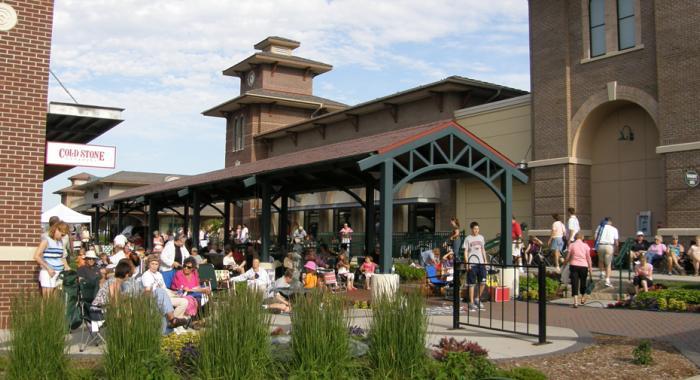
Middleton, a suburb of Madison, is home to over 50 parks and natural areas as well as cross-country skiing and winter biking trails. Known as “The Good Neighbor City” and with agricultural origins, Middleton has a population of nearly 19,500. The city has 9,167 street trees, 2,210 trees within park lands, and thousands in conservation areas. Middleton experiences a typical, Midwestern temperate climate with four distinct seasons. Understanding tree species vulnerability as well as climate impacts is critical to the city’s urban forest management, promotion of the urban forest, and selection of adaptation strategies.
Tree Species Vulnerability
Species distribution modeling suggests that the changing climate will shift suitable habitat and heat and hardiness zones for various tree species in the Middleton region. In the tree species list identified for Middleton, 19 species have a low adaptability score, 69 species have a medium adaptability score, and 43 species have a high adaptability score. Climate change vulnerability of urban trees, including adaptive capacity and zone suitability under low and high emissions scenarios, is outlined in the tree species handout below.

Climate Change Impacts
The state of Wisconsin has warmed by 2-3°F since 1950 and is projected to warm by an additional 2-8°F by 2050. The state has also become 10-20% wetter since 1950 and the annual average is projected to increase. Extreme precipitation events may lead to flooding, which can result in runoff, erosion, infrastructure damage, and transportation issues. Human health impacts include heat-related illness, worsening chronic illnesses, mental health issues, injuries from dangerous weather events, infectious diseases spread by ticks and mosquitoes, and illnesses from contaminated food and water. A changing climate also impacts habitat and survivability of plants, fish, and wildlife, threatening the state’s annual $2 billion fishing industry. For example, warming water temperatures in lakes and streams will cause the loss of species such as Walleye, Northern Pike, and Brown Trout, while warm-water species such as Bluegill and Largemouth Bass will be favored.
Adaptation Demonstrations
Work With Us
To learn more about this project, contact Leslie.