




Project Area

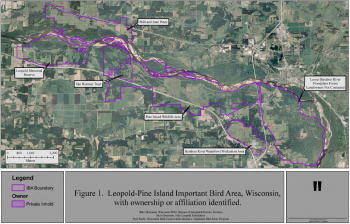 The Leopold-Pine Island Important Bird Area (LPI IBA) sits along the Wisconsin and Lower Baraboo Rivers in south-central Wisconsin. This conservation area spans almost 16,000 acres, including the Aldo Leopold Memorial Reserve and the famous "Leopold Shack." This landscape is a mosaic of marsh, grassland, barrens, floodplain and upland hardwood forest, and agricultural land in private, state, federal, and non‐governmental organization ownership.The Important Bird Areas (IBA) Program is an international effort to identify, protect, and manage sites that contain critical habitats for birds. IBA recognition does not confer any legal status or carry any regulatory requirements, because it's a voluntary conservation program.
Management Goals

The overall goal for the LPI IBA is to improve the health of our individual properties within the conservation area and their collective contribution to local, regional, and national conservation needs. The partners of this IBA manage five large tracts of land that form the bulk of the landscape:
- the Leopold Memorial Reserve, managed by the Aldo Leopold Foundation
- the Pine Island State Wildlife Area and Baraboo River Floodplain Forest, managed by the Wisconsin Dept. of Natural Resources
- the Lower Baraboo River Waterfowl Production Area, managed by the US Fish and Wildlife Service and the USDA NRCS
- the Phil and Joan Pines tract, managed by Jim Pines and the Leopold Foundation
These partners, and other organizations such as the Wisconsin Waterfowl Association and the International Crane Foundation, use birds as indicators of conservation targets. Birds are relatively easy to identify and count, and the habitat needs of specific species are also extremely well studied, meaning that the success or failure of different birds tells a lot about how the plants, animals, and other parts of the ecosystem are working.
When the partners began planning their landscape-level management in 2005, they also created conservation targets for specific plant communities. The Stewardship Recommendations document for the IBA includes specific recommendations for the1,700-acre Leopold Memorial Reserve, such as:
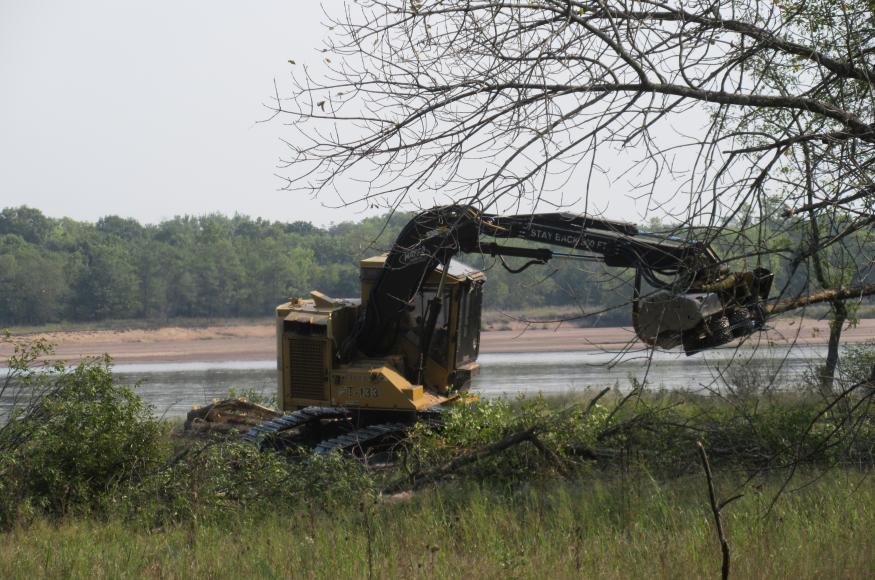
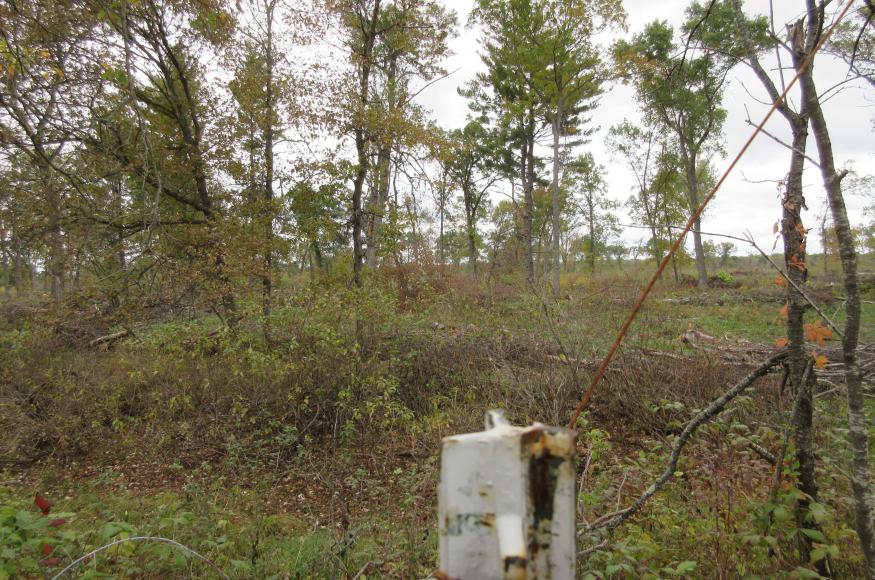
- creating a mosaic of marsh, meadow, savanna, barrens, and forest habitats
- converting some floodplain forest to native dry and dry-mesic prairie
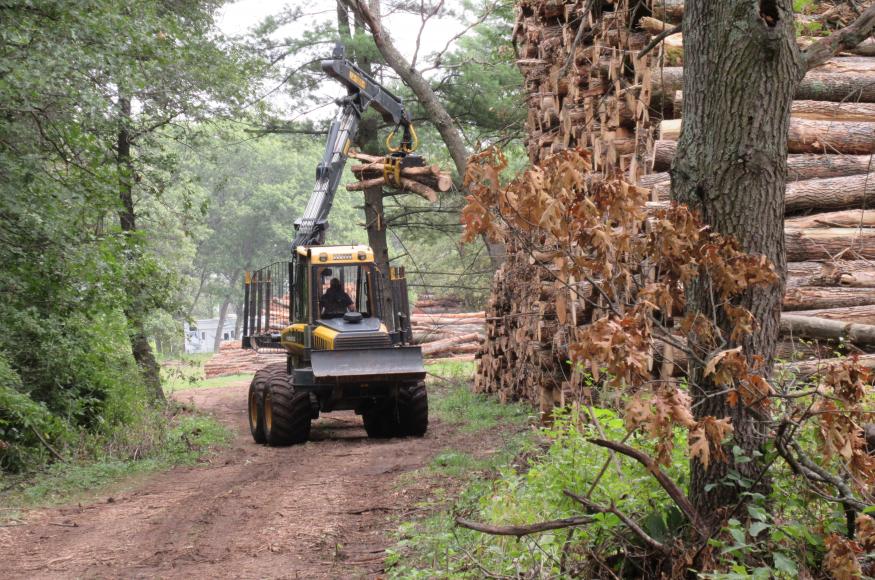
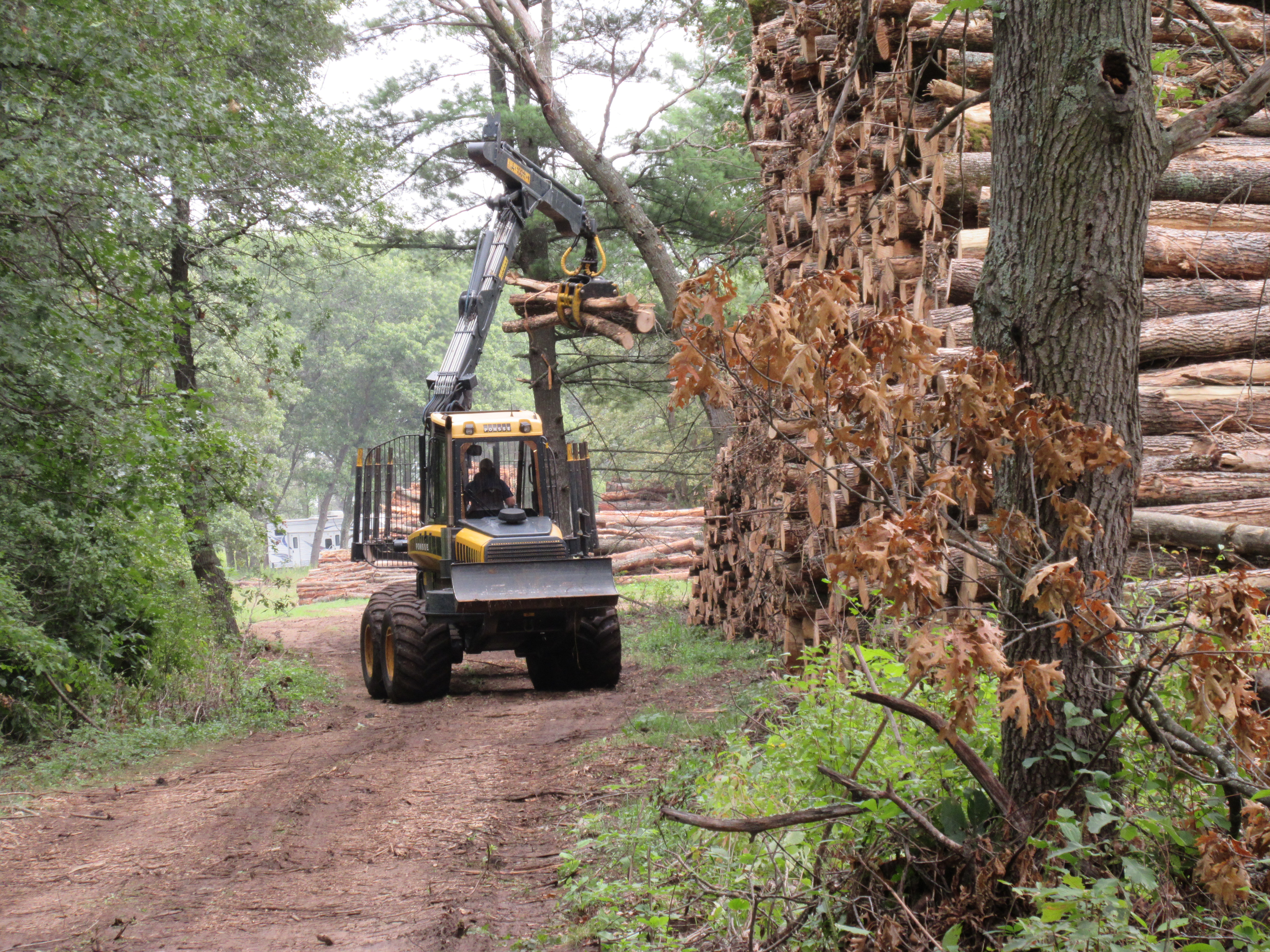
- connecting isolated fragments of grassland in the uplands through harvest and prescribed fire
Climate Change Impacts
Adaptation Actions
Leopold Institute staff used the Adaptation Workbook to develop several adaptation actions for this project. At the time project partners began land management planning, they did consider climate change projections available from the Wisconsin Initiative on Climate Change Impacts. This helped the team's fundamental expectation that drought-tolerant plant communities would be favored under most climate scenarios, and that many of the conservation targets for the IBA make good sense in light of climate adaptation. These are a few of the more specific adaptation actions for the IBA and Leopold Memorial Reserve that stand out:
5.2. Maintain and restore diversity of native species.
9.1. Favor or restore native species that are expected to be adapted to future conditions.
10.1 Promptly revegetate sites after disturbance.