




Project Area

 The single largest property owned by The Trustees of Reservations, Notchview Reservation includes more than 3,100 acres of forests, wetlands, grasslands, and early successional habitats. The property’s size, particularly when considered with its continuity to the Windsor State Forest (>1,500 acres) and the Moran Wildlife Management Area (2,447 acres), provides a vast expanse of relatively unfragmented forest that is critical habitat for wildlife and forest-interior birds. With an average elevation of approximately 2,000 feet, Notchview experiences a colder climate than much of the region, allowing for the existence of boreal species – and is threatened from the changing climate. The prevalent northern hardwood-red spruce forest contains some mature stands and pockets of rich soil which support a greater diversity of vegetation. The reservation includes a variety of wetlands including fast-running streams, beaver impoundments, forest seeps, vernal pools and large expanses of forested swamps, shrub swamps and sedge meadows. Large areas of grasslands, including hay fields, pastures and old fields, provide both valuable habitat for grassland wildlife and pastoral views. It is an important cultural, scenic and ecological landscape that is treasured by thousands of visitors. Given its setting and significance, Notchview offers an opportunity for the Trustees to both explore and demonstrate stewardship that creates and maintains a resilient forest landscape in a changing world.
Management Goals


The Trustees’ goal is to manage Notchview’s forest habitats as a healthy, climate-resilient forest that provides diverse wildlife habitat and natural communities, as well as recreational opportunities and other ways to engage the public. To help achieve this long-term management goal, The Trustees worked with a consulting forester to develop a ten-year forest stewardship plan for Notchview, but with a longer term outlook as well. The forest stewardship plan outlines the goals and objectives for managing the property’s natural resources and will help The Trustees chart how to address threats to the forest resource such as the emerald ash borer, non-native invasive plants, and climate change.
The following are objectives for Notchview forest stewardship:
- Designate areas to develop into late successional forest requiring minimal management beyond invasive species control.
- Plan for impacts on the forest from emerald ash borer and other forest pests.
- Develop recommendations for forest management to benefit our recreational opportunities (skiing, biking, nature watching)
- Identify priorities for invasive plant control that will benefit the resiliency of the existing forest or prepare for development of early successional habitats.
- Establish seed tree groves to support the spread of central hardwoods as the Acadian forest declines.
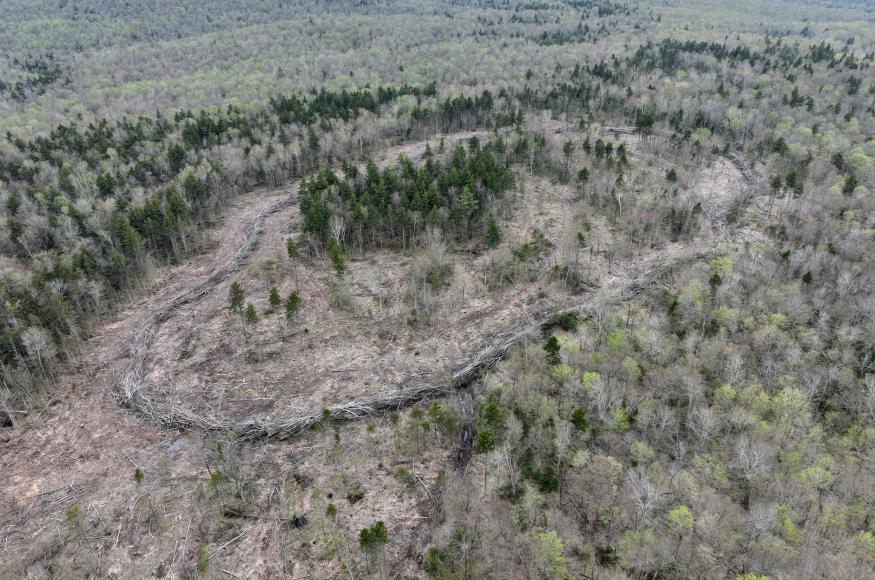
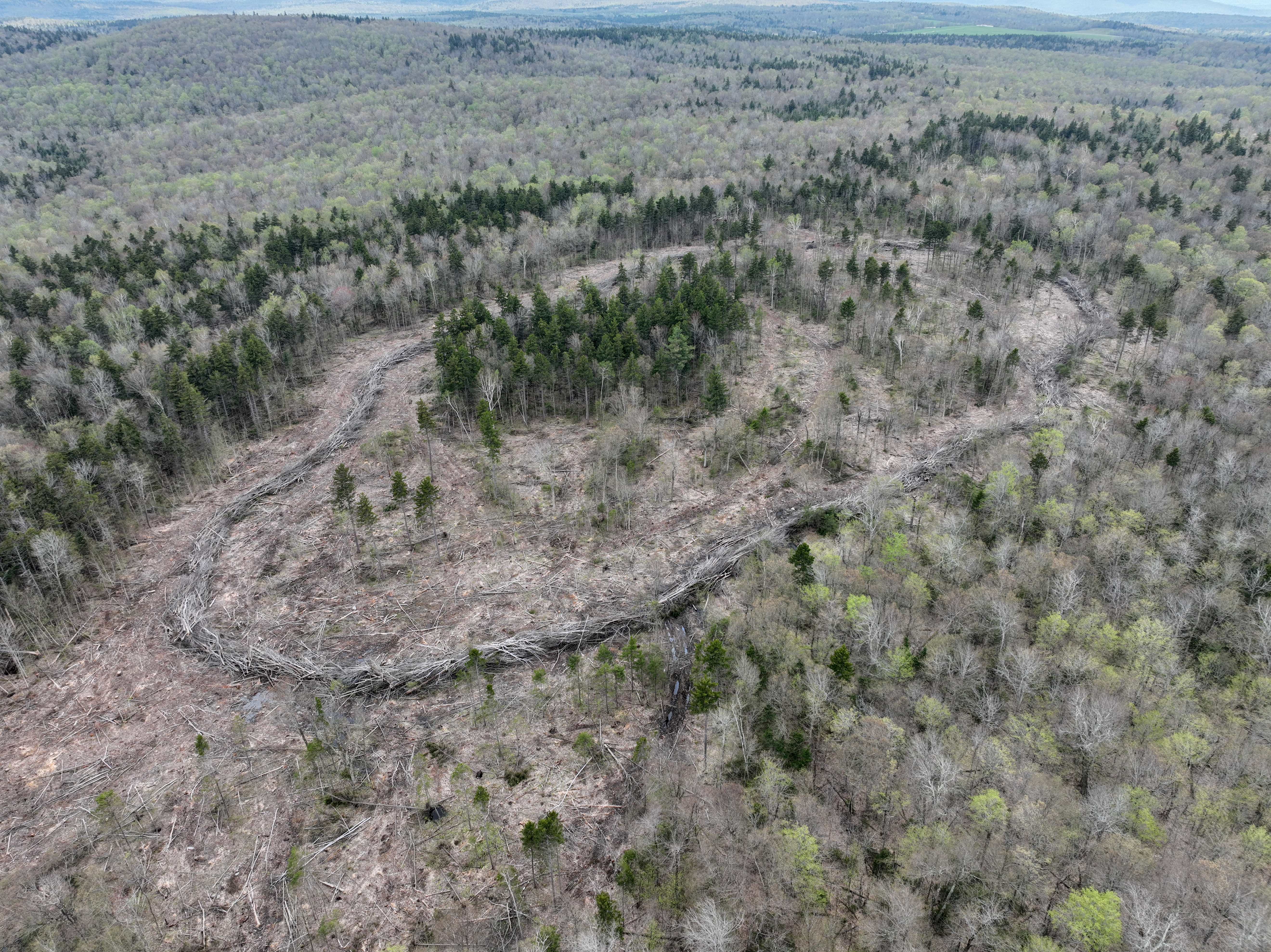
- Implement multiple irregular shelterwood cuts with patch openings of suitable size to support regeneration of shade-intolerant species adapted to future conditions.
- Protect desirable species within planted groves and patch openings using slash walls and other methods.
Climate Change Impacts
Challenges and Opportunities
Challenges
Opportunities
Adaptation Actions
Project participants used the Adaptation Workbook to develop several adaptation actions for this project, including:
4.2. Prioritize and maintain sensitive or at-risk species or communities.
5.3. Retain biological legacies.
9.1. Favor or restore native species that are expected to be adapted to future conditions.
5.2. Maintain and restore diversity of native species.