
Project Area
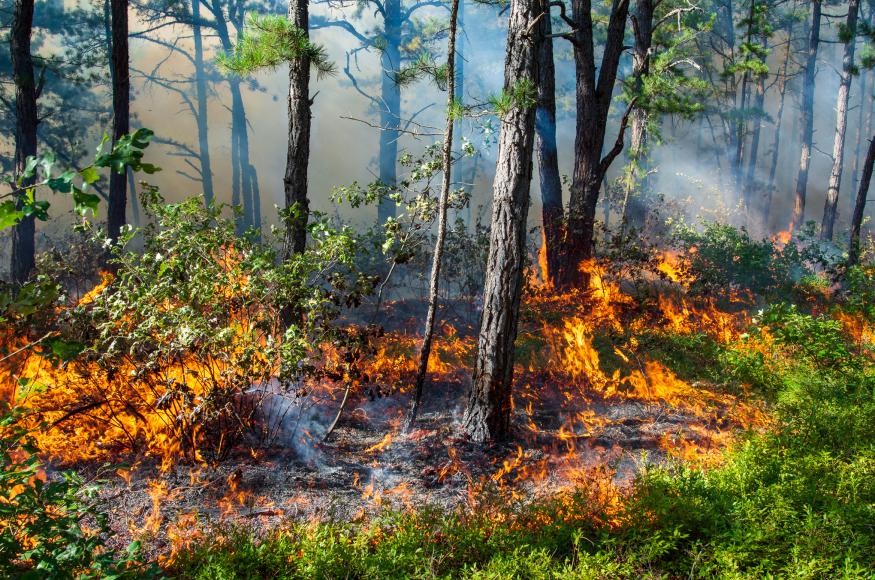
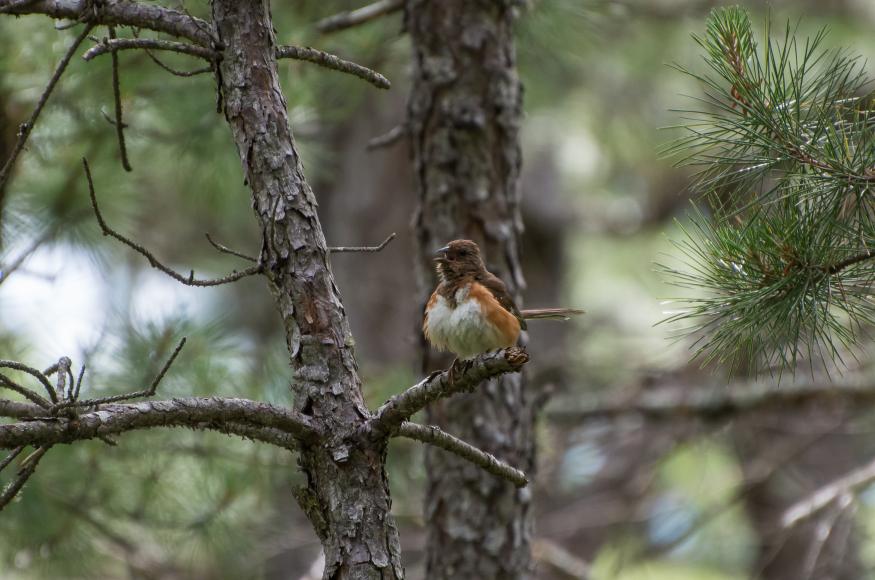
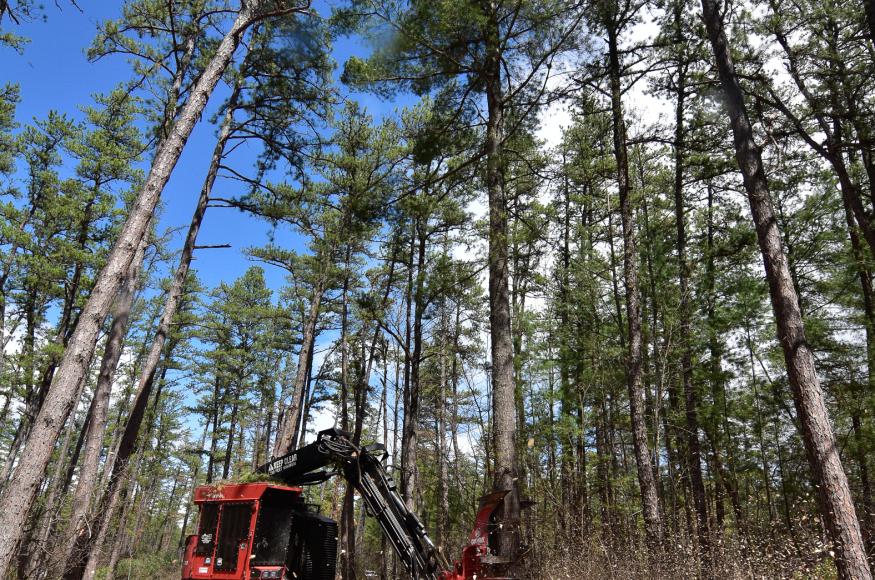
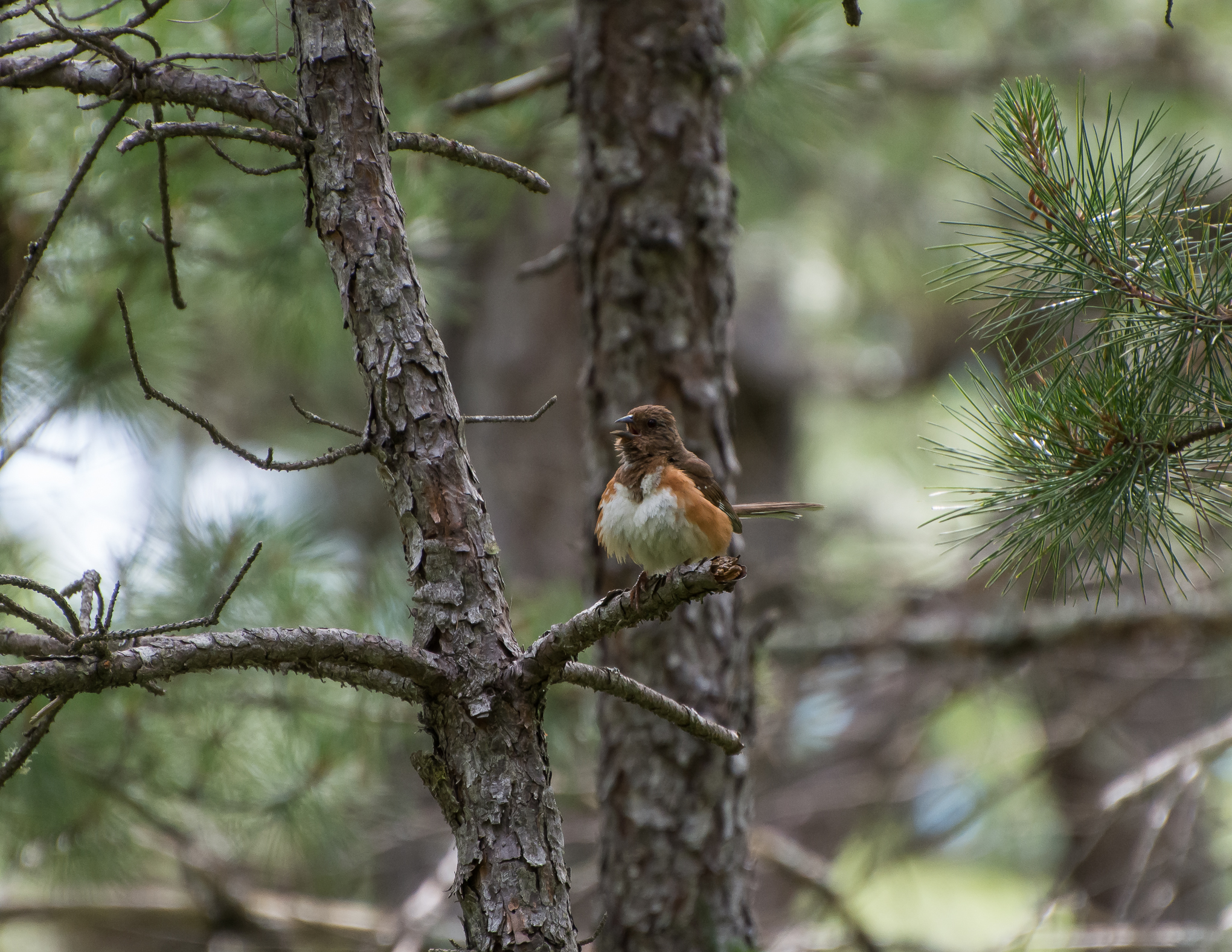
The Ossipee Pine Barrens preserve is roughly 3,000 acres, located in east-central NH between Ossipee and Silver Lake. Glacially-deposited sandy outwash make this area’s soil unfit for cultivation and some types of hardwood communities, but the fire and drought adapted pine-barrens community is well-suited to the drier conditions and many of the projected climate changes. About half of the property is comprised of the pine barrens ecosystem, with the remainder made up of hardwood forest, wetlands, and other shore and riparian communities.
Management Goals
The overall management goals and their corresponding objectives for this area include:
- Increasing structural heterogeneity of the pine barrens at both the landscape and stand levels
- Reduce the cover of scrub oak to less than 50% (20 years)
- Manage for 20-30% pitch pine/scrub oak forest, 50-60% pitch pine/scrub oak woodland, 10-20% pitch pine/scrub oak thicket, and 5-10% scrub oak shrubland (20 years)
- Managing for the regeneration of constituent pine barrens species
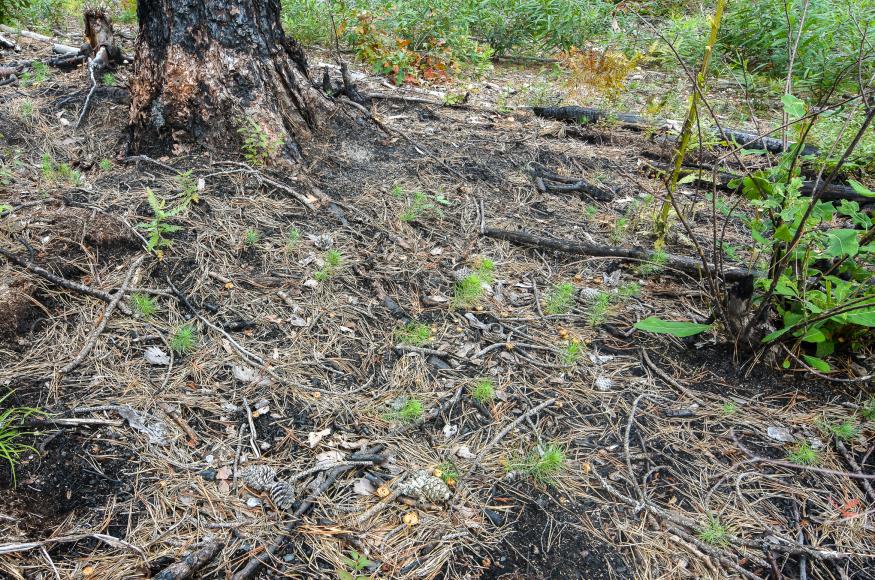
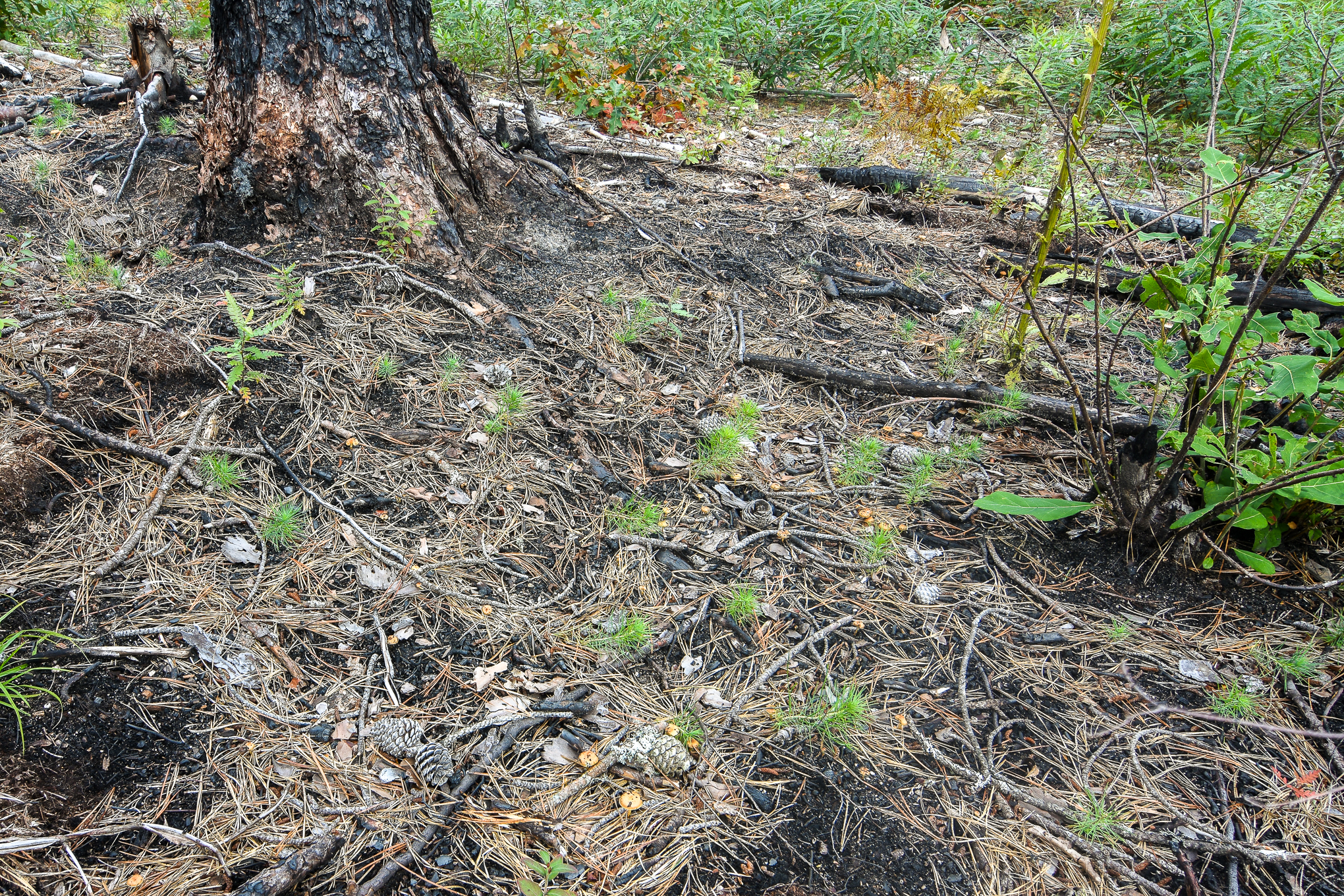
- Reduce the cover of leaf litter and duff to expose mineral soil and provide for regeneration of pitch pine and other constituent plant species (20 years)
- Reduce the cover of white pine and hardwood tree species by 75% (20 years)
- Minimizing negative impacts of southern pine beetle (SPB)
- Create areas of reduced leaf litter and duff to expose mineral soil to facilitate pitch pine recruitment and regeneration (important to support advance regeneration to respond to SPB-caused mortality) (20 years)
- Thin pitch pine dominated stands to reduce stand basal area below 90 sq. ft./acre (10 years)
Challenges and Opportunities
Climate change will present challenges and opportunities for accomplishing the management objectives of this project, including:
Challenges
Longer growing seasons, pitch pine mortality due to Southern pine beetle, and reduced frost conditions may all favor scrub oak, and competing hardwood forest species
Extended drought conditions may limit the prescription of fire
Southern pine beetle could significantly reduce the cover of pitch pine, making it difficult to maintain structural ratios
Longer growing seasons will likely increase amounts of leaf litter, which could limit pitch pine regeneration
Opportunities
Increased drought stress may favor pitch pine in competition with more water-demanding hardwood forest species
Higher fire frequency and severity could lead to positive outcomes: increased mortality for scrub oak and fire intolerant species, greater stand heterogeneity, greater pitch pine regeneration, recruitment, and vigor, more suitable forest floor conditions
Adaptation Actions
Project participants used the Adaptation Workbook to develop several adaptation actions for this project, including:
Area/Topic
Approach
Tactics
Fire
3.2. Establish fuelbreaks to slow the spread of catastrophic fire.
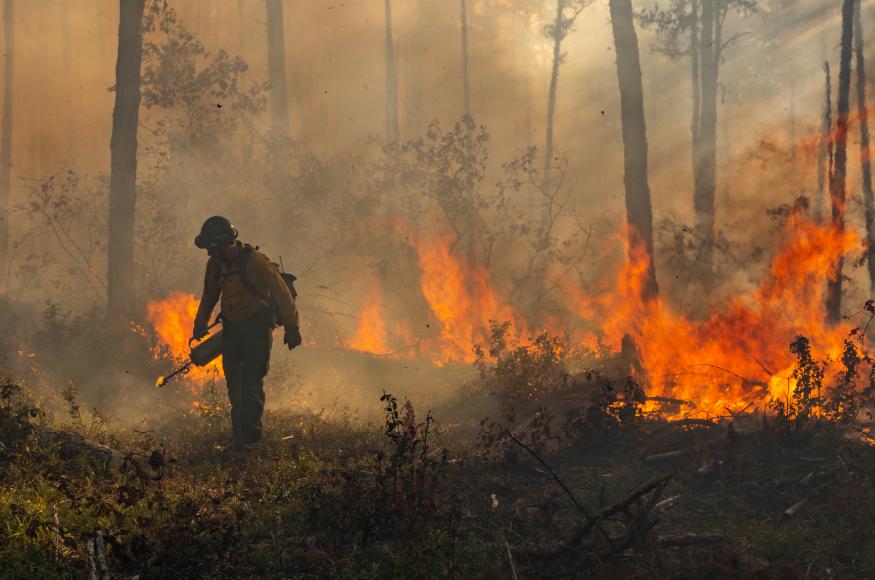
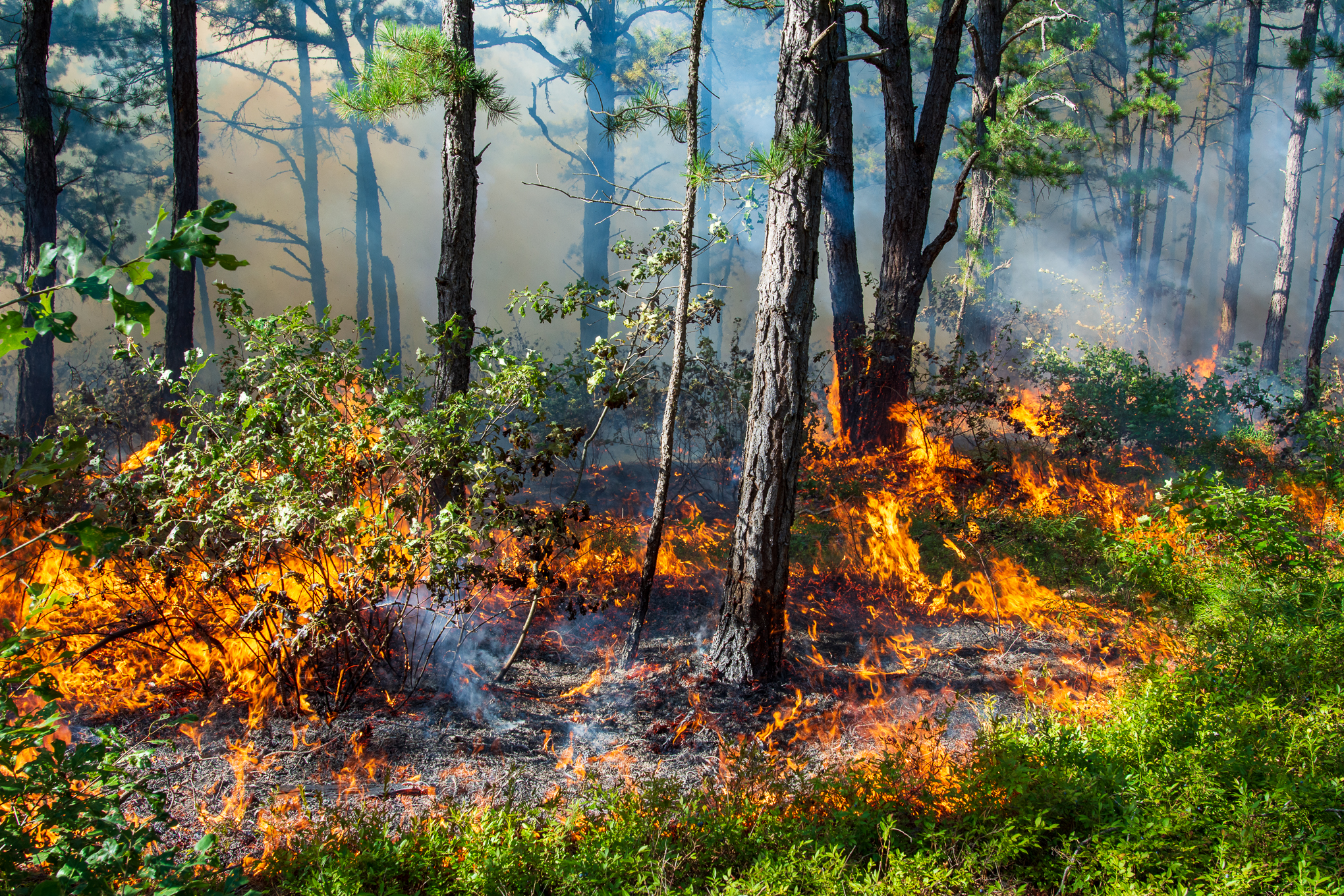
4.3 Restore or maintain fire in fire-adapted ecosystems.
4.3 Restore or maintain fire in fire-adapted ecosystems.
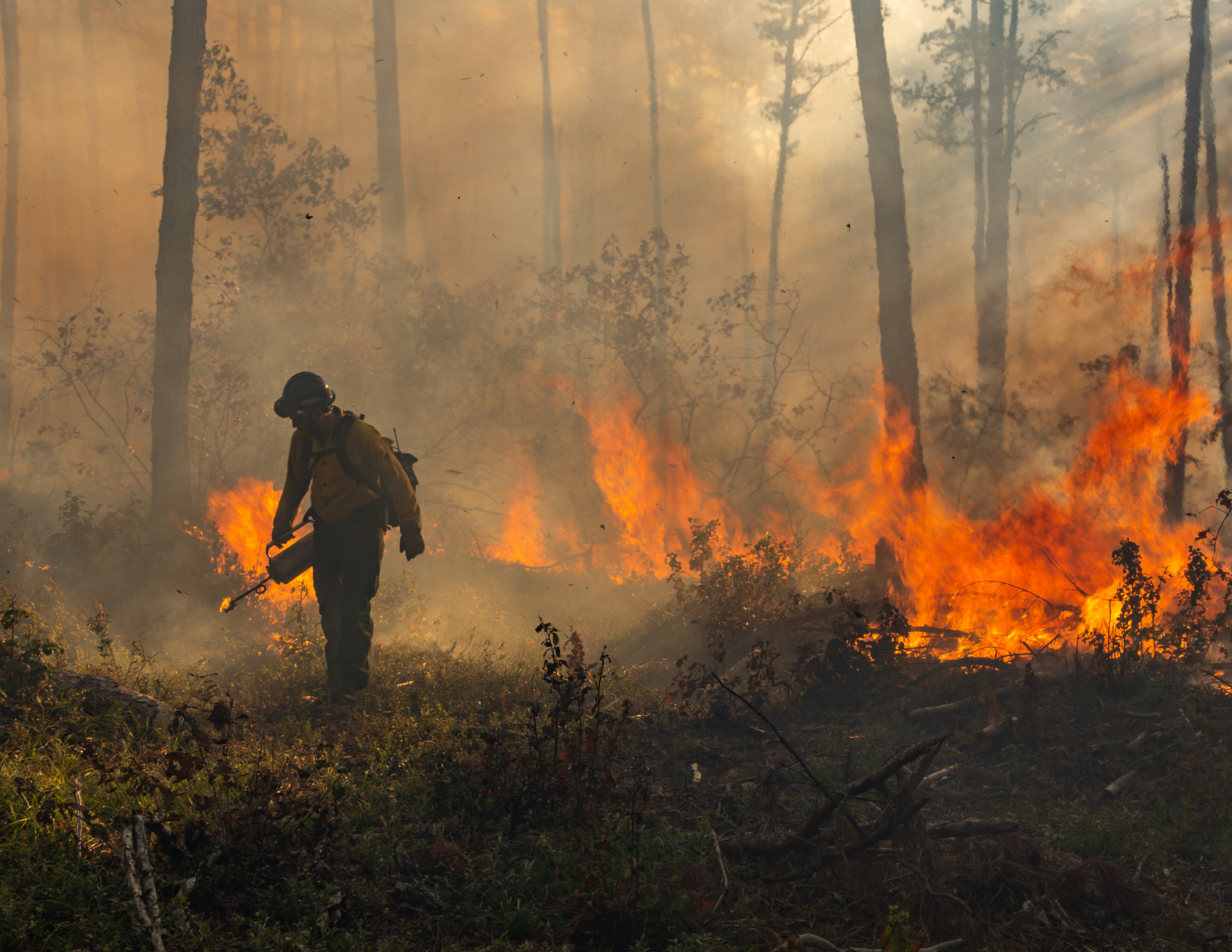
Use natural or prescribed fire to restore the character of pine-oak barrens
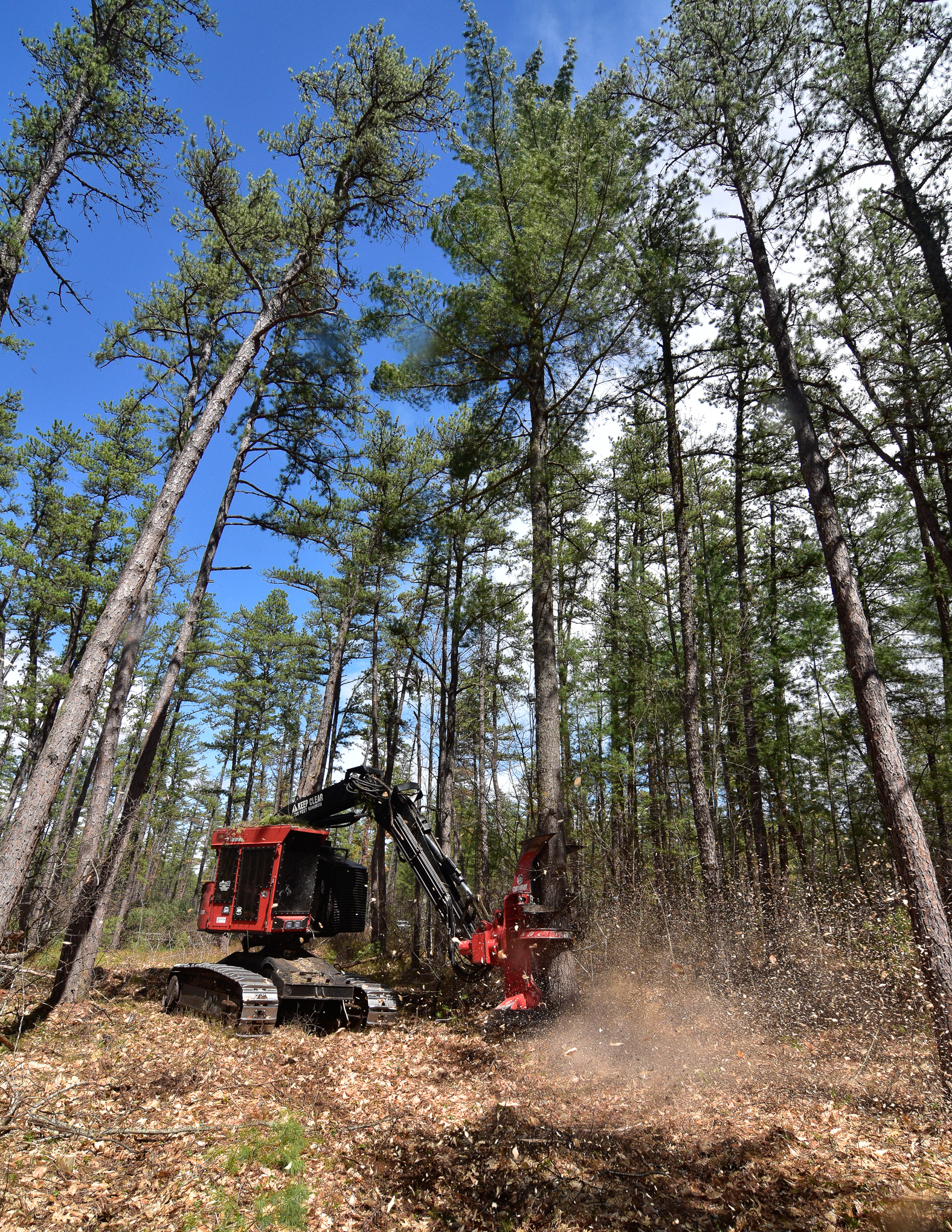
Use prescribed fire or mechanical thinning to lower the volume of dense vegetation and reduce flammability within a buffer zone of appropriate size for the landscape
Forest
1.4. Reduce competition for moisture, nutrients, and light.
2.2. Prevent the introduction and establishment of invasive plant species and remove existing invasive species.
5.1. Promote diverse age classes.
5.2. Maintain and restore diversity of native species.
5.4 Maintain or improve the ability of forests to resist pests and pathogens.
2.2. Prevent the introduction and establishment of invasive plant species and remove existing invasive species.
5.1. Promote diverse age classes.
5.2. Maintain and restore diversity of native species.
5.4 Maintain or improve the ability of forests to resist pests and pathogens.
Use herbicide or mechanical thinning to prevent the encroachment of woody competitors and invasive species, especially after disturbance
Maintain a variety of age classes of a given forest type across a larger landscape
Use silvicultural treatments to promote and enhance diverse regeneration of native species
Thin to reduce the density of a pest’s host species in order to discourage infestation
Use impact models and monitoring data to anticipate the arrival of pests and pathogens and prioritize management actions
Increase monitoring for known or potential invasive species to ensure early detection
Monitoring
Project participants identified several monitoring items that could help inform future management, including:
Scrub oak cover within management units is less than 50% within 5 years of treatment
Cover will be 20-30% pitch pine - scrub oak forest (>60% canopy cover), 50-60% pitch pine - scrub oak woodland (30% - 60% canopy cover), 10-20% pitch pine - scrub oak thicket (10% - 30% canopy cover), and 10% open scrub oak shrubland
Leaf litter within management units will be less than 1 inch post treatment
Pitch pine has the highest relative abundance of seedlings measured/counted within management units and across the site
10 - 30% of the forest floor within management units will consist of exposed mineral soil within 3 years of management
Pitch pine has the highest relative abundance of saplings within management units and across the site
Management units treated with prescribed burns will have a 75% mortality rate of fire intolerant tree species