
Short Summary
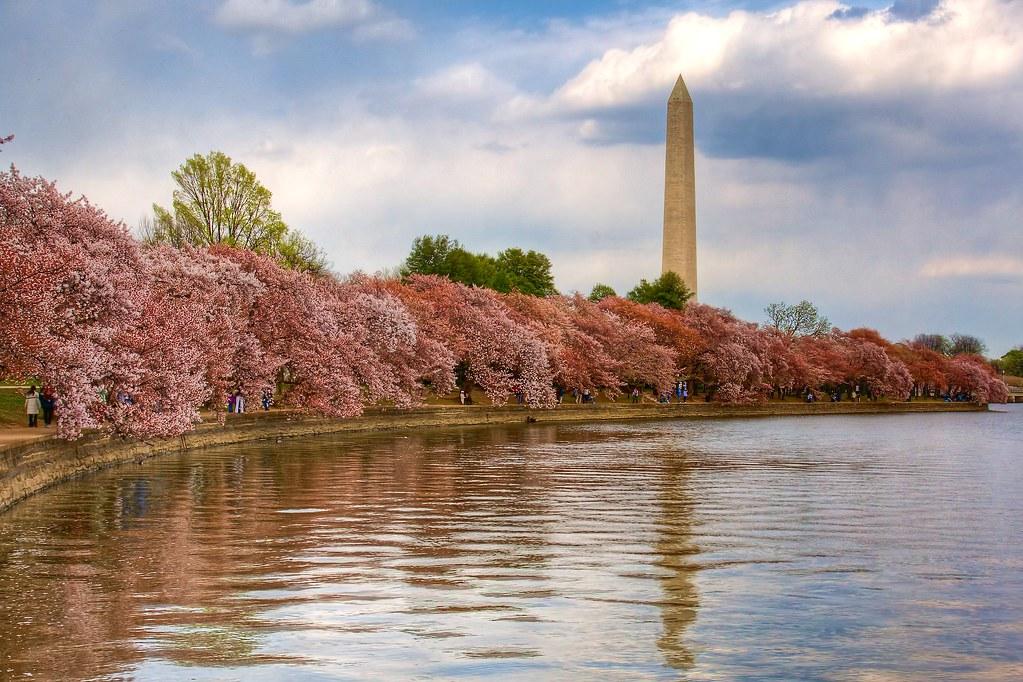
Located at the center of the Mid-Atlantic seaboard amid the intense urban development of Maryland and Virginia, Washington, D.C. hosts the nation’s federal government and the myriad associated industries. The urban forest covers roughly 38% of the city’s area (down from 50% a half century ago), providing residents with vital ecological services during the long, humid summers and giving birth to the historical nickname “the city of trees.” That canopy, however, is not evenly distributed – studies have found that the most affluent neighborhoods have 42% more cover than the least. Compounding these disparities, Washingtonians have no representation in the U.S. congress and no voice at the federal level in the climate change debate. Though there are considerable social challenges to contend with, understanding tree species vulnerability and key climate change impacts is critical to Washington’s climate adaptation and management efforts in the 21st century.
Tree Species Vulnerability
Species distribution modeling suggests that the changing climate will shift suitable habitat and heat and hardiness zones for various tree species in the capital region. The city’s urban forest fortunately includes many native species that are projected to do well or at least survive, even in higher emissions scenarios. The city also has unique considerations, like historical and aesthetic species that may be particularly vulnerable, such as the elms lining the National Mall, which Dutch Elm disease only through regular inoculation. Climate change vulnerability of urban trees, including adaptive capacity and zone suitability under low and high emissions scenarios, is outlined in the tree species handout below.
Climate Change Impacts
The capital is situated on the confluence of the Potomac and Anacostia rivers, near the Potomac’s mouth on the Chesapeake Bay, making the city’s waters tidal, and subject to a projected 2-5 feet of sea level increase by century’s end. The region has already seen an increase of precipitation, particularly in acute events, which have led to damaging floods. Known for its hot and humid summers, Washington D.C. is likely to experience three times as many dangerously hot days in heat waves of the future. The urban heat island effect is particularly pronounced in neighborhoods with less tree cover, with some areas seeing summer maximum temperatures as much as 16°F hotter than other areas within the city. These more prolonged and severe heat waves pose threats both to the citizens and the urban forest, which proactive urban forestry measures now may help to mitigate.
Adaptation Demonstrations
Work With Us
To learn more about this project, contact Leslie.