
Short Summary
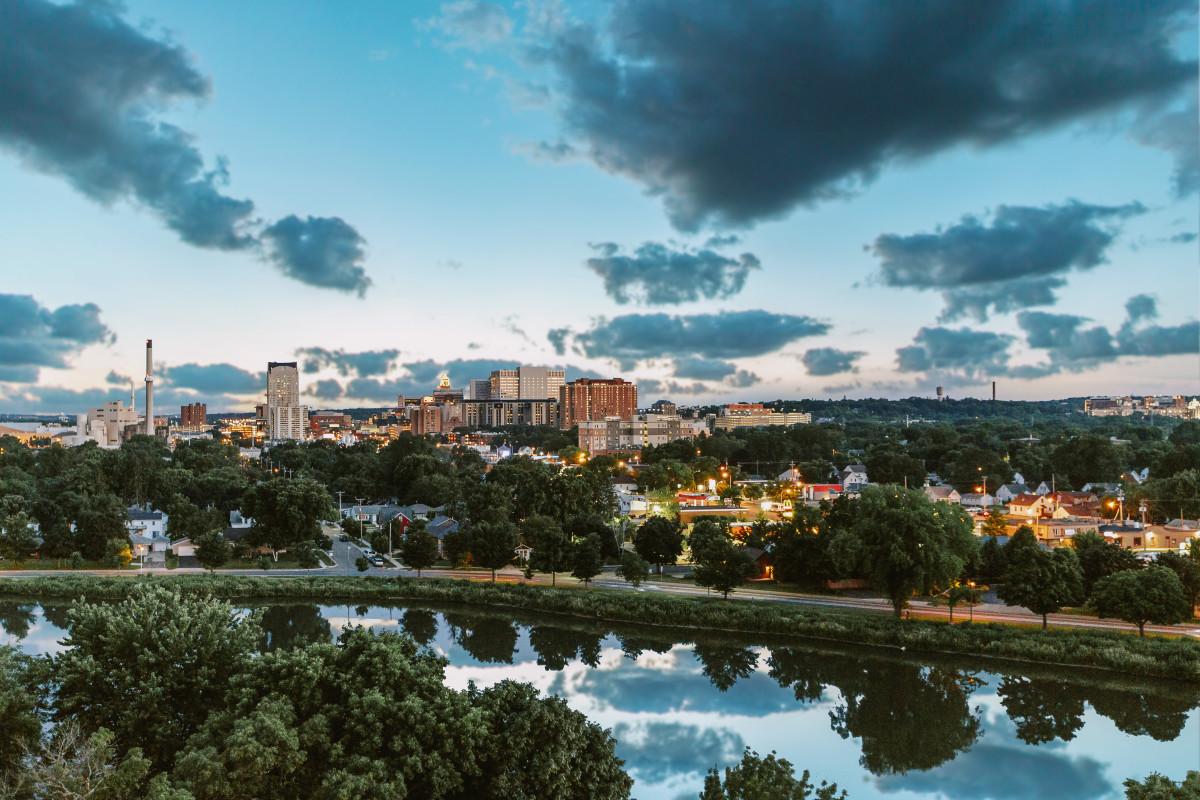
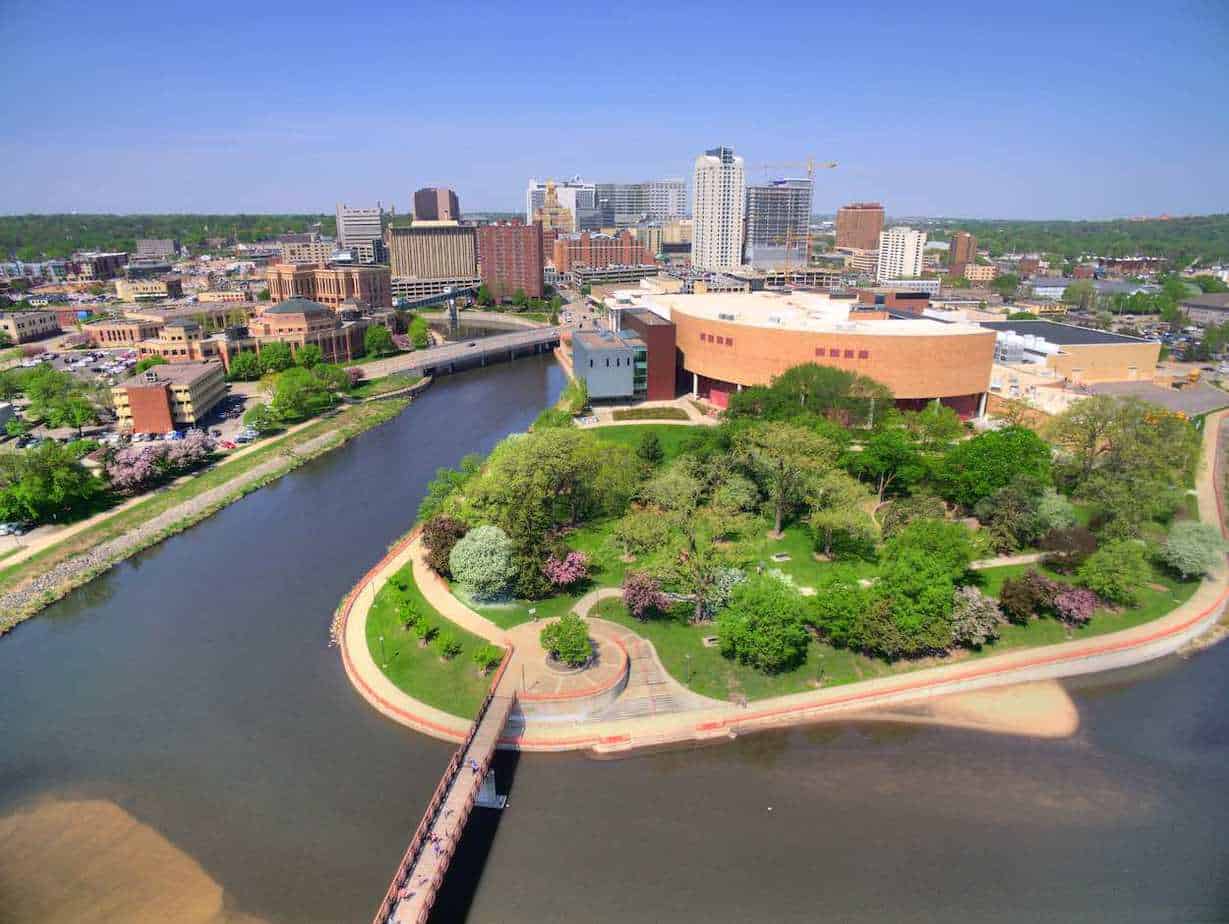
Nestled in a valley in southern Minnesota, the city of Rochester has a population of over 122,000, making it the third largest city in the state. Known for the Mayo Clinic, a renowned healthcare organization, Rochester is situated along the south fork of the Zumbro River. Encompassing about 54 square miles, the city has more than 3,500 acres of park land and 85 miles of paved trails. Similar to the rest of the Midwest, Rochester is experiencing the effects of climate change. Many tree species that provide economic and cultural benefits are adapted to cooler climates and will be under greater stress as habitat suitability shifts. Understanding key climate impacts and tree species vulnerability is crucial to urban forest management and climate change adaptation.
Tree Species Vulnerability
The urban forest provides many benefits to Rochester. In 2018, the City of Rochester calculated the benefits of the 41,000 inventoried trees using the iTree Calculator. Benefits included over $1 million saved in stormwater benefits and electricity and natural gas costs, nearly 27 million gallons of rainfall intercepted, over 4 million tons of CO2 sequestered, and over 33,000 pounds of air pollutants removed.
Species distribution modeling suggests that the changing climate will shift suitable habitat and heat and hardiness zones for various tree species in the Rochester region. In the tree species list identified for Rochester, 15 species have a low adaptability score, 61 species have a medium adaptability score, and 37 species have a high adaptability score. Climate change vulnerability of urban trees, including adaptive capacity and zone suitability under low and high emissions scenarios, is outlined in the tree species handout below.
Climate Change Impacts
Statewide, temperatures have increased 1° to 3°F while average low temperatures have increased more quickly than average high temperatures. Key climate impacts in the Rochester region include increased temperatures, more frequent extreme heat events, increased drought risk, increased precipitation resulting in increased stormwater runoff and erosion, more frequent intense precipitation events, habitat loss and fragmentation, and amplified stressors such as invasive species.
Work With Us
To learn more about this project, contact Leslie.