
Short Summary
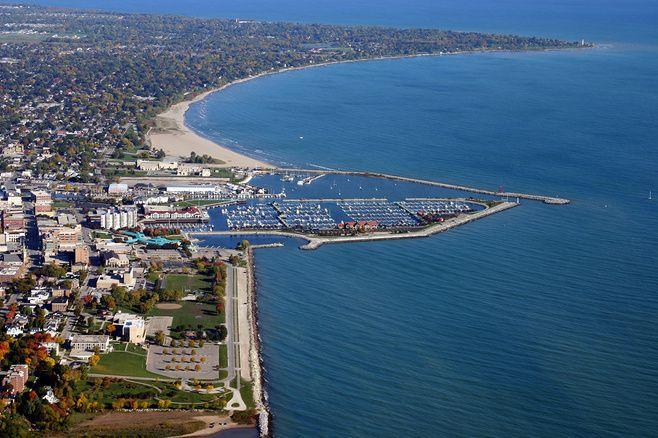
Racine is situated on the shore of Lake Michigan at the mouth of the Root River, about 22 miles south of Milwaukee. The city is considered one of the most affordable in Wisconsin and has a population of over 77,000. Racine is home to several immigrant communities, notably the largest North American settlement of Danes outside Greenland, and is one of the most diverse cities in the state. The City of Racine manages 40,000 tree sites in parks, along streets, and at additional city-owned property, which includes actual trees as well as stumps and vacant planting sites. The public trees provide nearly $3 million each year in benefits. The Parks and Recreation Department manages over 1,100 acres of parks, 5 community centers, and many additional recreational facilities. The surrounding area has a land cover mixture of forests, agriculture, and urban development. Racine experiences a warm-summer continental climate, with warm summers, cold winters, and precipitation dispersed relatively even throughout the year. The climate is influenced by Lake Michigan, which can bring cooler air for more mild summers and increased precipitation in warmer falls and early winter. Understanding tree species vulnerability and climate change impacts is crucial for urban forest management and adaptation planning.
Tree Species Vulnerability
Species distribution modeling suggests that the changing climate will shift suitable habitat and heat and hardiness zones for various tree species in the Racine region. In the tree species list identified for Racine, 19 species have a low adaptability score, 70 species have a medium adaptability score, and 44 species have a high adaptability score. Climate change vulnerability of urban trees, including adaptive capacity and zone suitability under low and high emissions scenarios, is outlined in the tree species handout below.
Climate Change Impacts
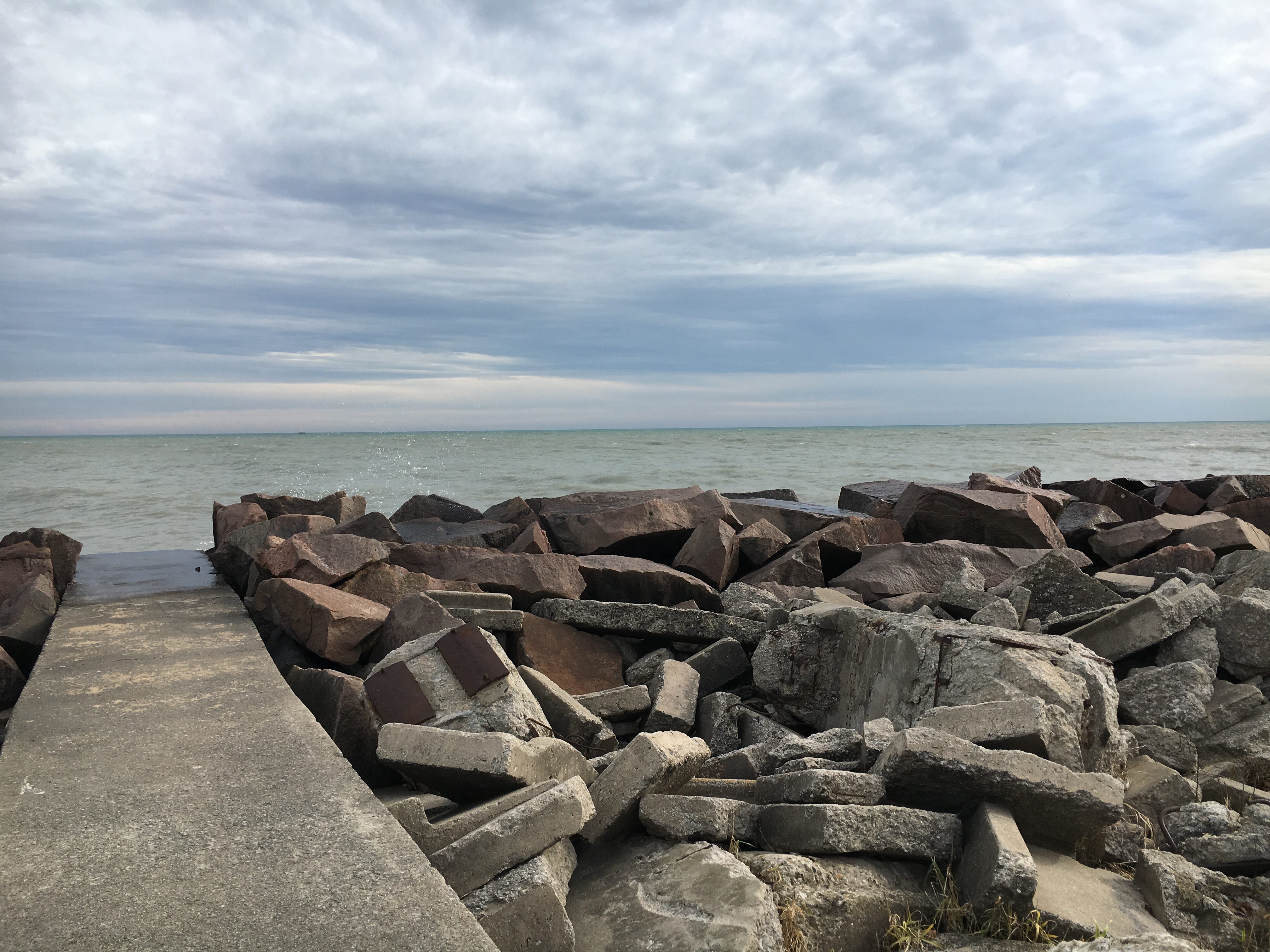
The state of Wisconsin has warmed by 2-3°F since 1950 and is projected to warm by an additional 2-8°F by 2050. The state has also become 10-20% wetter since 1950 and the annual average is projected to increase. Extreme precipitation events may lead to flooding, which can result in runoff, erosion, infrastructure damage, and transportation issues. Human health impacts include heat-related illness, worsening chronic illnesses, mental health issues, injuries from dangerous weather events, infectious diseases spread by ticks and mosquitoes, and illnesses from contaminated food and water. A changing climate also impacts habitat and survivability of plants, fish, and wildlife, threatening the state’s annual $2 billion fishing industry. For example, warming water temperatures in lakes and streams will cause the loss of species such as Walleye, Northern Pike, and Brown Trout, while warm-water species such as Bluegill and Largemouth Bass will be favored. As a coastal community, the City of Racine aims to identify ways to enhance their built and natural environment in the face of climate change through habitat restoration, increasing coastal resiliency, expanding green infrastructure, and engaging in long-term planning and educational opportunities.
Featured Resources
Work With Us
To learn more about this project, contact Leslie.