
Short Summary
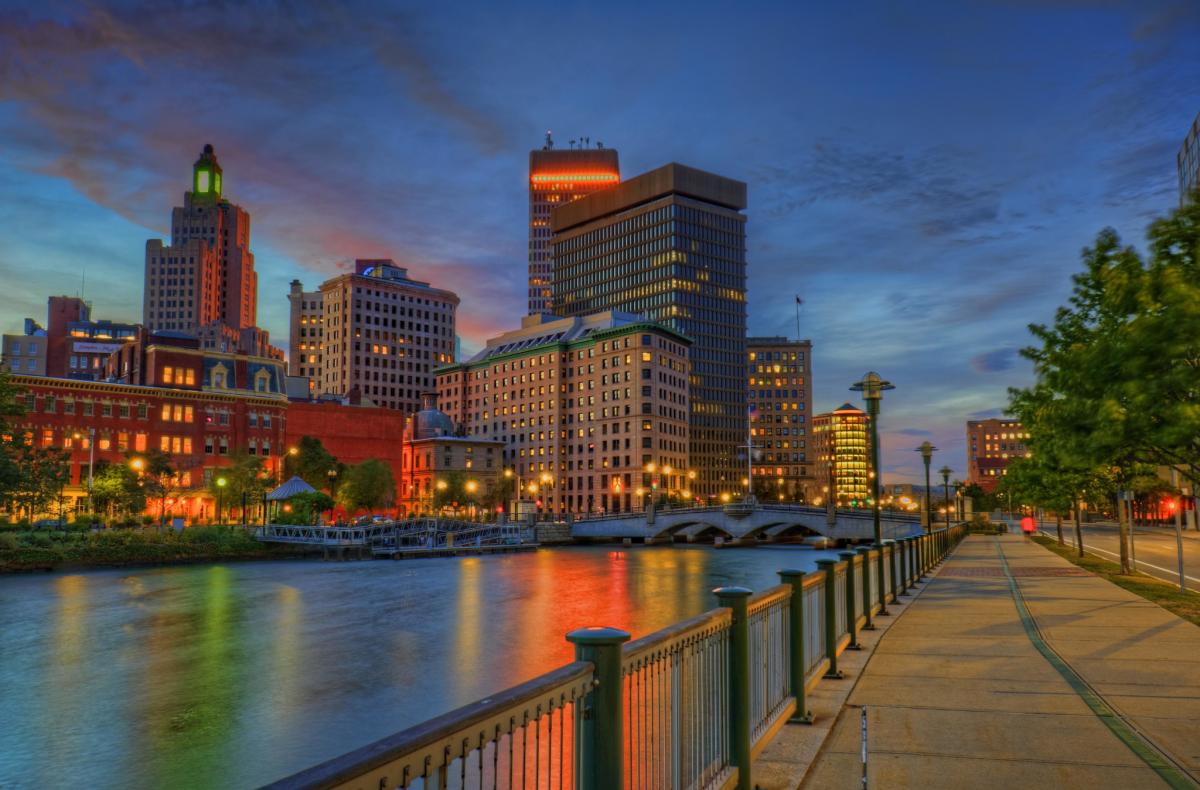
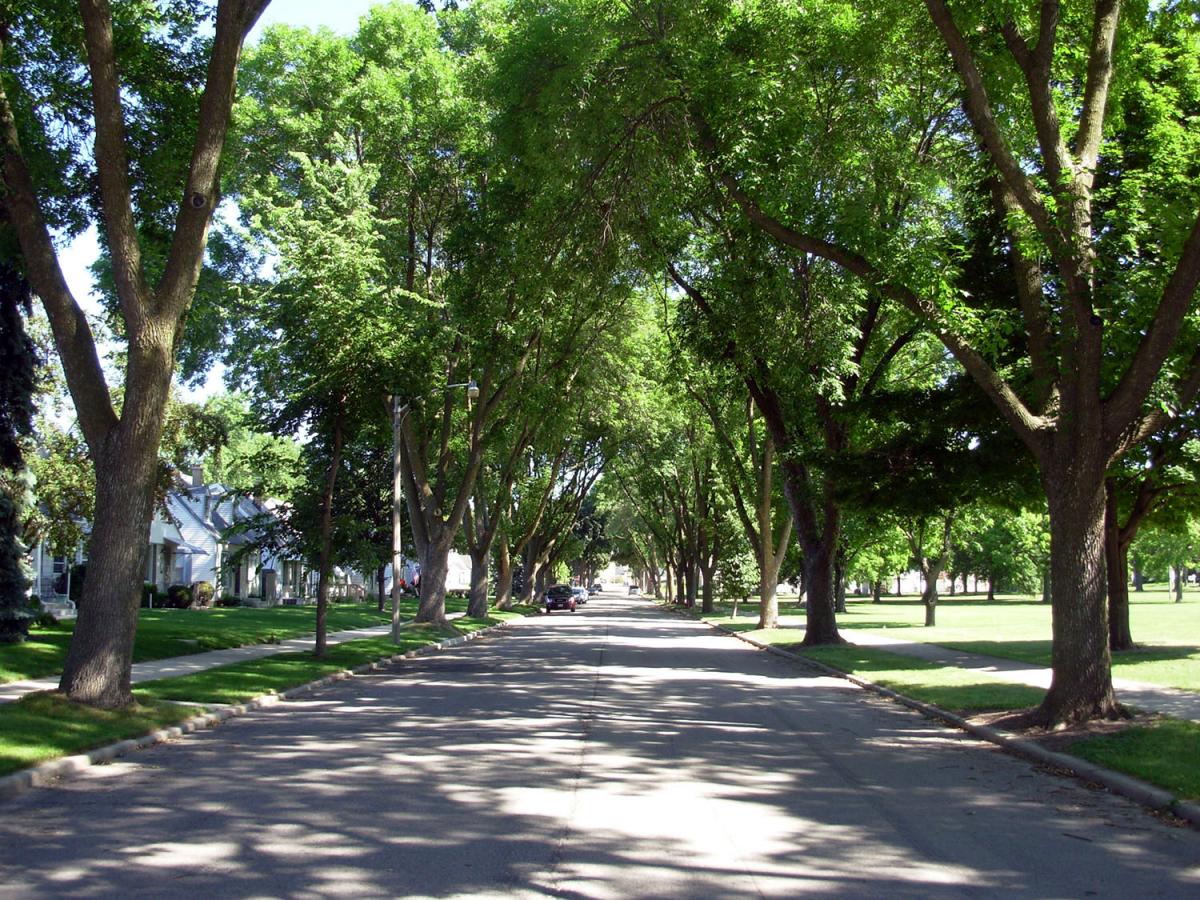
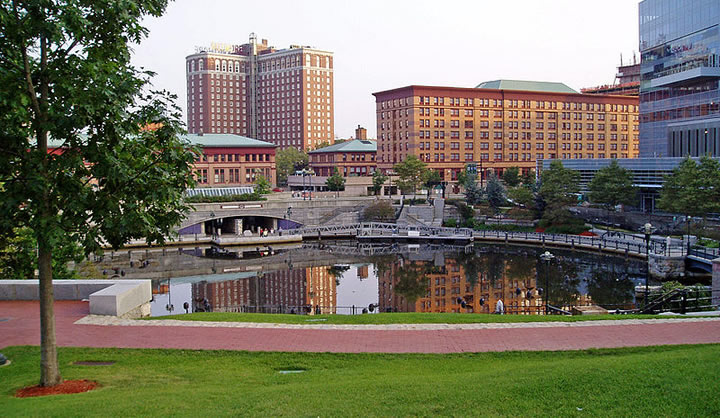
Located at the mouth of the Providence River and head of Narragansett Bay, Providence is one of the oldest cities in the United States and the third most populous city in New England with a population of over 180,000. Providence is home to the capital of Rhode Island in addition to seven higher learning institutions and eight hospitals. The city’s economy has shifted more into the service industry, but still has some manufacturing activity as well. Providence has a humid continental climate and also borders a humid subtropical climate, experiencing hot summers, cold winters, and year-round high humidity. The city has 103 neighborhood parks totaling 1,400 acres and is home to 27,400 street trees. Providence’s Forestry Division plants trees in partnership with the Providence Neighborhood Planting Program (PNPP) with matched financing from the Mary Elizabeth Sharpe PNPP Fund of the Rhode Island Foundation. Each year, PNPP plants 500 trees throughout the city and is also involved in stewardship and community outreach. Understanding climate impacts and tree species vulnerability and adaptability is critical in implementing climate adaptation strategies to ensure the benefits trees provide for future generations.
Tree Species Vulnerability
Species distribution modeling suggests that the changing climate will shift suitable habitat and heat and hardiness zones for various tree species in the Providence region. Climate change vulnerability as well as carbon and human health benefits of urban trees are outlined in the Rhode Island tree species handout below.
Climate Change Impacts
Adaptation Demonstrations
Featured Resources
Work With Us
To learn more about this project, contact Leslie.