
Short Summary
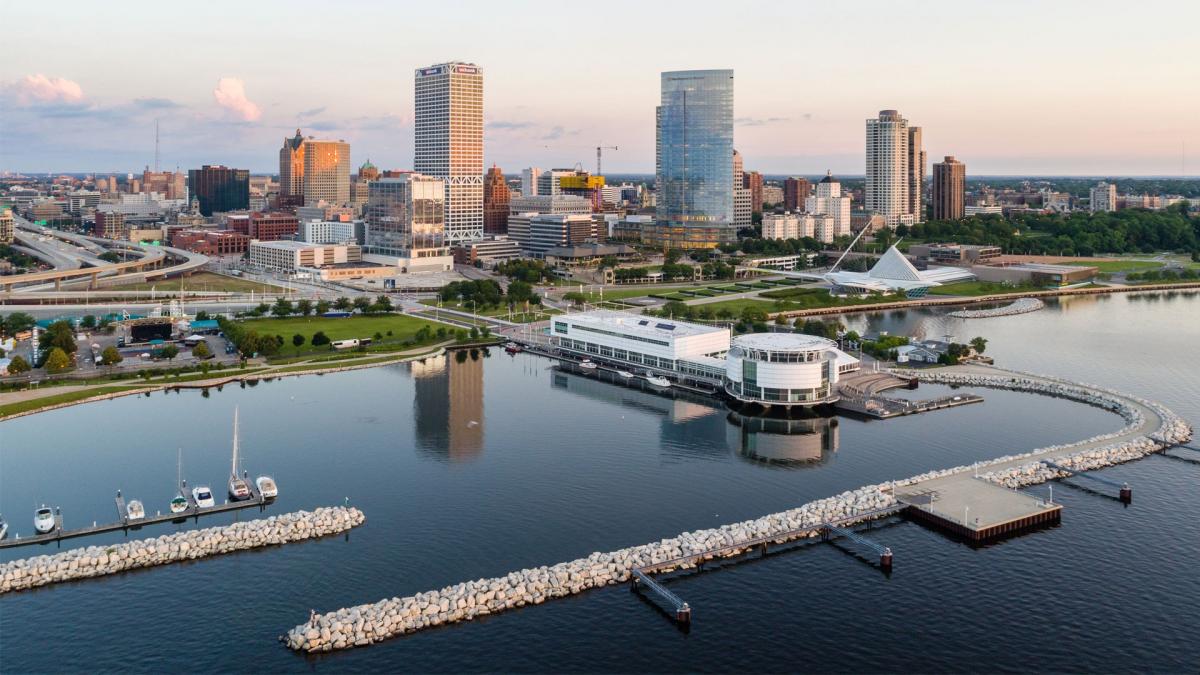
Located on Lake Michigan’s southwest shore, Milwaukee is the largest city in Wisconsin and fifth largest in the Midwest. Milwaukee is known for its breweries and historical attractions and is one of the most ethnically and culturally diverse cities in the nation. A changing climate presents serious threats to the city and risks to the Great Lakes. Situated in a major metropolitan area, flooding and urban heat islands threaten human health, especially in low-income neighborhoods. The urban forest is estimated to have nearly 3.7 million trees and a canopy cover of almost 22%, providing social, economic, and environmental benefits to the local community. Understanding tree species vulnerability and key climate change impacts is critical to Milwaukee’s climate adaptation and management efforts in the 21st century.
Tree Species Vulnerability
Species distribution modeling suggests that the changing climate will shift suitable habitat and heat and hardiness zones for various tree species in the Milwaukee region. In the tree species list identified for Milwaukee, 20 species have a low adaptability score, 72 species have a medium adaptability score, and 46 species have a high adaptability score. Climate change vulnerability of urban trees, including adaptive capacity and zone suitability under low and high emissions scenarios, is outlined in the tree species handout below.

Climate Change Impacts
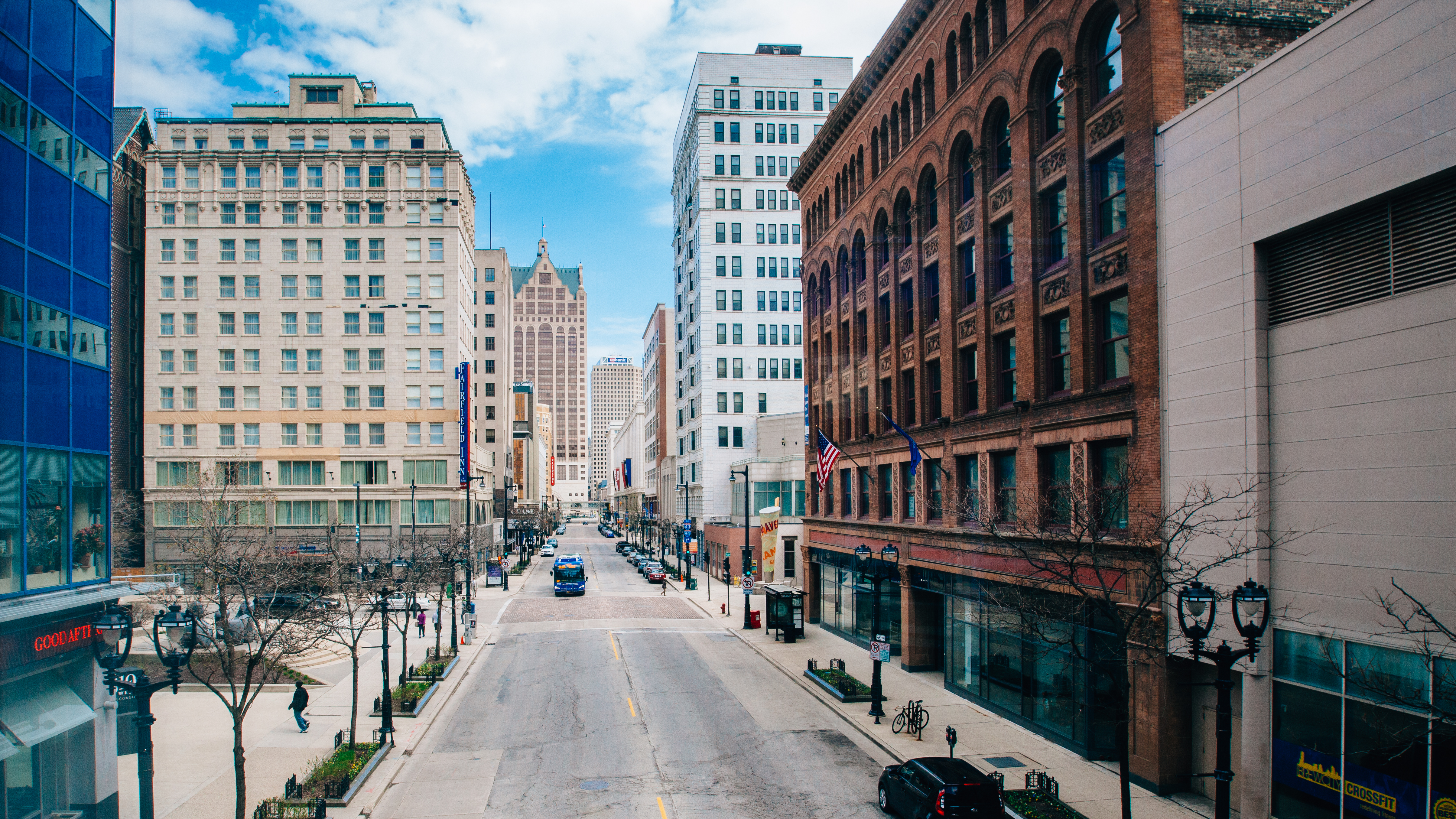
The state of Wisconsin has warmed by 2-3°F since 1950 and is projected to warm by an additional 2-8°F by 2050. The state has also become 10-20% wetter since 1950 and the annual average is projected to increase. Key climate change impacts include extreme heat events, more frequent and intense precipitation events, summer droughts, and flooding that threatens health, infrastructure, transportation, agriculture, air and water quality, and more. Extreme storms can increase pollution runoff from land to water, and can cause sewage overflows, threatening drinking water, beach safety, and increasing the risk of algal blooms. Climate change is also projected to degrade water quality in Lake Michigan, causing more algal blooms, harming fish, and decreasing water quality.
Adaptation Demonstrations

Work With Us
To learn more about this project, contact Leslie.