
Project Area
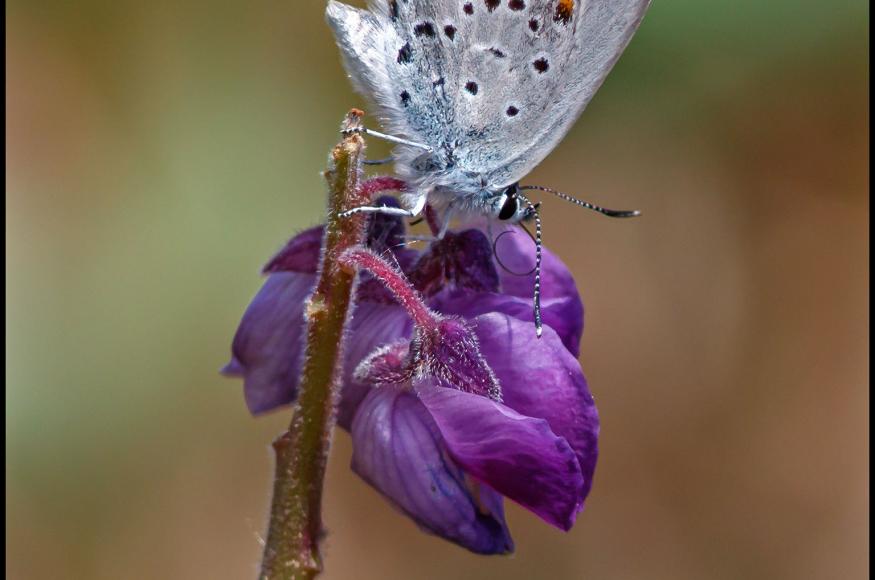
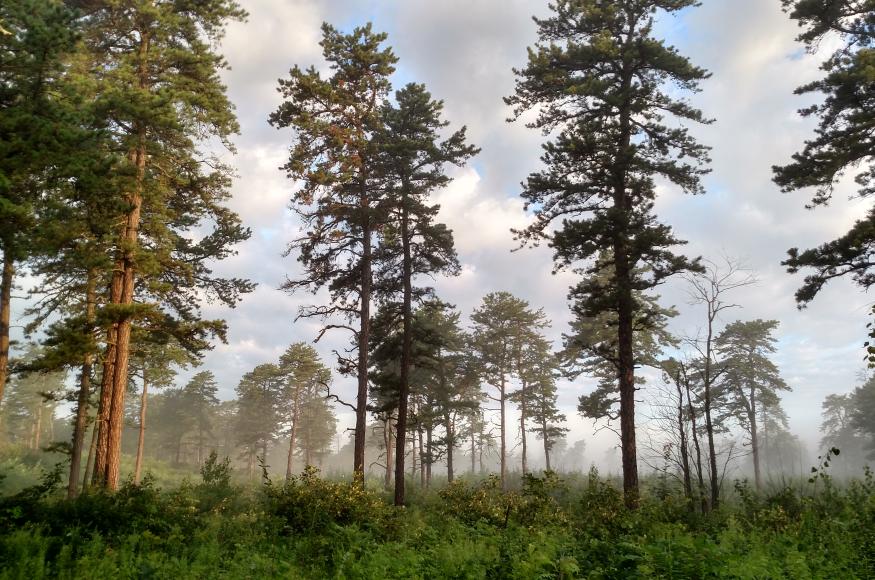
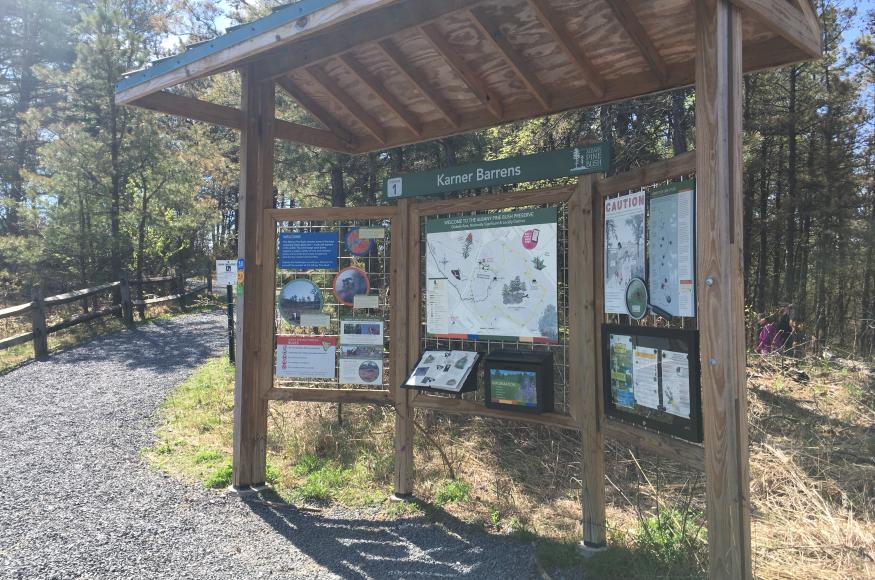
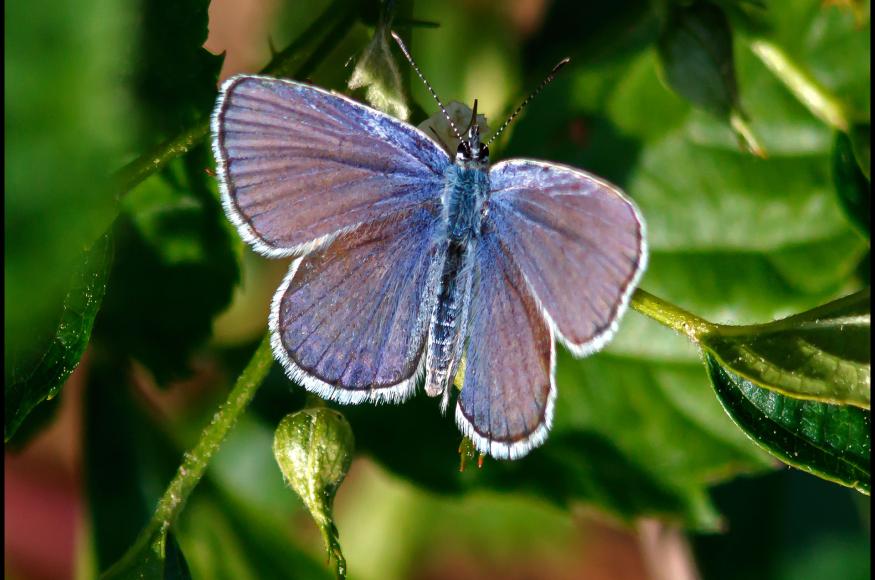
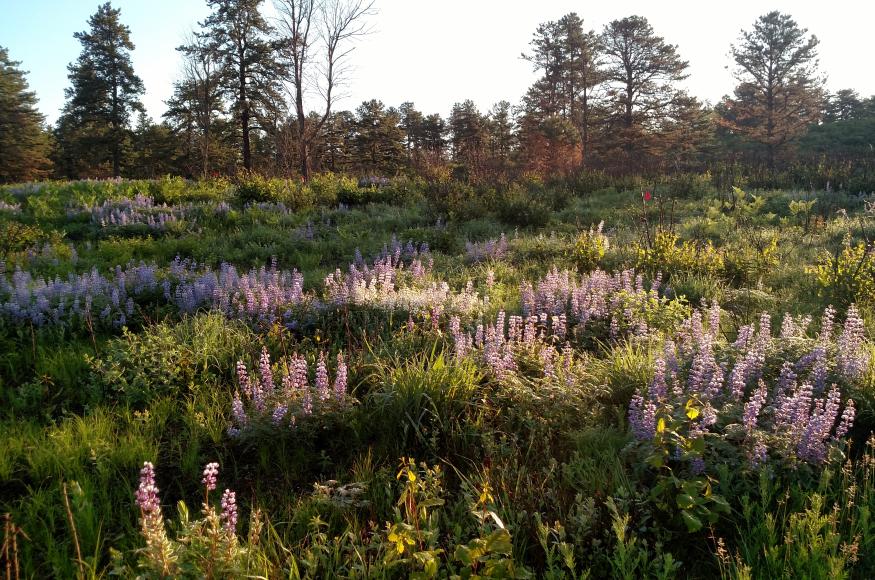
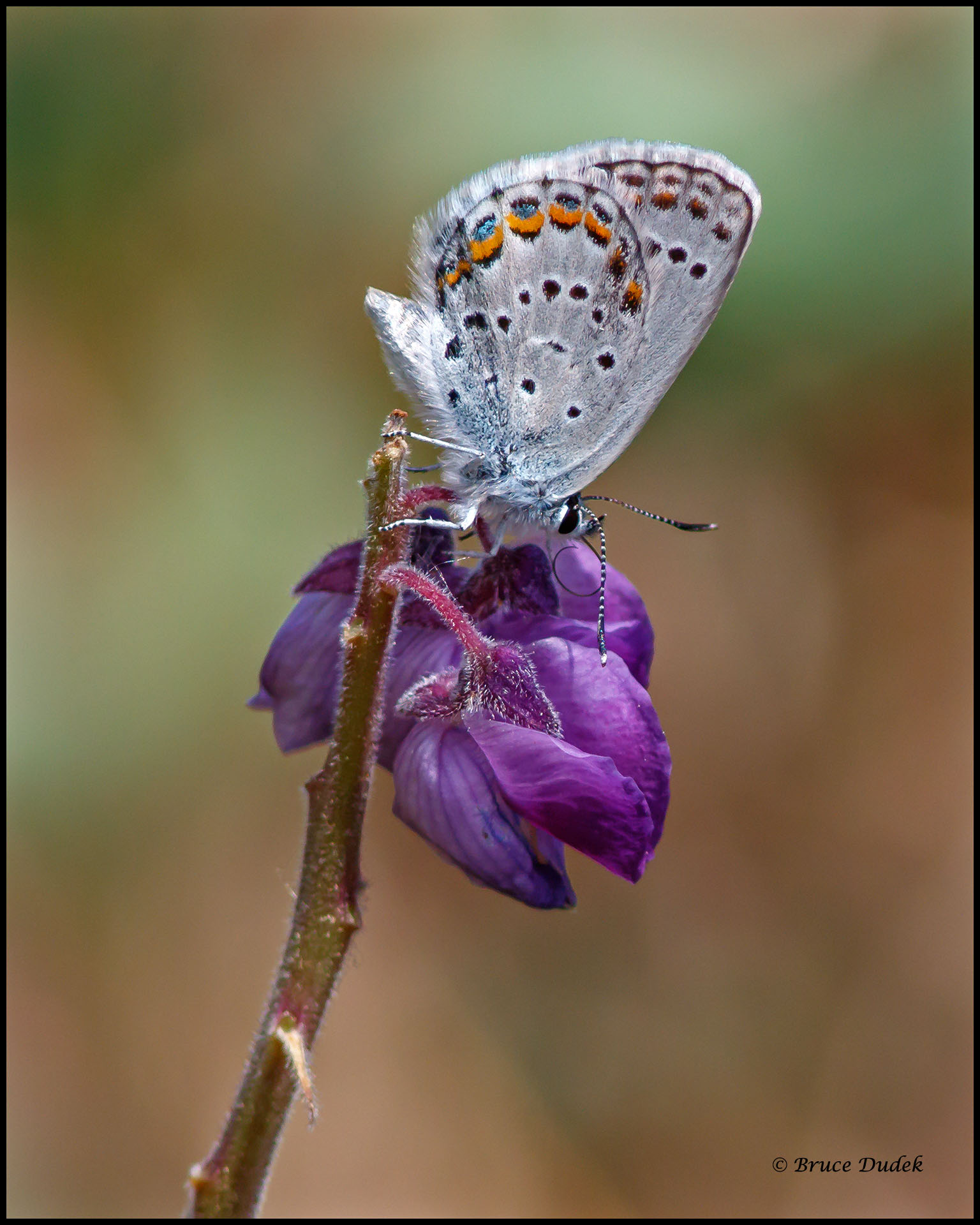
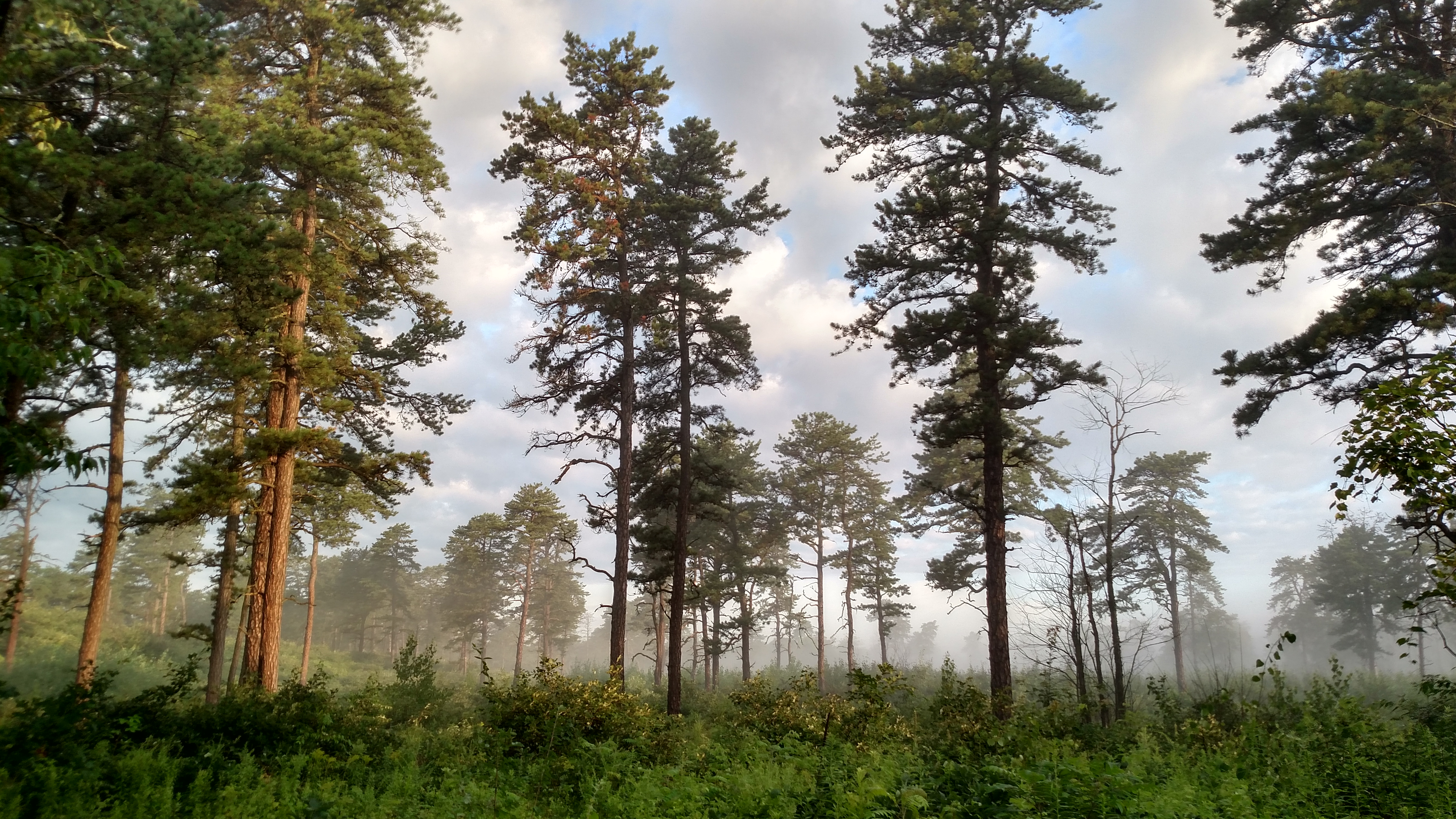
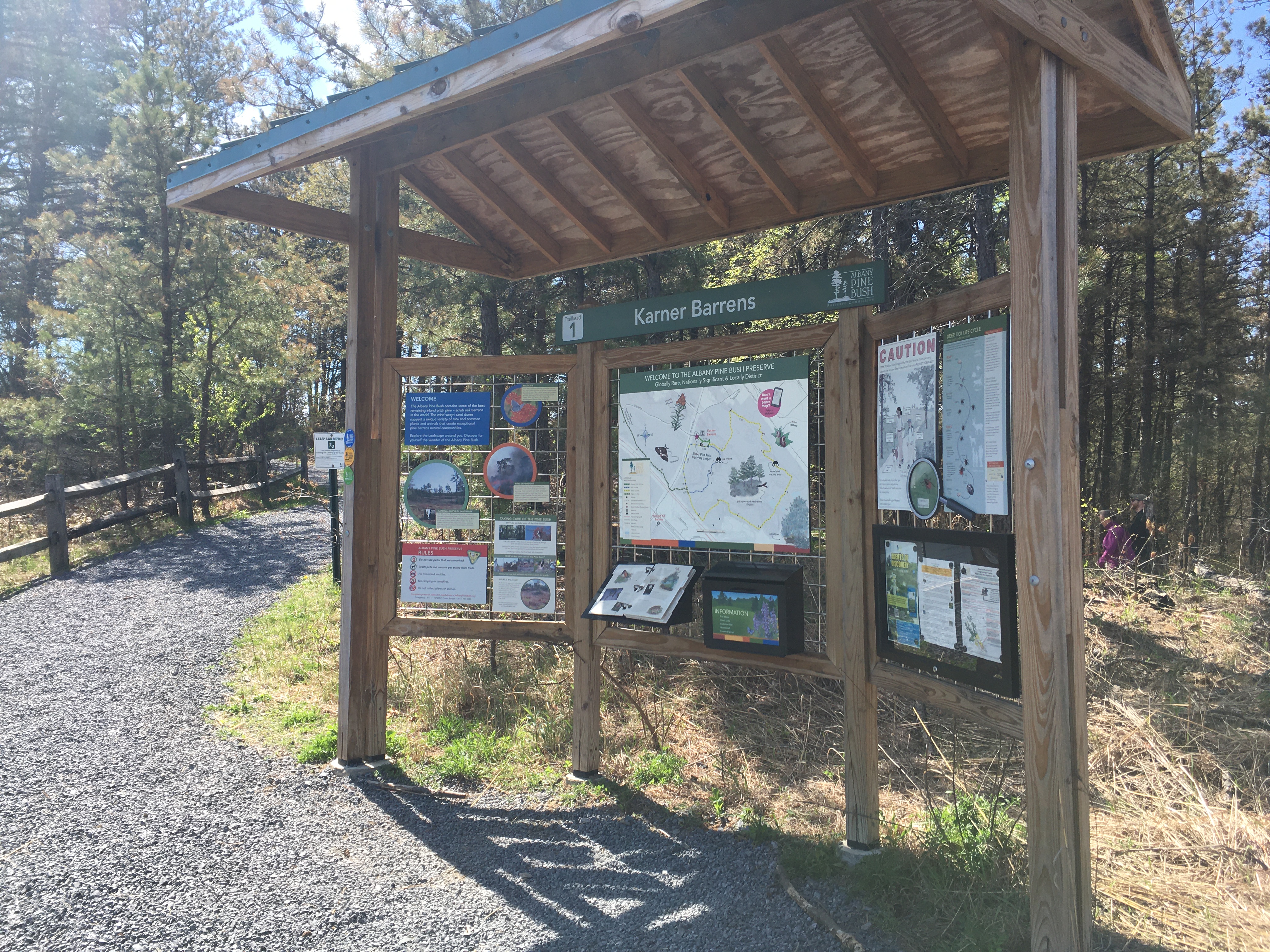
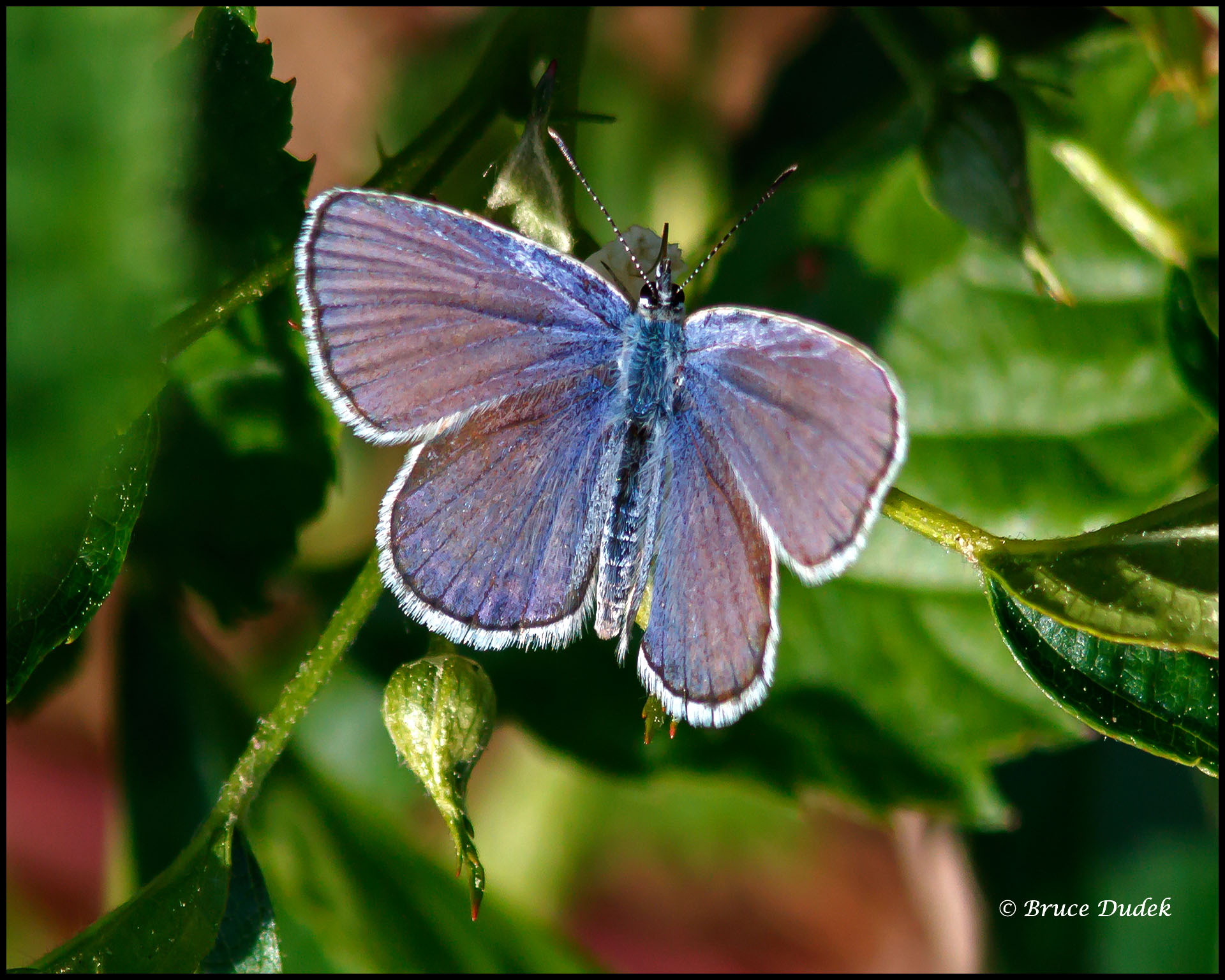
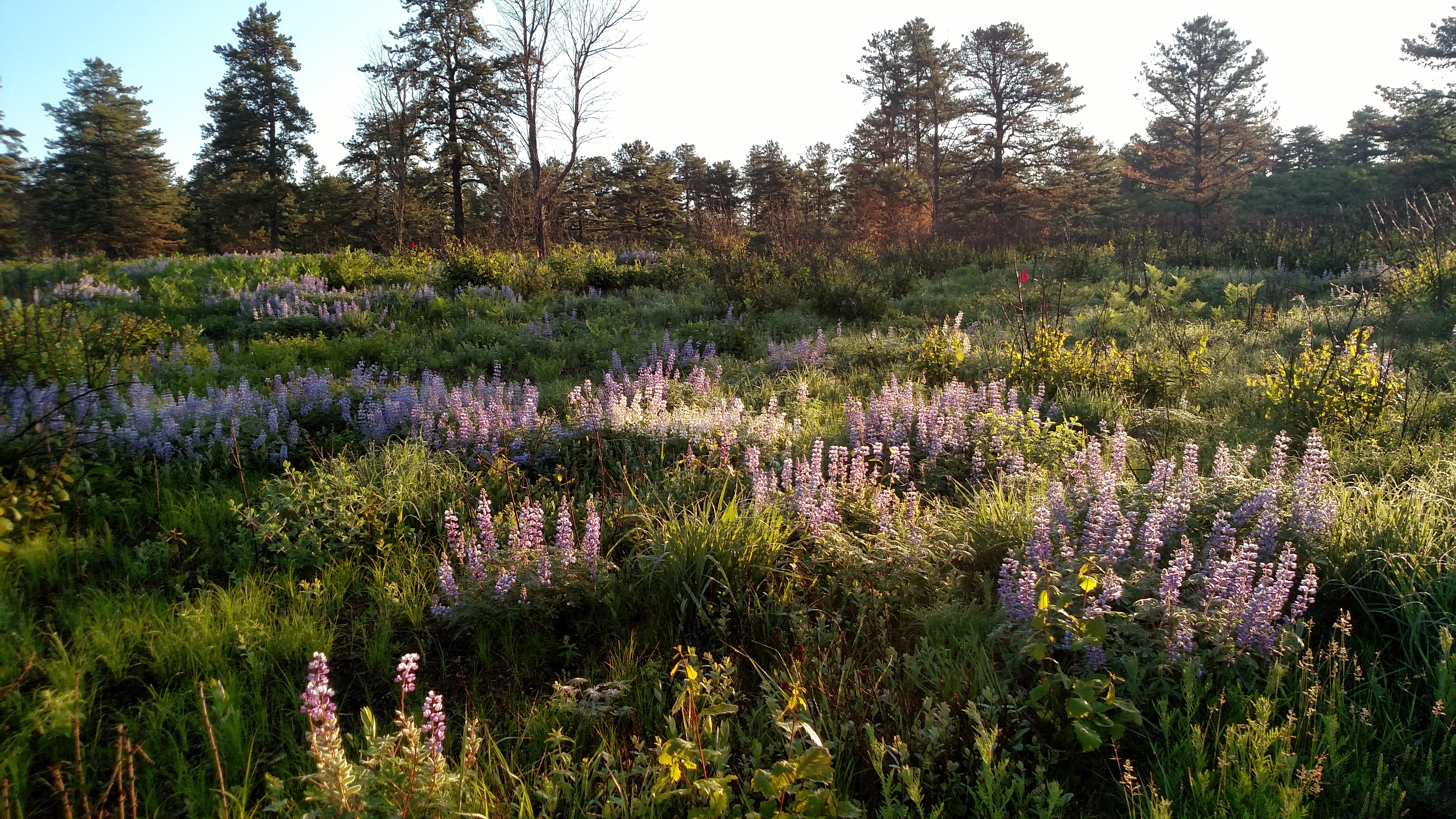
Located within the Mohican Nation homelands near the Mohawk and Hudson Rivers the preserve is home to diverse rare species like frosted elfin butterfly and Karner blue butterfly (Kbb). Ecosystems are diverse and include sandplain grassland, pitch pine-scrub oak barrens, and pitch pine oak forest. Massive sand dunes create a dry hilly landscape, while dune valleys support red maple swamp, shallow emergent marsh, and pine barrens vernal ponds. The on-site Discovery Center is dedicated to interpreting inland pine barrens ecology and management, and its 20 miles of trails offer visitors an experience rich in geological, natural and cultural history.
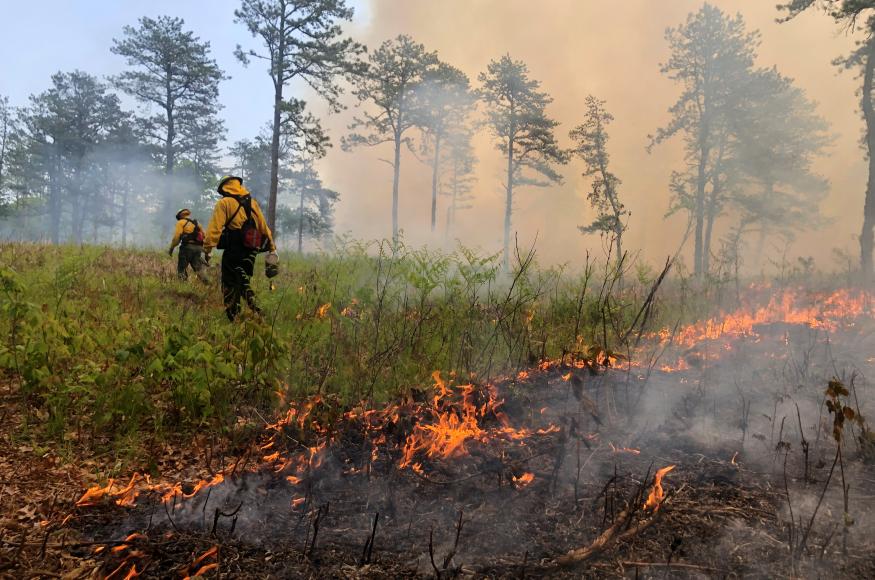
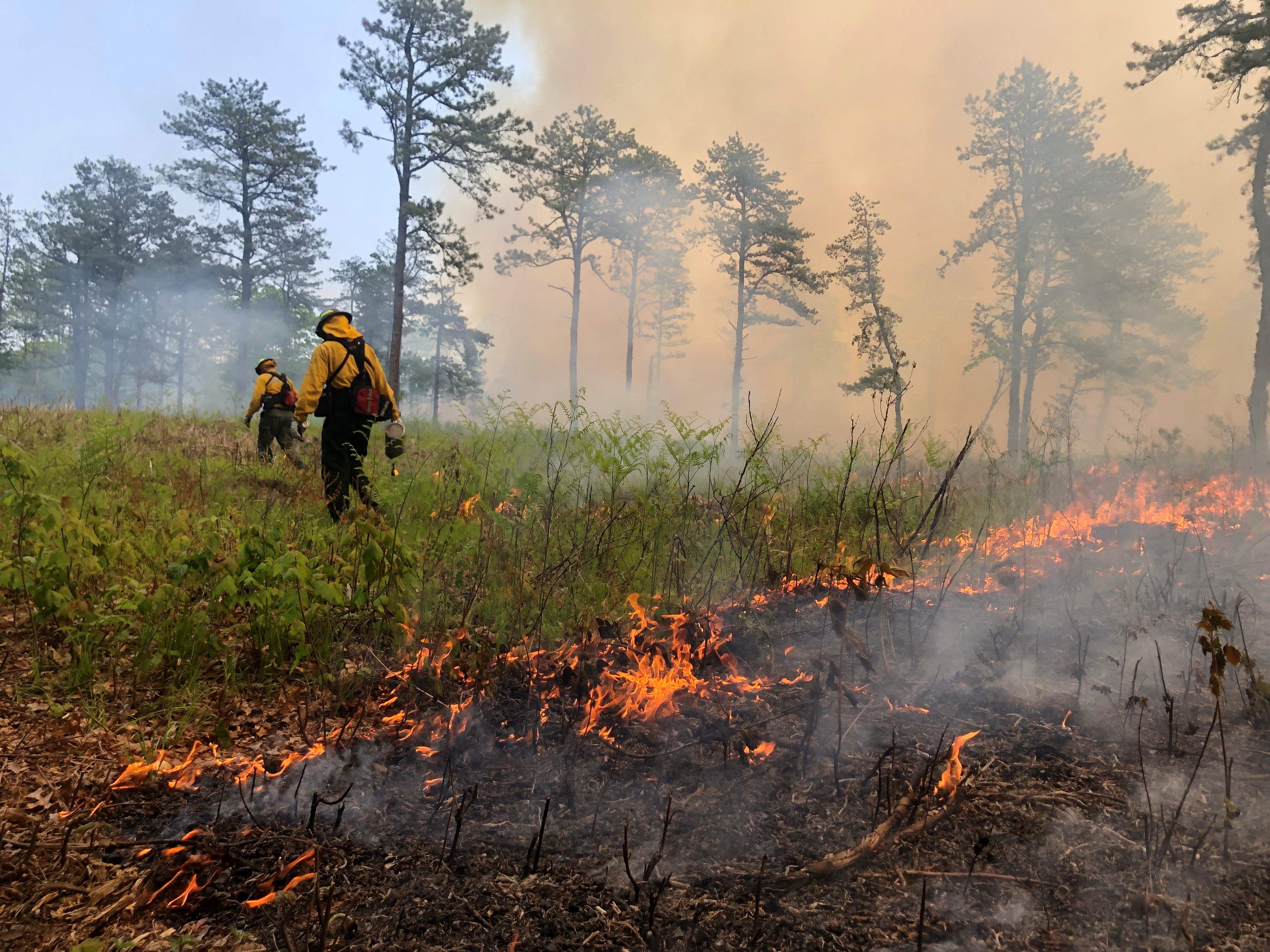
The preserve is managed to conserve rare species and reduce wildfire risk. A three-to-ten-year fire frequency is essential to maintaining barrens biodiversity. Since 1991 prescribed fire has been applied to replicate the fire regime originally maintained through Indigenous fire stewardship. Mechanical and chemical techniques are used to restore community structure and composition. Research and monitoring programs focus on plant and animal population dynamics to gauge management effects and ecosystem health.
The preserve is managed to conserve rare species and reduce wildfire risk. A three-to-ten-year fire frequency is essential to maintaining barrens biodiversity. Since 1991 prescribed fire has been applied to replicate the fire regime originally maintained through Indigenous fire stewardship. Mechanical and chemical techniques are used to restore community structure and composition. Research and monitoring programs focus on plant and animal population dynamics to gauge management effects and ecosystem health.
Management Goals
Goal: Restore pitch pine-scrub oak barrens overstory structure and composition to support rare species habitat and effective prescribed fire management.
Objectives -
- Reduce native and invasive forest cover to fewer than 50 trees/ha (20trees/ac) on ~500 acres by 2030. (5 years)
- Apply Rx fire to 10% of the preserve annually to maintain inland pitch pine-scrub oak barrens and rare species habitats, ensuring that no more than 30% of any Kbb subpopulation area is burned in a year, and that adjacent thirds are not burned sequentially. (10 years)
- Reduce overabundant shrubs/saplings to 30% cover on 500 acres to support native grasses and forbs. (10 years)
Goal: Maintain the Karner blue butterfly metapopulation above recovery thresholds and maintain viable populations of other fire-adapted wildlife including threatened species (frosted elfin butterfly) and other SGCN wildlife (e.g. eastern whip-poor-will, barrens buck moth, hognose snake, etc.).
Objectives -
- Maintain at least 7.600 adult Kbb in 4/5 years across 5-9 subpopulations encompassing at least 640 acres of suitable habitat as defined in federal, state and local recovery plans. Monitor and maintain viable populations of other rare wildlife as defined by NY State Wildlife Action Plan (SWAP). (20 years)
Goal: Prevent erosion of ancient paraglacial sand dunes, and reduce stream siltation.
Climate Change Impacts
- Temperatures in the region are projected to increase on average by 5.27 to 9.11 °F by the end of the century.
- The growing season is generally expected to increase by 21 days or more by the end of the century, due to fewer days with a minimum temperature below 32°F.
- Precipitation patterns will be altered, with projected increases in total annual precipitation distributed unevenly among colder months (more) and warmer months (less), with events becoming more intense and more frequent than historical.
- Climate conditions will increase wildfire risk by the end of the century.
- Moisture deficits are expected to become more common, resulting in increased mortality of young regeneration and mature trees in pine-oak barrens.
Challenges and Opportunities
Climate change will present challenges and opportunities for accomplishing the management objectives of this project, including:
Challenges
Extreme precipitation and temperature changes may challenge our ability to apply prescribed fire where and when it is needed to maintain desired fire effects and achieve landscape-scale heterogeneity.
Higher woody plant productivity in the understory will exacerbate invasive species and reduce grasses and wildflowers essential to rare species viability.
Increasingly frequent extreme precipitation events may worsen erosion of sand dune slopes exposed during ecological forestry and on recreational trails.
Opportunities
Longer growing season and shorter winters may expand prescribed (Rx) fire opportunities and increase annual burned area, which would help maintain lower fuel loads while increasing the feasibility and effectiveness of Rx fire.
More Rx opportunities across seasons will improve landscape-scale habitat heterogeneity and the resilience of many rare wildlife species (insects, birds, herps) that depend on structurally complicated, open-canopied woodlands and savannah.
Increased frequency of Rx fire may reduce invasive species and enhance habitat for fire-sensitive native species.
More Rx fire there will increase the visibility of habitat management and its effects to sustain rare wildlife.
Increased wildlife-related recreational opportunities for hunting and wildlife watching across the preserve.
Adaptation Actions
Project participants used the Adaptation Workbook to develop several adaptation actions for this project, including:
Area/Topic
Approach
Tactics
Wildlife Conservation
Wildlife Strategy 5: Maintain a sustainable population size by managing reproduction, survival, and dispersal.
Wildlife Strategy 9: Adjust management of food, water, and cover to align with expected future conditions.
Wildlife Strategy 9: Adjust management of food, water, and cover to align with expected future conditions.
Exceed minimal requirements for population size and the extent, acceptable heterogeneity, and connectivity of suitable habitat using fire, mechanical (cut, mow, plant) and chemical tools.
Use captive breeding/rearing programs to accelerate the colonization of newly restored suitable habitat for rare butterfly species.
Restore/create/maintain suitable habitat (larval host, nectar, structure) for rare insect species across multiple aspects and slope position to take advantage of microclimate variability (e.g. North dune slopes and frost pockets) across the preserve.
Prescribed fire
Fire Strategy 1: Sustain fire as a fundamental ecological process.
Fire Strategy 2: Reduce biotic and abiotic stressors affecting fire regimes.
Fire Strategy 3: Reduce the risk of unacceptable fire.
Fire Strategy 5: Maintain and enhance structural, community, and species diversity using fire and fuel treatments.
Fire Strategy 7: Facilitate ecosystem adaptation to expected future climate and fire regimes.
Fire Strategy 9: Promote organizational and operational flexibility.
Fire Strategy 10: Promote fire-adapted human communities.
Fire Strategy 2: Reduce biotic and abiotic stressors affecting fire regimes.
Fire Strategy 3: Reduce the risk of unacceptable fire.
Fire Strategy 5: Maintain and enhance structural, community, and species diversity using fire and fuel treatments.
Fire Strategy 7: Facilitate ecosystem adaptation to expected future climate and fire regimes.
Fire Strategy 9: Promote organizational and operational flexibility.
Fire Strategy 10: Promote fire-adapted human communities.
Apply Rx fire safely and effectively to maintain the ability to use Rx fire in the fragmented urban landscape.
Remove and prevent establishment of non-native invasive species and excessive fuel loads that facilitate excessively low or high fire intensity and severity that is outside the acceptable range of variability.
Use mechanical and chemical pretreatments, and high frequency fire, to reduce the risk of unacceptable fire and promote diversity of inland pine barrens successional communities (grassland, barrens, forest).
Use all available in prescription burn windows across seasons to align existing vegetation communities and fire-induced plant phenology flexibility with changing climate and fire regimes.
Use the Discovery Center and guided education programming to promote awareness of anticipated effects of climate change on fire regimes and the conservation of biodiversity that depends on them.
Trail-based Recreation
Recreation Strategy 2. Enhance measures to prevent ecological damage from variable precipitation
Recreation Strategy 5. Manage recreational opportunities to address impacts of expected conditions
Recreation Strategy 6. Alter recreational opportunities to accommodate expected conditions
Recreation Strategy 5. Manage recreational opportunities to address impacts of expected conditions
Recreation Strategy 6. Alter recreational opportunities to accommodate expected conditions
Increase frequency of erosion checks and repairs and improve measures to minimize damage from extreme precipitation events.
Relocate existing infrastructure and recreational opportunities to areas with lower risk of climate-exacerbated damage.
Remove or decommission erosion-prone trails.
Integrate Long-term siting and climate considerations into trail management planning.
Monitoring
Project planners identified several monitoring items that could help inform future management, including:
* Annual acres burned (per month) - For 10% of upland preserve areas, GPS and track all burns, include dates to track seasonal variability.
* Composite Burn Index (CBI) - Measure fire severity using established protocol on all burned sites including: pre- and post-fire photographs, heat sensitive paint, duff pins, char height, scorch height, exposed mineral soil, and % top-kill of shrubs and saplings.
* Distribution and abundance of Karner blue (Kbb) butterfly and frosted elfin butterfly - Sample habitat and subpopulation area at 20 sites across the preserve to ensure the population supports at least 5 interconnected subpopulations and 7,600 Kbb in either brood (4-5yrs) and not less than 3,000 in the off year.
* Invasive Species - Survey and pre-treat acres selected for prescribed fire and revisit treated sites one month post fire and treat resprouts. Observe presence (+/-) and or abundance (% cover).
* Soil erosion in trails, streams or restoration areas - Evaluate sites annually, record erosion with photographs and GPS.
* Annual acres burned (per month) - For 10% of upland preserve areas, GPS and track all burns, include dates to track seasonal variability.
* Composite Burn Index (CBI) - Measure fire severity using established protocol on all burned sites including: pre- and post-fire photographs, heat sensitive paint, duff pins, char height, scorch height, exposed mineral soil, and % top-kill of shrubs and saplings.
* Distribution and abundance of Karner blue (Kbb) butterfly and frosted elfin butterfly - Sample habitat and subpopulation area at 20 sites across the preserve to ensure the population supports at least 5 interconnected subpopulations and 7,600 Kbb in either brood (4-5yrs) and not less than 3,000 in the off year.
* Invasive Species - Survey and pre-treat acres selected for prescribed fire and revisit treated sites one month post fire and treat resprouts. Observe presence (+/-) and or abundance (% cover).
* Soil erosion in trails, streams or restoration areas - Evaluate sites annually, record erosion with photographs and GPS.
Keywords
Fire and fuels
Recreation
Wildlife habitat