




Project Area

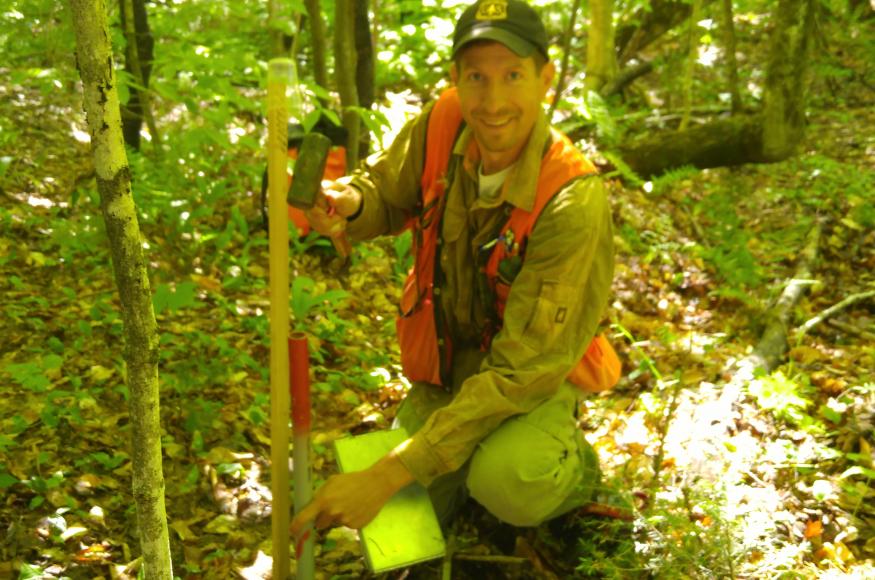
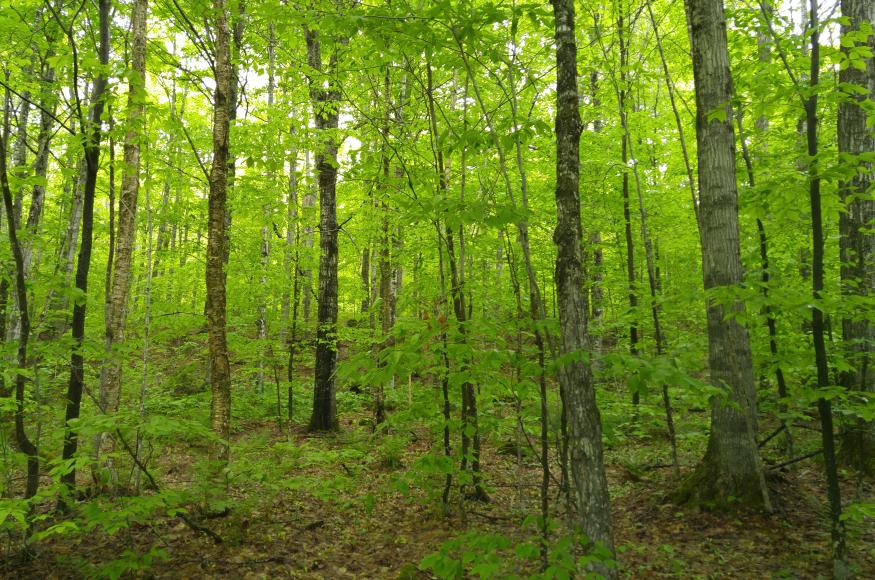
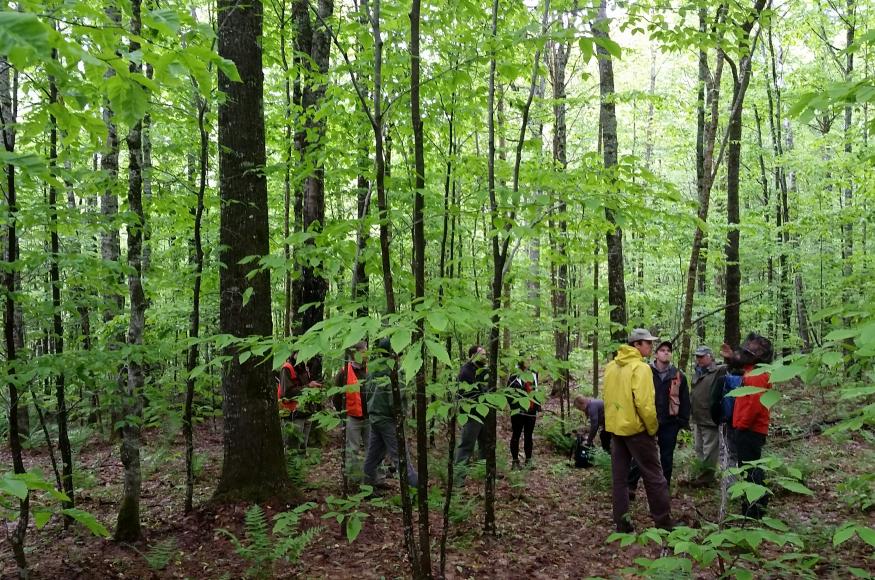
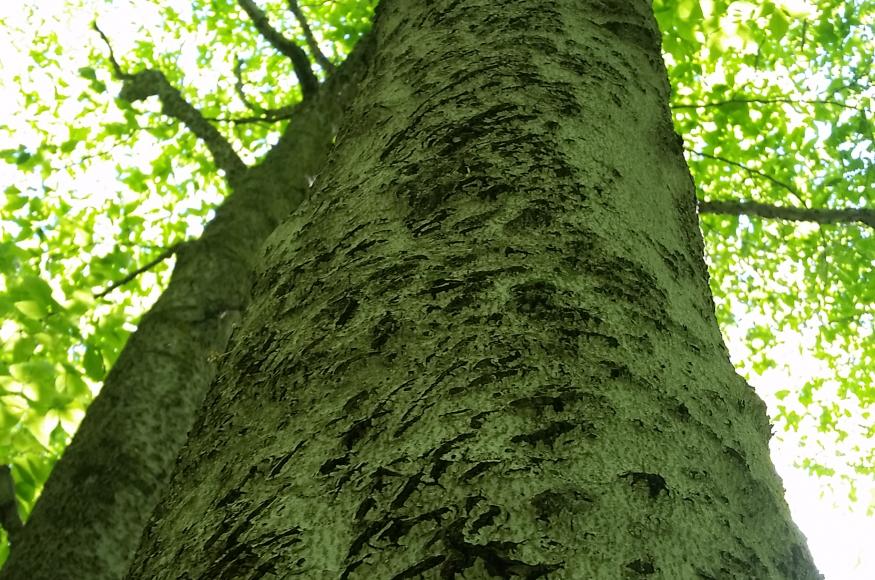
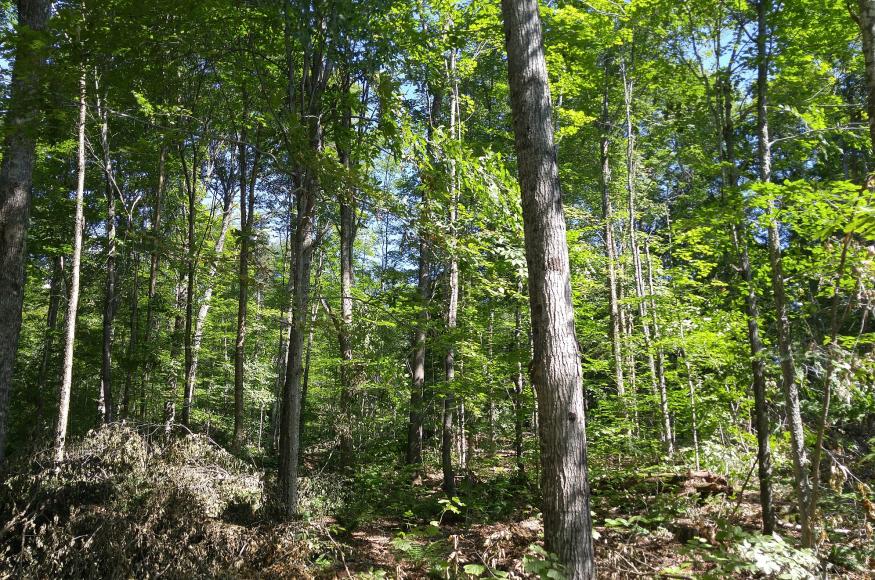
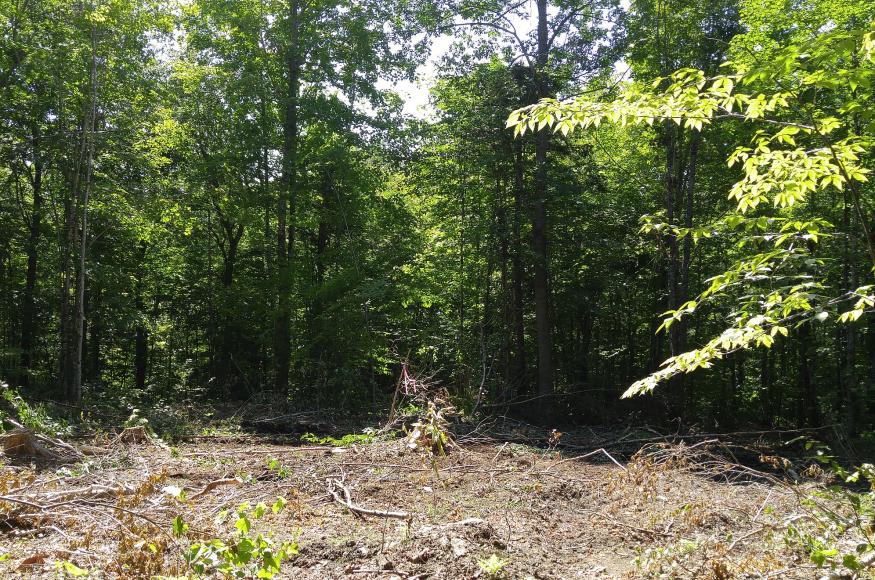
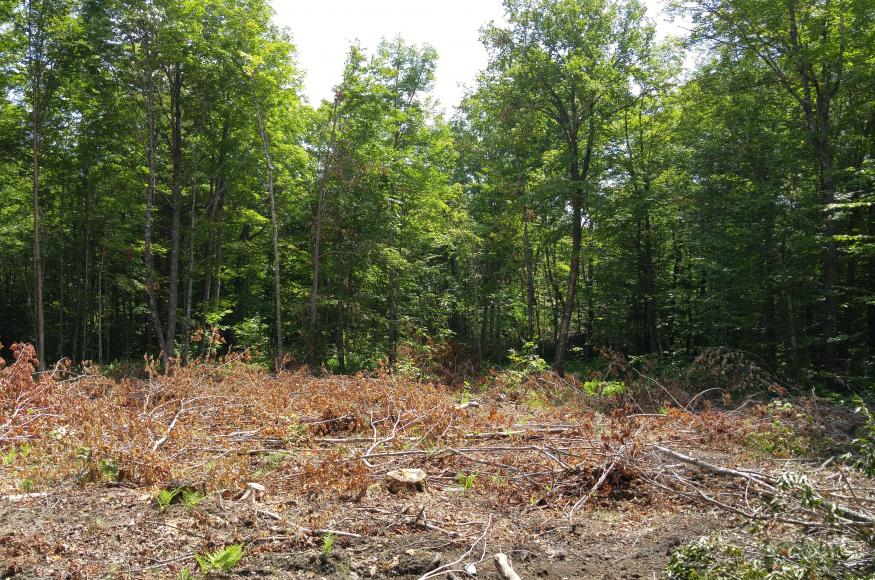
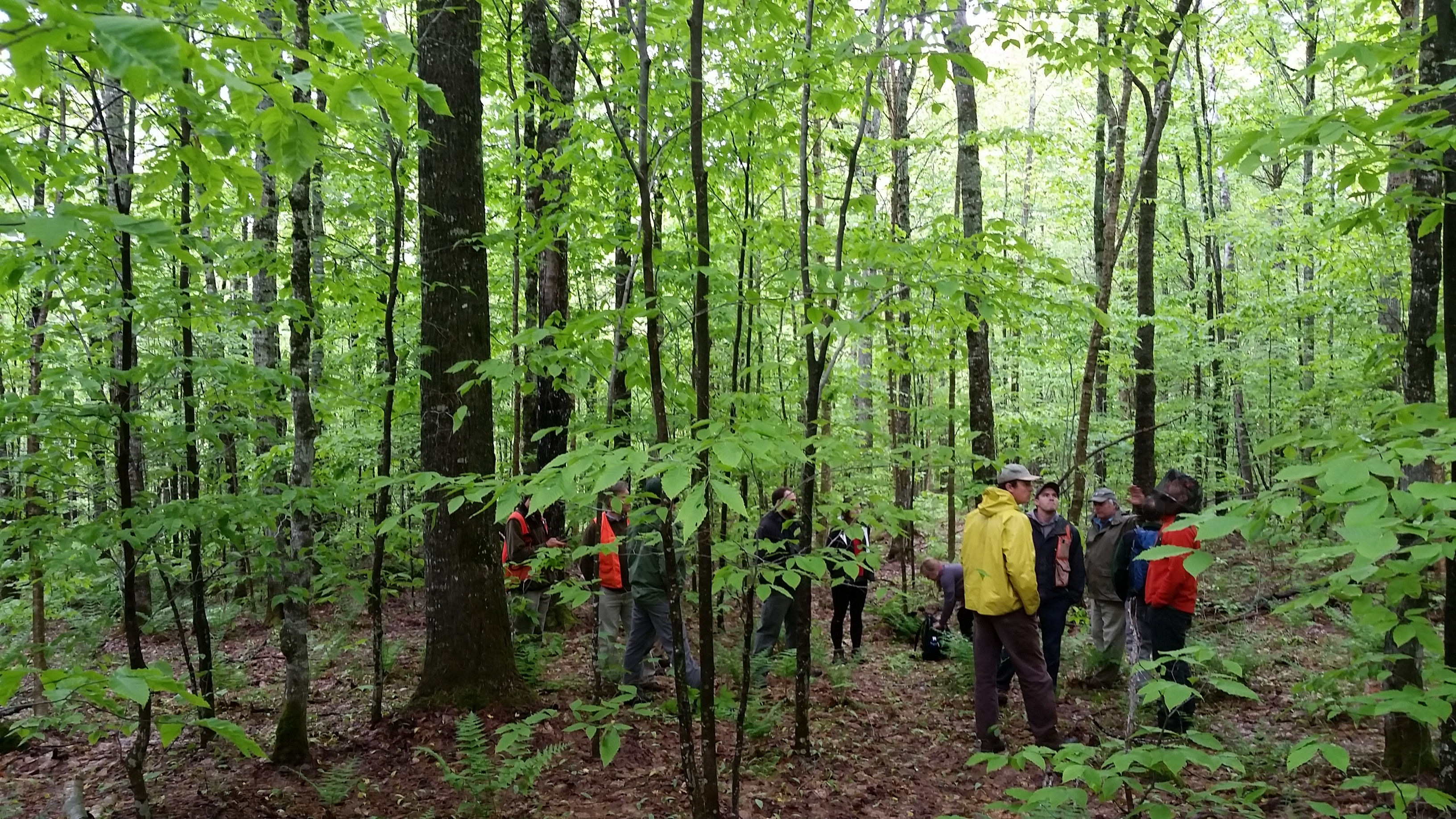
 The Second College Grant is 27,000 acres of forests, rivers, and wetlands in the Northern Forest region of New Hampshire and has been owned and managed by Dartmouth College since 1797. The forest is predominantly rich northern hardwoods dominated by sugar maple, American beech and yellow birch with lesser components of red maple, red spruce, and other species. “The Grant” has long been utilized for timber, but is recognized as a model forest used for wilderness recreation, timber harvesting, and more recently, for forest and natural resource research. The ASCC project implemented at The Grant is one of 4 study sites across the USA using a standardized approach to treatment design and general principles. The installation on the Second College Grant is the second project site to be implemented.
Management Goals
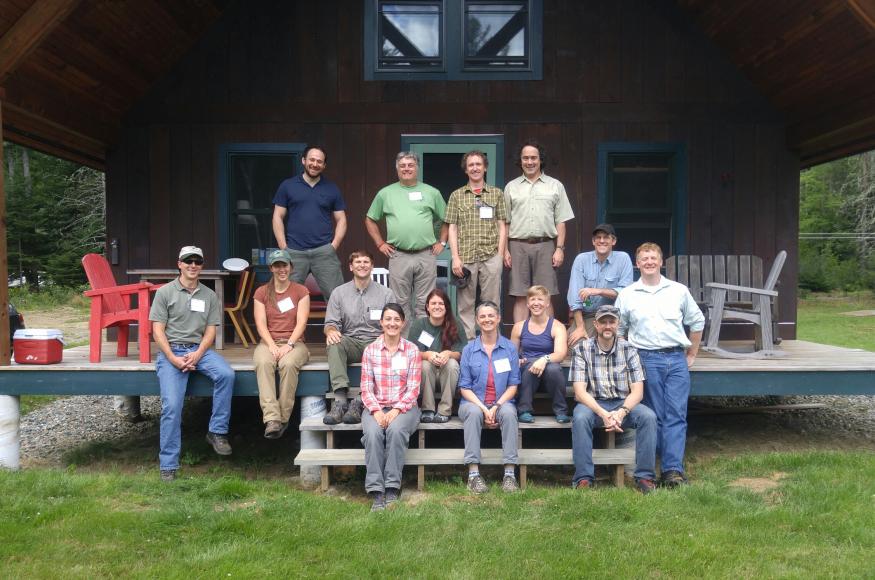
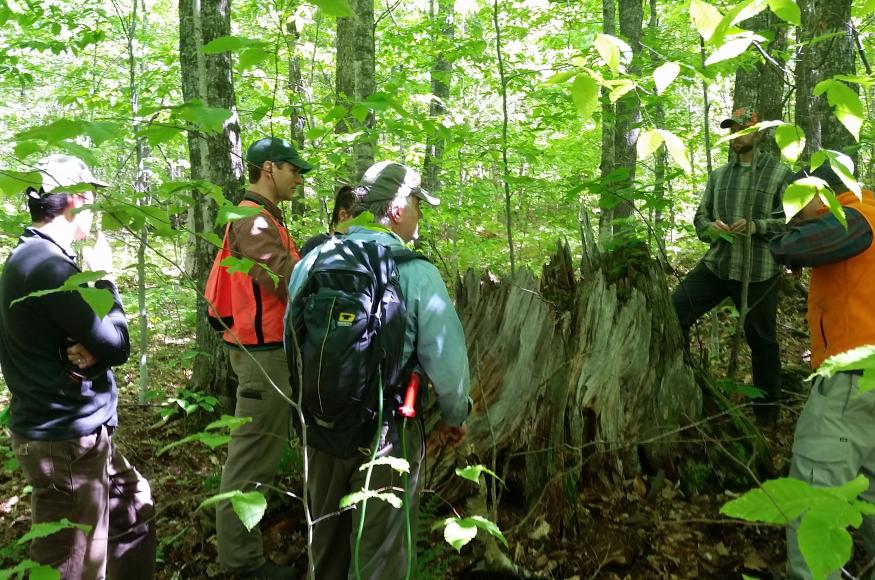
A team of natural resource specialists and researchers familiar with the Second College Grant convened for a three-day workshop in the summer of 2016 to develop the study design for the ASCC project site. The team developed a set of Desired Future Condition statements, Objectives, and Tactics for each major climate adaptation trajectory (resistance, resilience, transition). These three trajectories are briefly summarized below:
Resistance:
- Encourage a multi-aged / size structure and maintain quality across all size classes
- Maintain hydrological cycle and erosion
- Stable carbon pools with accreting living biomass carbon
- Maintain/increase vigor and quality of residual trees while maintaining current productivity levels consistent with type
Resilience:
- Multiple combinations of species composition and structure present (e.g., multiple pathways to recovery from disturbance)
- High overall tree species and functional diversity with increased component of local species adapted to future climate conditions/disturbance compared to current condition
- Multiple age classes present
- Increased amount of biological legacies and dead wood
- Same growth/productivity as Resistance treatment, but allowing for some deviation/oscillation
- High production of beech hard mast for wildlife
Transition:
- Increased dominance of species adapted to future climate change currently on site plus increased proportion of planted species (≥ 20% composition) not currently on site that are better-adapted to future climate change
- Increased amount of biological legacies and dead wood
- Increased diversity of tree functional traits
Climate Change Impacts
Challenges and Opportunities
Challenges
Opportunities
Adaptation Actions
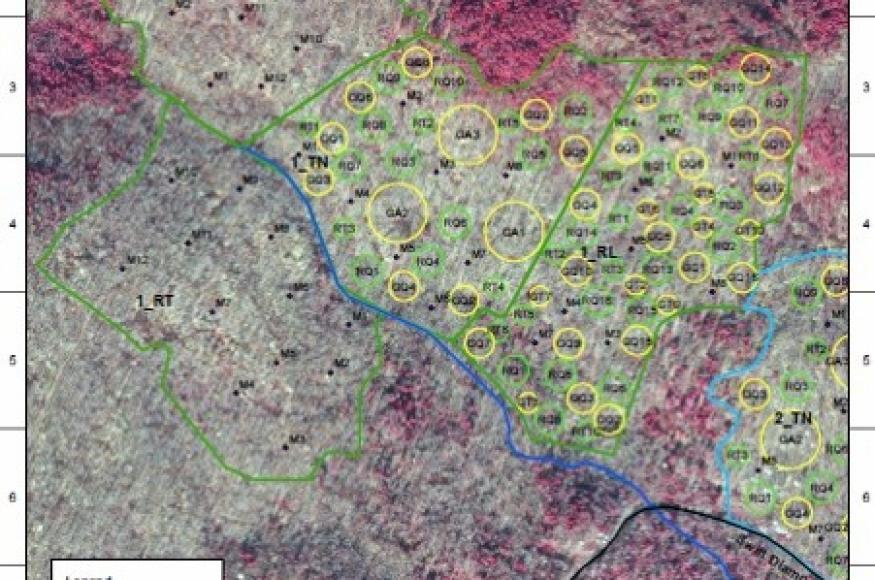
The ASCC project was designed to explicitly test three different adaptation options: resistance, resilience, and transition. A detailed silvicultural prescription was designed for each adaptation option, which was replicated several times across the study site. Detailed silvicultural prescriptions can be found in the Adaptation Workbook. The study site also includes several no-action "control" stands for comparison. Some of the adaptation tactics employed in this project include:
5.1. Promote diverse age classes.
5.3. Retain biological legacies.
5.2. Maintain and restore diversity of native species.
9.7. Introduce species that are expected to be adapted to future conditions.