
Project Area

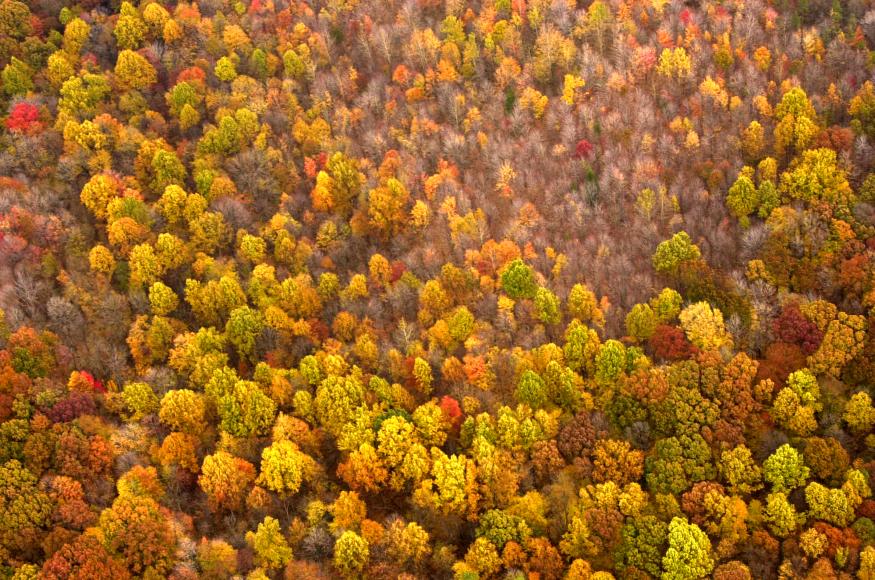
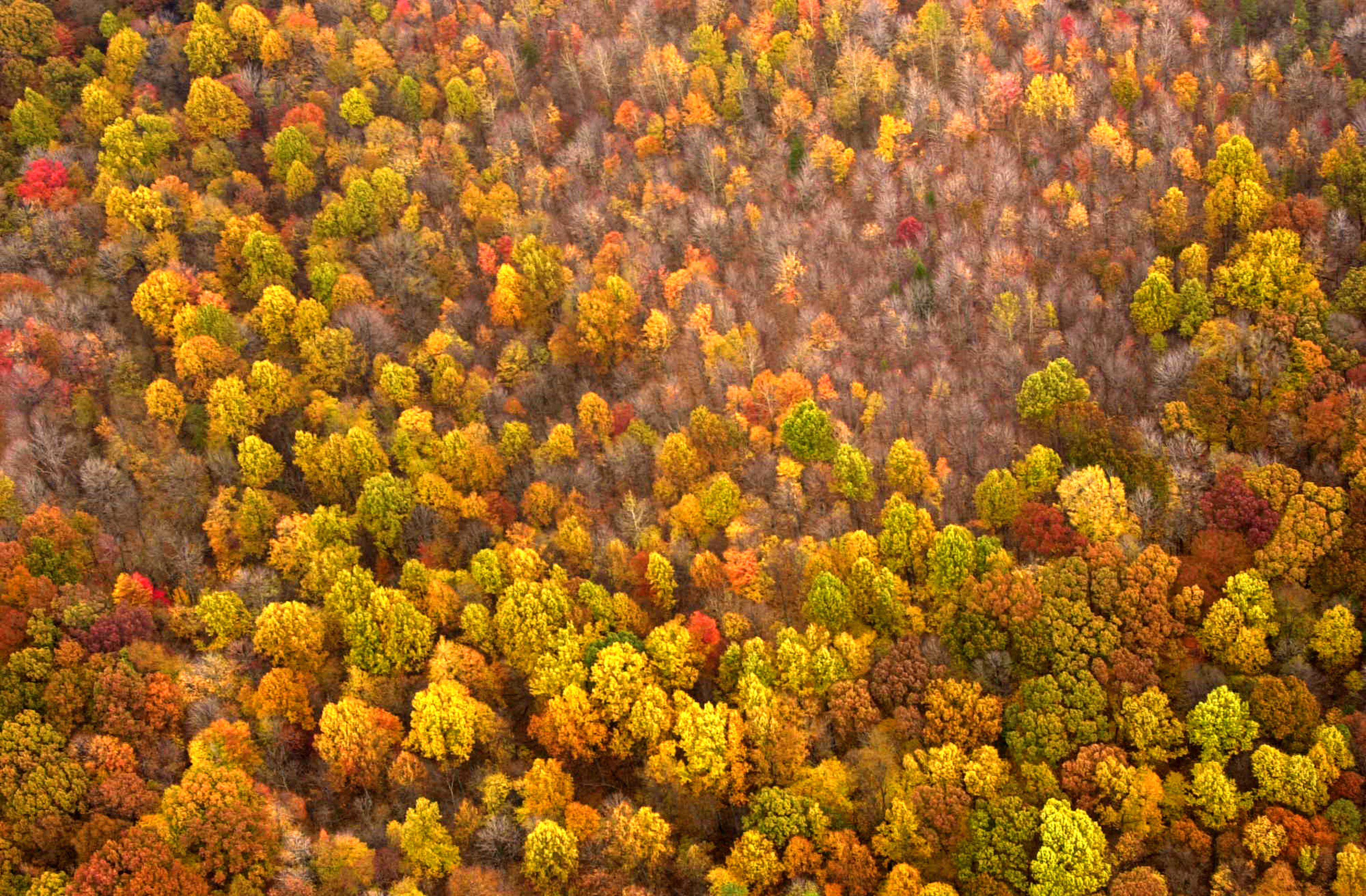
 Across the southern Ohio landscape, oak-hickory is the dominant forest type on not only State-owned lands, but on adjacent and highly interspersed private and federal lands as well. This project deliberately considered the expected effects of climate change on oak-hickory ecosystems, and identified potential climate-related management challenges and opportunities.
The Hobey Hollow project area covers approximately 243 acres within the Shawnee State Forest, Scioto County, Ohio. The forest is predominantly oak-hickory and managed sustainably for a wide variety of benefits and services.
Management Goals
Benefits and services for which the forest is managed include early successional wildlife habitat, forest health, oak-hickory restoration, timber production, and public recreation.
Climate Change Impacts
In October, 2015, staff from the Ohio Division of Forestry worked with NIACS and the Wayne National Forest to consider broad climate trends summarized in the Central Appalachians Forest Ecosystem Vulnerability Assessment (Butler et al. 2015), and identify specific climate change impacts that are relevant to the site conditions within the project area:
Warmer temperatures of 3 to 8 degrees F throughout the year
Increased variability in precipitation and soil moisture levels can result in more surface runoff, soil erosion, or vehicle damage to soils in wet conditions
More frequent extreme weather events (wind, ice, rain, storms) can create more canopy gaps, but could also create more hazard trees on edges or near trails
Forest impact models predict positive climate effects on many oak and hickory species: pignut hickory, scarlet oak, bitternut hickory, black oak, blackjack oak, chinkapin oak, mockernut hickory, pin oak, post oak, shagbark hickory, shortleaf pine, Virgini
Mesic species like red maple and sugar maple are expected to become less competitive
Woody and herbaceous invasive species are expected to become more abundant and competitive with native species
Droughty conditions are likely to result in higher susceptibility of oaks to certain pests and pathogens, collectively referred to as oak decline
Reduced soil moisture in summer and fall are expected to shift burn windows for prescribed fire, increase dry fuels, and increase fire severity
Adaptation Actions
DNR staff were able to identify several potential actions that could help oak-hickory stands adapt to changing conditions, many of which are already standard practice. Examples include:
Area/Topic
Approach
Tactics
Fire
1.5. Restore or maintain fire in fire-adapted ecosystems.
3.2. Establish fuelbreaks to slow the spread of catastrophic fire.
3.2. Establish fuelbreaks to slow the spread of catastrophic fire.
Perform mid-story removal and thin from below to reduce fuel and increase oak reproduction success
Maintain a consistent prescribed burn schedule to reduce fuels and enhance oak regeneration
Implement and maintain fire lines through prescribed burning, focusing on areas of concern
Hydrology
Increase culvert sizes along roads and trails
Increase water diversion and erosion controls to accommodate extreme rain events and higher maximum flow
Diversity
5.1. Promote diverse age classes.
5.2. Maintain and restore diversity of native species.
9.2. Establish or encourage new mixes of native species.
5.2. Maintain and restore diversity of native species.
9.2. Establish or encourage new mixes of native species.
Use shelterwood cut to create to create open conditions for oak and hickory seedlings to advance while creating a variety of age classes and vertical structure
Use mechanical or fire treatments to remove maple regeneration
Promote or allow the expansion of southern red oak and black oak, which occur just south of the project area and are expected to migrate northward
Forest Health
2.1. Maintain or improve the ability of forests to resist pests and pathogens.
2.2. Prevent the introduction and establishment of invasive plant species and remove existing invasive species.
2.2. Prevent the introduction and establishment of invasive plant species and remove existing invasive species.
Perform thinnings to promote desirable trees, maintain healthy trees, and avoid overstocking
Continuously monitor areas following canopy disturbances to identify new establishment of invasive species
Learn More
Keywords
Oak
Recreation
Soil
Water resources