
Project Area

 This property is a small section of state-owned land adjacent to Highway 73 and south of the Little Fork River in northern Minnesota. The low-lying areas within this property have been classified as a Northern Poor Conifer Swamp, an acid peatland community defined by low-productivity black spruce and tamarack, peat soils, and low pH. There are two poor-quality upland islands with a mix of aspen, jack pine, balsam fir, and bur oak.
Management Goals

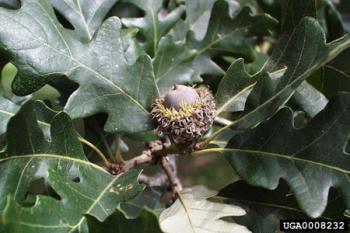
The goal for the upland islands on this property are to improve wildlife habitat and timber quality by regenerating the stand to a higher-quality mesic hardwoods community with a greater component of bur oak. For the lowland portion of the property, the goal is to regenerate the lowland conifer community through a clearcut with reserves.
Climate Change Impacts
For this project, the most important anticipated climate change impacts include:
Acid peatland communities are ranked as the forest type most vulnerable to climate change in northern Minnesota.
The adjacent roads have likely already altered the hydrology of the stand, and future precipitation shifts may exacerbate this effect.
Warmer, drier conditions may cause peat soils to degrade and decompose.
Challenges and Opportunities
Climate change will present challenges and opportunities for accomplishing the management objectives of this project, including:
Challenges
There is already a limited operation season in this stand, and milder, warmer winters may further restrict the window of opportunity.
Warmer conditions may result in more damage from insect pests like spruce budworm and tamarack sawfly.
Opportunities
Slightly drier conditions may allow species like bur oak and white pine to succeed on this property.
The property may be able to grow better-quality hardwoods in the future.
Adaptation Actions
The DNR forester responsible for preparing this timber sale used the Adaptation Workbook to develop several adaptation actions for this project, including:
Area/Topic
Approach
Tactics
Lowland conifers
Operations are restricted to frozen ground conditions.
Clearcutting black spruce and tamarack will stimulate regeneration and create a young age class on the landscape.
A central portion of the bog will be reserved to maintain mature conifer habitat.
Upland hardwoods
Aspen, jack pine, and balsam fir will be removed from the upland portions of the site. All merchantable stems will be harvested.
Bur oak will be reserved in the upland areas to serve as a seed source.
A follow-up planting of bur oak or white pine may be scheduled after harvest, depending on regeneration surveys.
Monitoring
Several monitoring items could help inform future management on this property, including:
Regeneration success and species diversity after harvests
Presence of dwarf mistletoe, larch beetle, or other forest health issues
Nesting bird counts and martin/fisher surveys to estimate wildlife use
Project Documents
TAR_226220.pdf
(110.71 KB)
Learn More
Keywords
Lowland/ wetland conifers
Oak
Upland conifers