


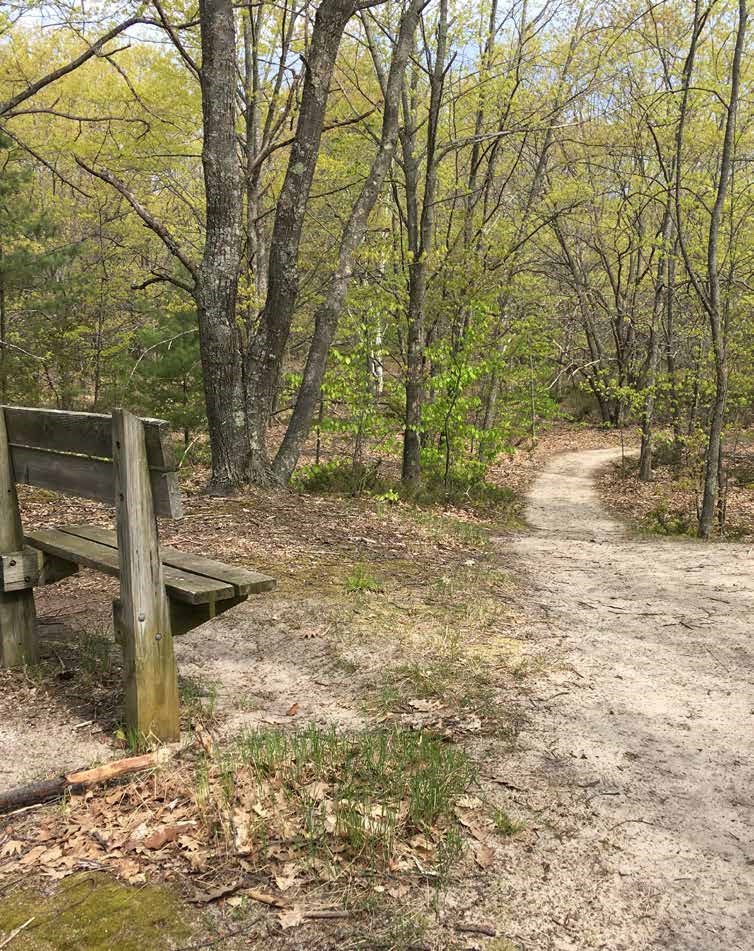

Project Area
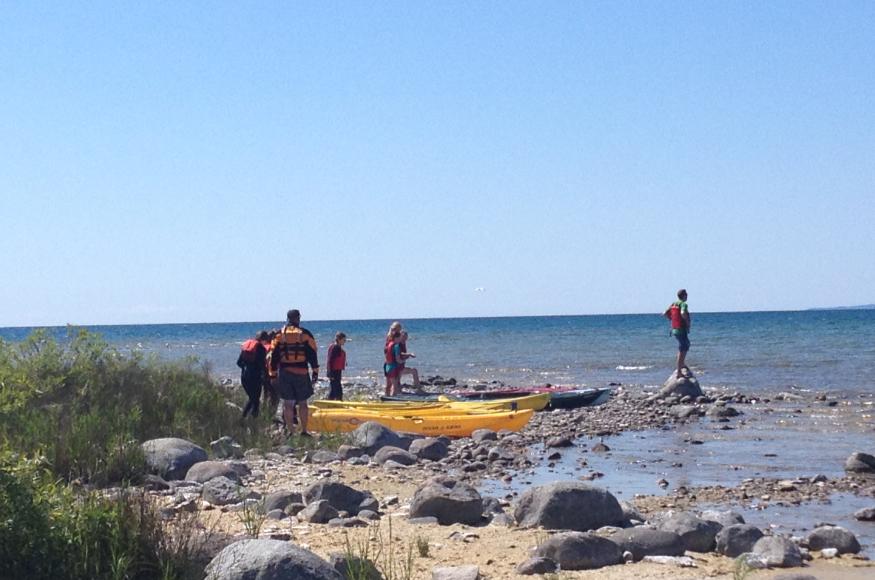
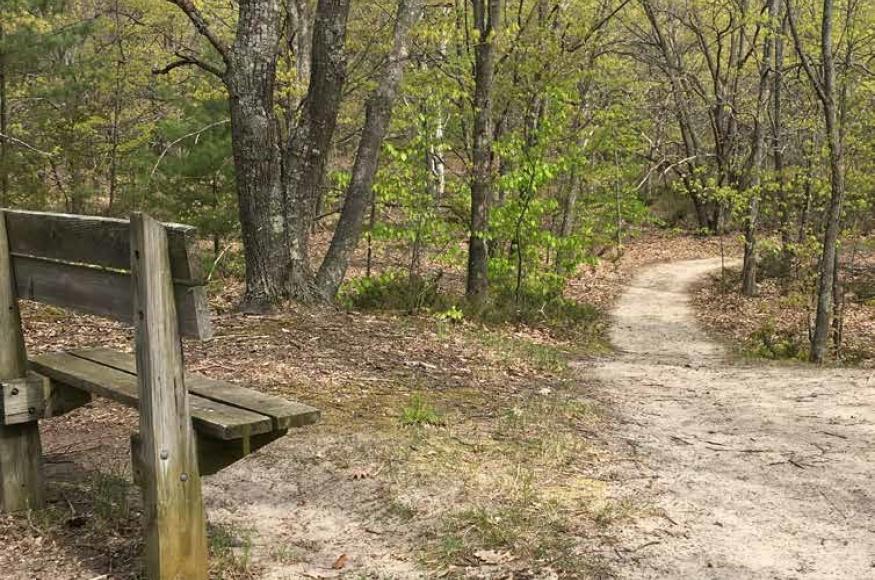
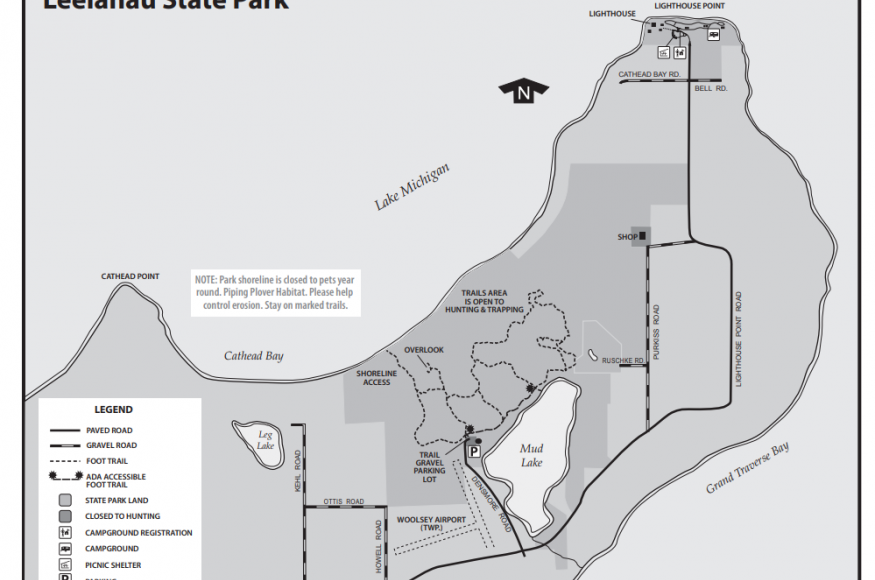
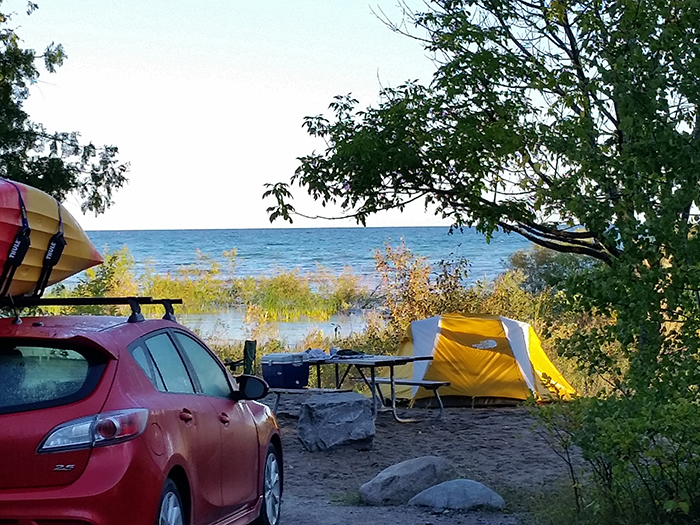
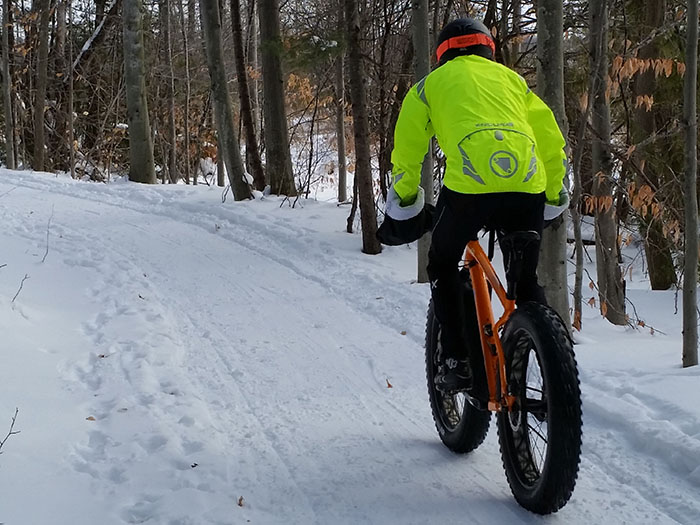
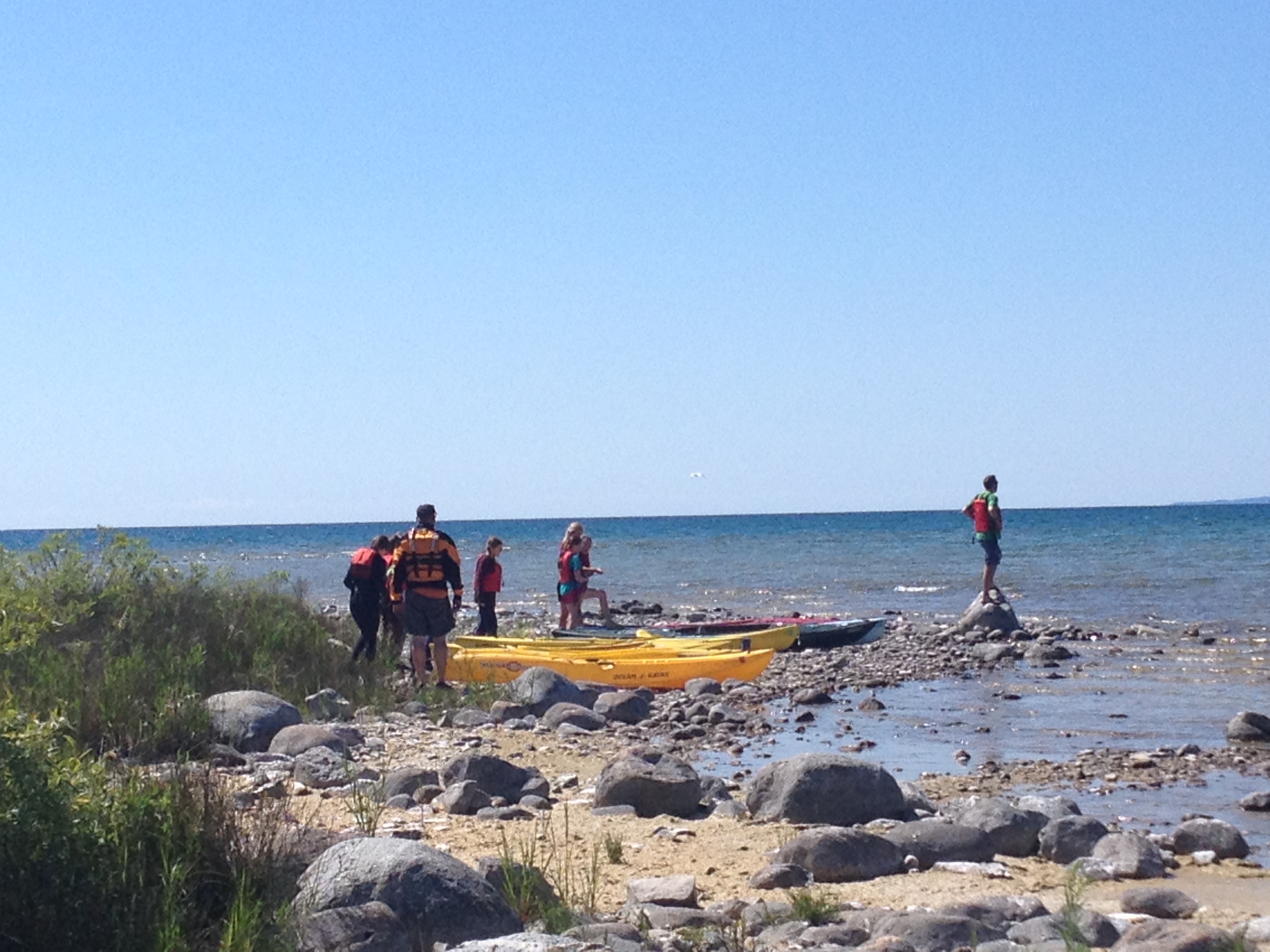
The Michigan DNR Parks and Recreation Division manages Leelanau State Park on the shores of Lake Michigan. The park consists of two management units: a historic lighthouse complex, rustic campground, and day use area in the north, and a trail system in the south. The units are not contiguous, connected only by county road. The campground features 51 sites, 3 mini-cabins, vault toilets, and access to drinking water. About half of the sites are located right on the lakeshore with others in the woods. Vegetation consists of northern hardwoods and an exemplary boreal forest with a narrow strip of limestone cobble shore. The trail system features 8.5 miles of primarily natural surface hiking trails in the southern unit, with scenic overlooks. An additional 5 miles of trails are groomed seasonally (open December 1 through April 1) for cross-country skiing and fat tire biking. Additional recreation opportunities being considered include youth group camping and more accessible recreation opportunities at Mud Lake.
Management Goals
The primary goals for this project include:
-
Providing enhanced opportunities for overnight accommodation.
-
Maintaining an attractive trail system/ overlooks for year-round use while protecting the natural environment.
-
Improve connectivity (both physical and promotional) between the two park units.
-
Expanding existing recreation opportunities for youth groups and improving accessibility.
Climate Change Impacts
For this project, the most important anticipated climate change impacts include:
Northern Michigan temperatures will increase between 4°F and 10°F by the end of the century, with more warming occurring during winter.
Northern Michigan's winter snowpack will be reduced from 30-80% by the end of the century.
Intense precipitation events will continue to become more frequent in northern Michigan.
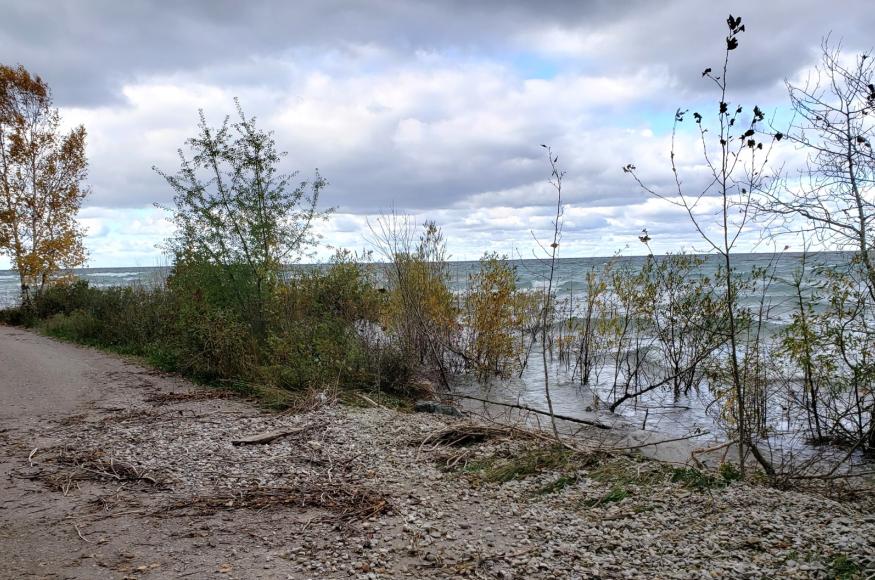
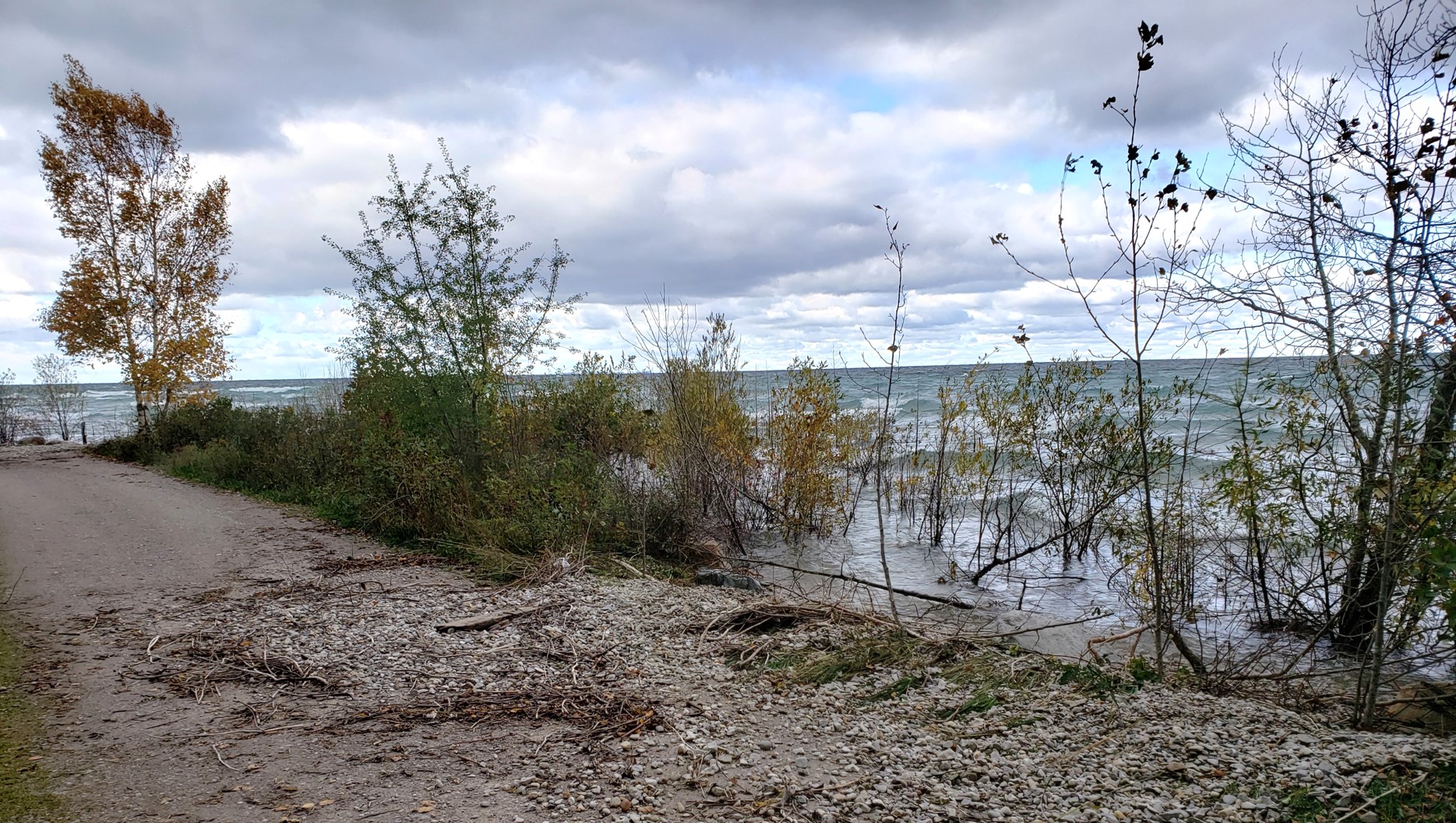
Lake Michigan water levels have had increased and more drastic fluctuations over the recent years. From 2013 to 2020 Lake Michigan fluctuated a total of 6.2 feet, from record lows to near record highs.
Challenges and Opportunities
Climate change will present challenges and opportunities for accomplishing the management objectives of this project, including:
Challenges
Higher temperatures may increase the desire for campers to access the water leading to decline of shoreline vegetation and increasing erosion
Warmer, longer seasons may result in higher demand for camping, putting pressure on the site and staffing, and potentially increase energy demand from visitors (either wanting electricity or use of generators which would disturb the rustic campground)
Low lying ground close to the lakeshore poses risks of flooding due to rising lake levels and heavy rainstorm events
Increased frequency and intensity of storms poses safety risk, and could impact desire to camp
Expected decline in beech trees due to beech bark disease will result in downed trees and increased trail maintenance and decline in trail aesthetics
Reduction in snow, shortening the season for winter recreation trail activity
Increasing levels of invasive species combined with increased visitation may introduce new areas of the park to this disturbance
Land acquisition for the State Park may become harder due to increased property value as a result of moderating effects of Lake Michigan on climate
Opportunities
Higher temperatures and shorter winters could extend the camping season resulting in increased revenues
Minimal infrastructure makes the site more resilient to climate impacts such as storm events
Moderating temperature effects of Lake Michigan could make the site more attractive as climate change impacts other locations
The dune environment and vegetation is resilient to change, and the sandy soils dry out quickly after heavy rain events
More demand for non-motorized transportation as an environmentally friendly transportation mode
Trees in the campground provide shade that keeps the ambient air temperature cooler
Adaptation Actions
Project participants used the Adaptation Workbook to develop several adaptation actions for this project, including:
Area/Topic
Approach
Tactics
Camping/overnight accommodation
1.2 Maintain, improve, and construct infrastructure using materials that can withstand a range of climate stressors
1.3 Maintain, improve, and construct infrastructure using designs that reduce impacts from variable water levels
1.5 Employ protective measures to minimize damage from disturbance events
3.1 Reduce visitor impacts to vulnerable areas
3.2 Optimize timing of opportunities to align with changing conditions
4.3 Prevent or minimize hazards from extreme heat events
5.2 Use appropriate vegetation to increase resilience of recreation settings to climate-related stressors
6.2 Relocate existing infrastructure and opportunities to areas with less risk of climate-exacerbated damage
6.3 Integrate long-term siting and climate considerations into recreation management
6.4 Use materials and designs that are impermanent
1.3 Maintain, improve, and construct infrastructure using designs that reduce impacts from variable water levels
1.5 Employ protective measures to minimize damage from disturbance events
3.1 Reduce visitor impacts to vulnerable areas
3.2 Optimize timing of opportunities to align with changing conditions
4.3 Prevent or minimize hazards from extreme heat events
5.2 Use appropriate vegetation to increase resilience of recreation settings to climate-related stressors
6.2 Relocate existing infrastructure and opportunities to areas with less risk of climate-exacerbated damage
6.3 Integrate long-term siting and climate considerations into recreation management
6.4 Use materials and designs that are impermanent
Provide designated location(s) for access to Lake Michigan at the campground using impermanent or adaptable design technique. Control/ discourage access in other locations
Relocate campground road and campsites away from the lake shore in most vulnerable locations
Conduct localized re-grading of campground to facilitate drainage
Locate any new infrastructure on high ground away from the lakeshore in an area with low potential for climate induced disturbance
Consider expanding campground use season (if supported by changing use patterns)
Add 5-10 hike in only campsites
Use vegetation to provide shade in the campground, supplementing existing vegetation or replacing vegetation when it is lost, promoting species diversity
Provide cooling and protection from insect pests through cabin modifications such as screened in porch, improved ventilation and possible mechanical cooling with solar power source
Consider self-contained mobile shower unit in peak use season in lieu of a new permanent building
Trail System
1.5 Employ protective measures to minimize damage from disturbance events
2.3 Minimize impacts of existing roads and trails that are compromised by changing conditions
3.1 Reduce visitor impacts to vulnerable areas
3.2 Optimize timing of opportunities to align with changing conditions
4.3 Prevent or minimize hazards from extreme heat events
5.1 Recondition recreation-related infrastructure located in vulnerable areas
6.5 Remove or decommission vulnerable infrastructure
2.3 Minimize impacts of existing roads and trails that are compromised by changing conditions
3.1 Reduce visitor impacts to vulnerable areas
3.2 Optimize timing of opportunities to align with changing conditions
4.3 Prevent or minimize hazards from extreme heat events
5.1 Recondition recreation-related infrastructure located in vulnerable areas
6.5 Remove or decommission vulnerable infrastructure
Provide shade/ rain shelters and resting areas along the trails and at overlooks
Close trails during exceedingly wet conditions and strengthen rules for when winter recreation use can occur
Close winter recreation trails when there is insufficient snow for use without damage or re-evaluate for non-snow use
Upgrade, repair, improve or relocate areas of trails with inadequate drainage
Employ strategies to keep public on the trails in sensitive areas, such as the critical dunes and wetlands, through education, signage, blocking off of user created trails, dune fencing etc.
Expanded Recreation Opportunities
1.2 Maintain, improve, and construct infrastructure using materials that can withstand a range of climate stressors
1.3 Maintain, improve, and construct infrastructure using designs that reduce impacts from variable water levels
1.5 Employ protective measures to minimize damage from disturbance events
5.2 Use appropriate vegetation to increase resilience of recreation settings to climate-related stressors
1.3 Maintain, improve, and construct infrastructure using designs that reduce impacts from variable water levels
1.5 Employ protective measures to minimize damage from disturbance events
5.2 Use appropriate vegetation to increase resilience of recreation settings to climate-related stressors
Locate any new infrastructure on high ground away from the lakeshore in an area with low potential for climate induced disturbance
Construct trails/overlooks at Mud Lake using materials and techniques to withstand flooding and changing water levels
Use vegetation to provide shade in the campground, supplementing existing vegetation or replacing vegetation when it is lost, promoting species diversity
Employ strategies to keep public on the trails in sensitive areas, such as the critical dunes and wetlands, through education, signage, blocking off of user created trails, dune fencing etc.
Monitoring
The team identified several monitoring items that could help inform future management, including:
- Number of sites closed or restricted to local sale only due to flooding (i.e. camp nights lost)
- Total number of camp nights in shoulder seasons (Autumn and Spring)
- Camper satisfaction
- Human impacts to the shoreline in the campground (vegetation loss, user-created trails etc.)
- Survival rate of trees planted in the campground(s)
- Trail use numbers
- Trail user satisfaction
- Vegetation growth following closure of winter trails
- Reduction in user created trails
- Overall trail condition
- Number of sites closed or restricted to local sale only due to flooding (i.e. camp nights lost)
- Total number of camp nights in shoulder seasons (Autumn and Spring)
- Camper satisfaction
- Human impacts to the shoreline in the campground (vegetation loss, user-created trails etc.)
- Survival rate of trees planted in the campground(s)
- Trail use numbers
- Trail user satisfaction
- Vegetation growth following closure of winter trails
- Reduction in user created trails
- Overall trail condition
Learn More
Keywords
Coastal
Infrastructure
Recreation