


Project Area

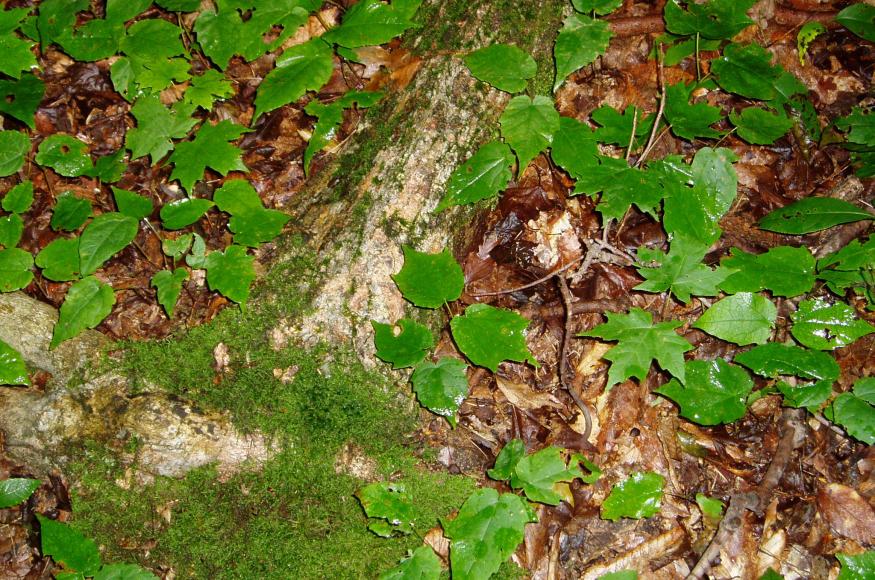
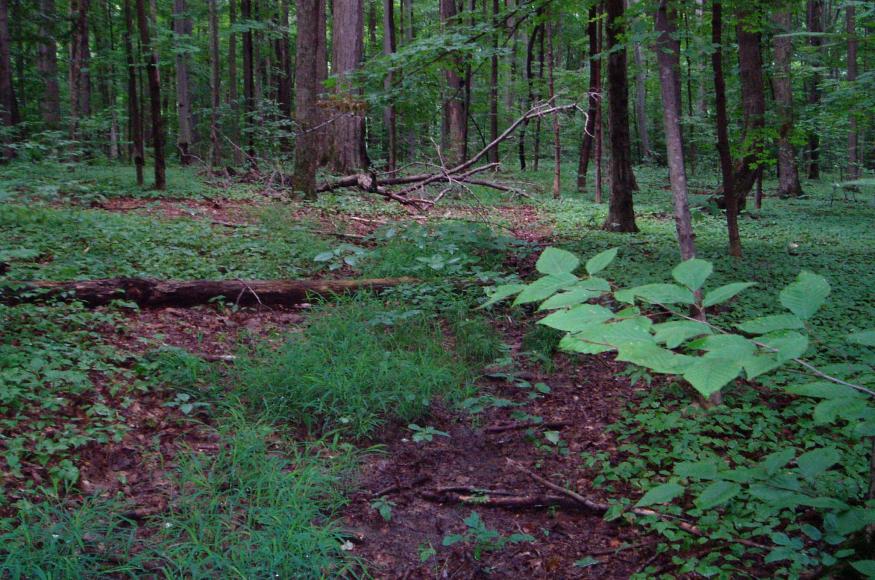
 The working woods is a 50 acre woodlot located at Holden Arboretum, Kirtland, OH. The area is divided into two main components. The upland area is dominated by beech and sugar maple, which was once a ‘sugarbush’ for maple syrup production. There is also a lowland area dominated by red maple, which was probably a field historically, but has reverted to woodland. There are mixed oak and hickory, tuliptree, ash, black cherry, and additional species (including invasive species) mixed throughout the fragmented stand.
Management Goals
The overall goal for the property is to develop a model ‘working woods’ for education of small woodlot owners.
Specific objectives include:
- Develop a sustainable maple syrup production demonstration.
- Conduct a timber stand improvement (thin out over-mature beech and maple).
- Create a suite of plots that show how to use woodlots for wood products, non-timber forest products, and wildlife habitat.
- Improve biodiversity.
Climate Change Impacts
For this project, the most important anticipated climate change impacts include:
Changes in precipitation patterns leading to potential reductions in soil moisture later in the growing season
Potential increases in heavy storms leading to larger gap disturbances
Potential losses in suitable habitat for sugar maple, red maple, and beech under a high emissions scenario
Challenges and Opportunities
Climate change will present challenges and opportunities for accomplishing the management objectives of this project, including:
Challenges
Maple syrup production may no longer be viable in the long-run if late winter conditions are not favorable or if sugar maple declines.
Declines in many species present in the area may decrease biodiversity
Opportunities
Flexibility to substitute other species for syrup production if sugar maple declines.
Dead trees could create habitats for wildlife
Canopy gaps could create opportunities for new species
Adaptation Actions
Project participants used the Adaptation Workbook to develop several adaptation actions for this project, including:
Area/Topic
Approach
Tactics
Upland
Underplant with native species expected to do well under future climate change
Lowland
Increase understory herbaceous layer and litter layer to help reduce erosion and runoff with heavier rain events while promoting regeneration/facilitating reforestation
Lowland
Plant more species and genotypes of flood-adapted trees, especially oaks with more recalcitrant leaves
Monitoring
Project participants identified several monitoring items that could help inform future management, including:
seedling survival rate
counts of mature and legacy trees
counts of dead snags and woody debris, Note pit mounds and light gaps
count of herbaceous plants, including species groups of tree seedlings
count of number and species of sapling trees and shrubs
depth of O layer
sampling of worm count
Project Documents
WorkingWoods_InventoryReport_Request.pdf
(37.29 KB)
Working_Woods_2017.pdf
(3.27 MB)
Learn More
Keywords
Lowland/ bottomland hardwoods
Upland hardwoods
Urban