• Start-up
  • Planning
  • Action
  • Evaluation
Gogebic County Forestry and Parks Commission and the Gogebic Conservation District evaluated climate change risks and adaptation opportunities for an on-going wildlife habitat management project.

Project Area

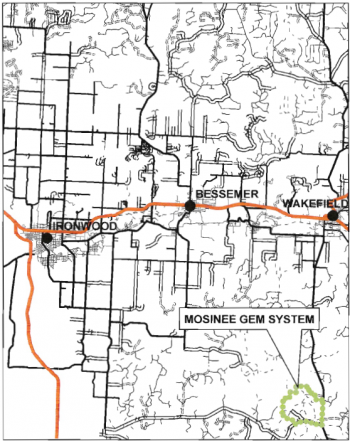
A map of the Mosinee GEMS project area.
The Gogebic County Forestry and Parks Commission manages roughly 50,000 acres of forestland, most of which is managed to provide multiple benefits to the public. The Mosinee Grouse Management Area is located about 5 miles south of Wakefield, MI, in the western Upper Peninsula. The Mosinee Grouse Management area covers over 1,100 acres.

Management Goals

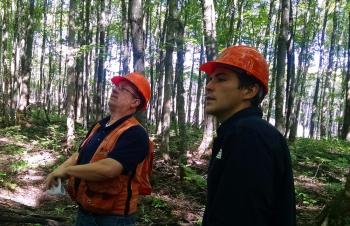
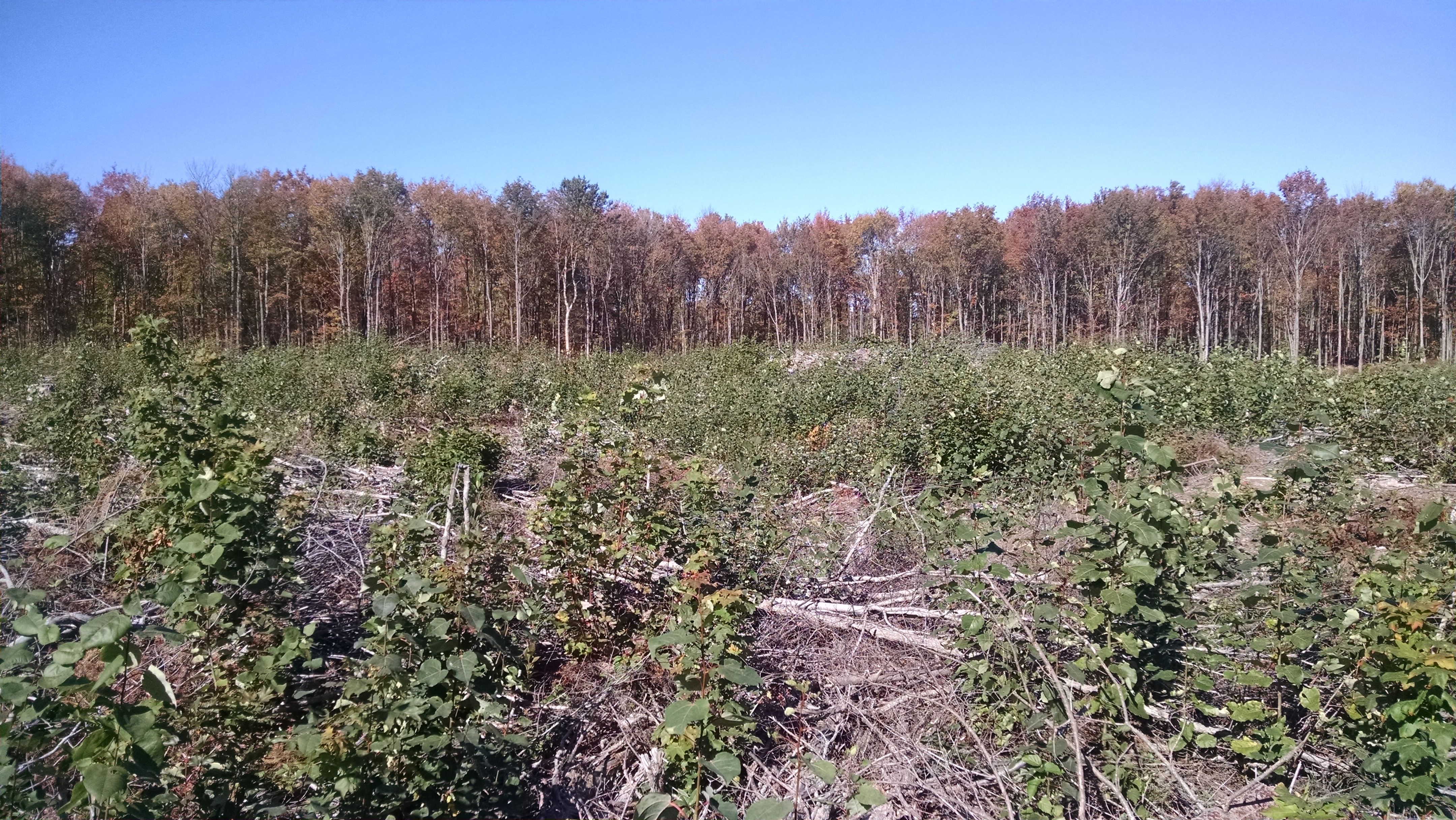
Gogebic County Forestry and Parks Commission and the Gogebic Conservation District touring the GEMS site.

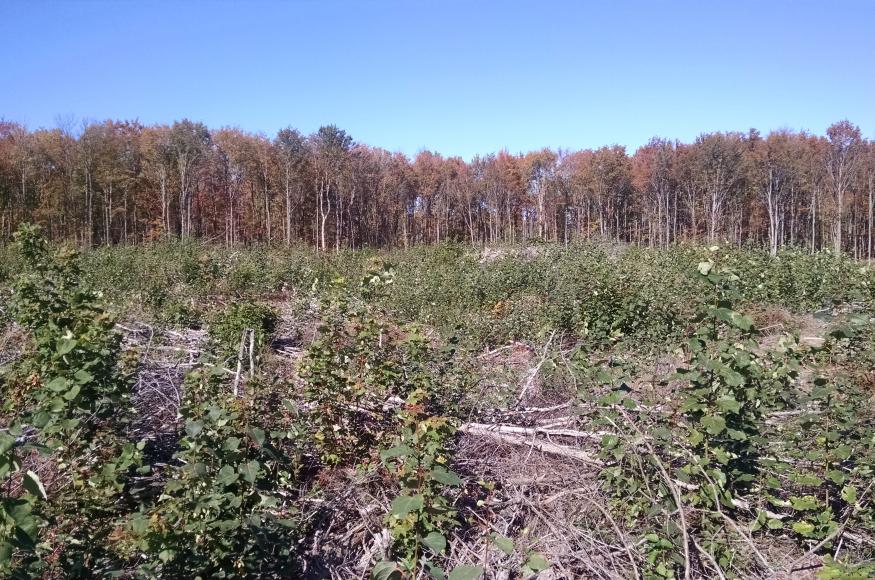
The State of Michigan established Grouse Enhanced Management System (GEMS) project throughout the state. The goal of GEMS is to enhance upland bird hunting opportunities through the creation of walk-in access hunting trails with habitat intensively managed for improved ruffed grouse and woodcock hunting. GEMS are developed on sites with historically good grouse and woodcock habitat that have been further enhanced with plantings of clover and fruit-bearing trees and shrubs. An additional key component of habitat improvement for the GEMS is the intensive cutting of aspen on an accelerated 40-year cycle, which will increase the presence of young aspen. This early-successional habitat also benefits species such as deer and snowshoe hare.

Climate Change Impacts

The FAP District Forester and MSU Extension Forester considered broad climate change trends that are expected for northern Michigan forests and the site conditions across the property. They identified several risks associated with climate change, as well as several opportunities. Some of these include:
Several northern hardwood species may benefit from warmer, drier conditions, including northern red oak
The climate in this local area is strongly influenced by Lake Superior, including heavy lake-effect snowfall and relatively moderate temperatures.
Warmer temperatures and longer growing seasons could combine to reduce soil moisture in this project area. This could be particularly stressful for quaking aspen, which is at risk of decline.
More frequent heavy precipitation events could make it difficult to access portions of this area for summer harvest, and cause erosion along hunting and walking trails.

Adaptation Actions

After considering the menu of adaptation strategies and approaches from the Adaptation Workbook and comparing the management actions outlined in the Mosinee GEMS Management Plan, the foresters found several win-win opportunities. Several aspects of the management plan also can be expected to have benefits for climate change adaptation. Some of the adaptation actions being implemented in this project include:

Area/Topic
Approach
Tactics
Overall Project Actions
Manage 236 acres of aspen in multiple blocks, with the goal of creating several age classes in 5-year increments
In northern hardwood stands and aspen stands, retain cedar, hemlock, northern red oak, white pine, and other under-represented species
Retain large northern red oaks on the edges of aspen coppice cuts
In northern hardwoods stands, harvest a greater proportion of ash species
Promote aspen regeneration through winter-season coppice cuts
Allow natural regeneration of red oak and other shade-intolerant species

Project Documents

Next Steps

The Forestry Assistance Program District Forester for Gogegic County and a Michigan State University Extension forester initially reviewed the management plan for the Mosinee Grouse Management Area, using the Adaptation Workbook at a 2015 Forest Adaptation Planning and Practices workshop. At a follow-up field visit, staff from the Conservation District and the Gogebic County Forestry and Parks Commission discussed the adaptation opportunities for the project. The Management Plan for the Mosinee GEMS site was completed in February 2015. Management actions specified in the Adaptation plan started in summer 2015.  

After considering the menu of adaptation strategies and approaches from the Adaptation Workbook and comparing the management actions outlined in the Mosinee GEMS Management Plan, the foresters found several win-win opportunities. Several aspects of the management plan also can be expected to have benefits for climate change adaptation.Frequent entries into this site will ensure regular monitoring and provide more opportunities to adjust management actions as conditions dictate.

Learn More

Keywords

Early-successional habitat
Regeneration
Wildlife habitat

Last Updated