


Project Area

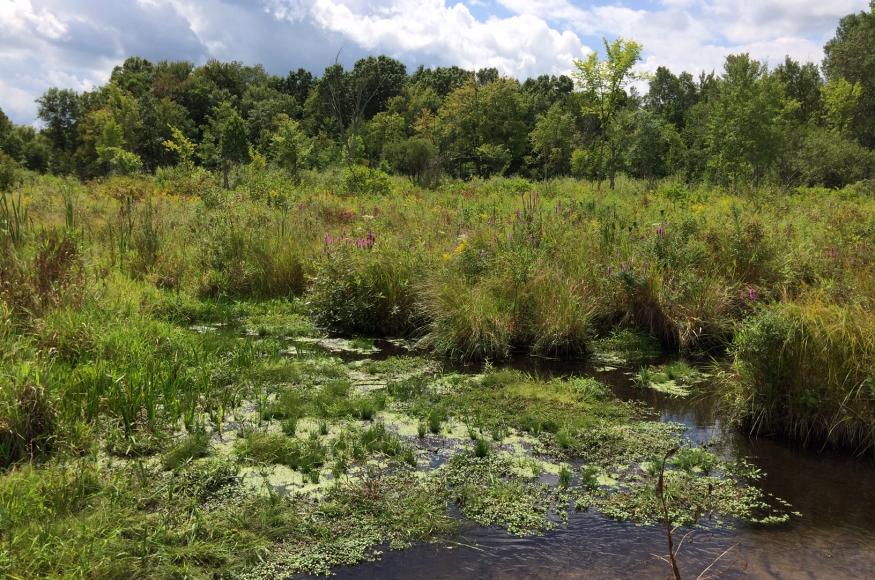
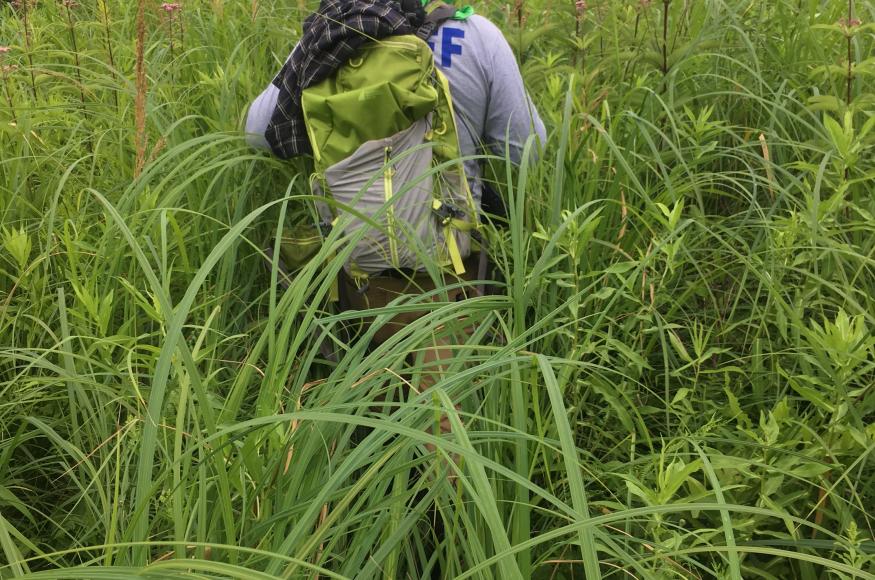
 Fort Custer Training Center encompasses 7500 acres in southwestern Michigan and has 3 prairie fens on site. Hydrological processes are very important to prairie fen structure, which are maintained by a constant inflow of groundwater rich in calcium and magnesium from surrounding glacial deposits. Healthy fens also depend on healthy associated upland communities. In much of southwestern Michigan, agriculture and urban development have disrupted groundwater flow and altered wetland ecosystems, and lack of fire has caused prairie fens to succeed into shrub-dominated communities. Fort Custer retains fens due to its relatively undeveloped character, and is contributing to fen protection and restoration efforts. Rare species that inhabit these fens are a conservation focus.
Management Goals

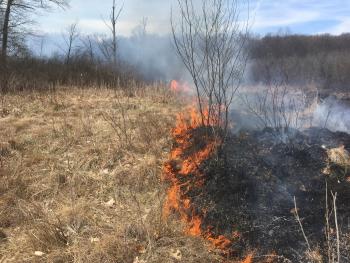
Fort Custer is interested in maintaining and restoring prairie fens and their associated upland systems. Fire and hydrologic processes are both critical for fen ecosystems, and so objectives are focused on:
- Managing healthy upland areas to allow for groundwater infiltration
- Conducting prescribed burns to restore and maintain fen vegetation
- Maintaining high-quality habitat by controlling invasive species and planting appropriate local vegetation
- Monitoring and maintaining critical hydrological processes
- Releasing captively-reared endangered species associated with fens (for example Mitchell’s satyr butterfly).
Challenges and Opportunities
Management staff at Fort Custer and partners identified several risks associated with climate change, as well as some opportunities:
Challenges
Changing precipitation patterns could affect the hydrology of the fens.
Increases in intense rainfall events could increase warm, nutrient, contaminant- and sediment-laden runoff.
Nutrient- rich runoff from rain events and warmer, longer growing seasons could exacerbate invasive species.
Species of conservation concern could be affected by changes in phenology and growing-season length.
Timing and effectiveness of prescribed burns could change as a result of longer growing seasons and altered fuel moisture.
Opportunities
These fen systems can generally tolerate wetter conditions (as long as there is sufficient groundwater to maintain them).
Longer growing seasons could lead to more time in the field for identification and elimination of invasive plants.
Changing burn windows and fuel moisture may open up new opportunities for growing-season prescribed burns.
Adaptation Actions
Project participants used the Adaptation Workbook and the menu of strategies and approaches for non-forested wetlands to develop several adaptation actions for this project, including:
Area/Topic
Approach
Tactics
Prairie fen & associated uplands
Manage upland areas to enhance groundwater recharge.
Monitor water quality standards for both nutrients and contaminants
Implement consistent prescribed fire in fens and monitor impacts - reassess if hydrology changes in response.
Continue to remove and manage invasive species
In the long-term, consider interplanting Carex spp from Missouri
Monitoring
Project participants identified several monitoring items that could help inform future management, including:
Presence of a 'canary in the coal mine' species, like Kalm's lobelia
Indicators in upland habitat
Beaver monitoring (can be help and hindrance to maintaining fens)
Learn More
Keywords
Fire and fuels
Wetlands
Wildlife habitat