


Project Area

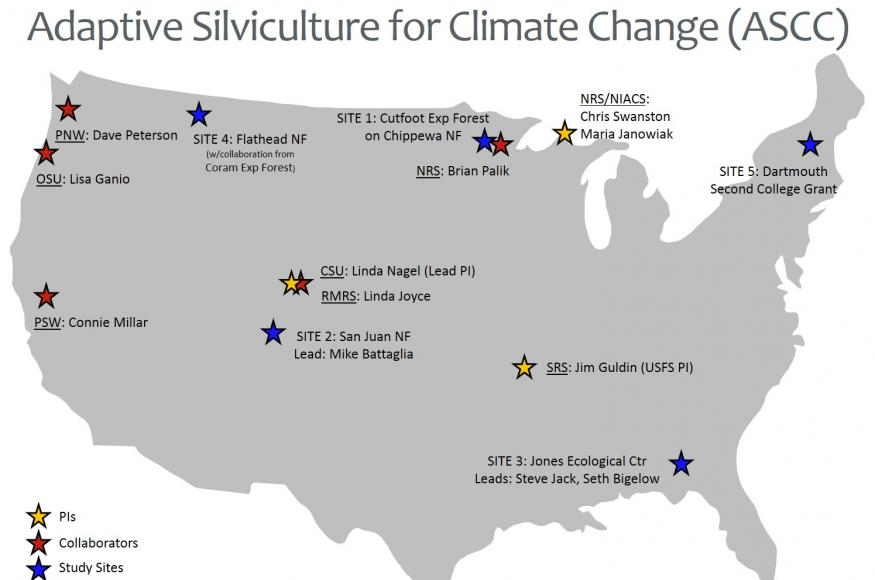
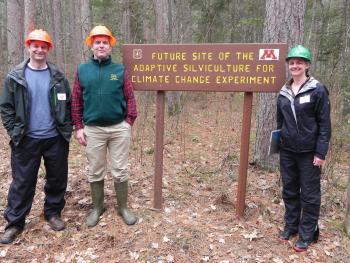 The National ASCC Network leads worked with the Chippewa National Forest and local partners to design and implement a silvicultural study for climate change adaptation on the Cutfoot Experimental Forest in Minnesota.
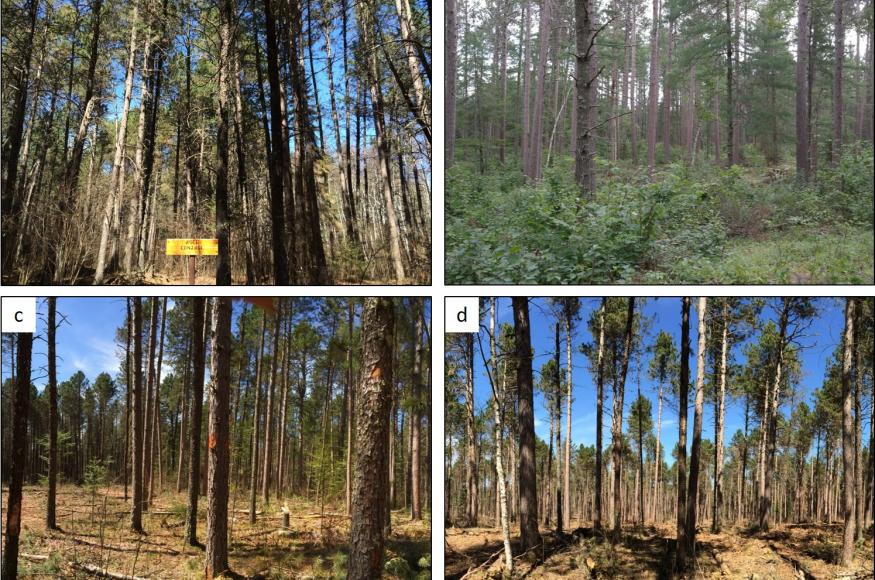
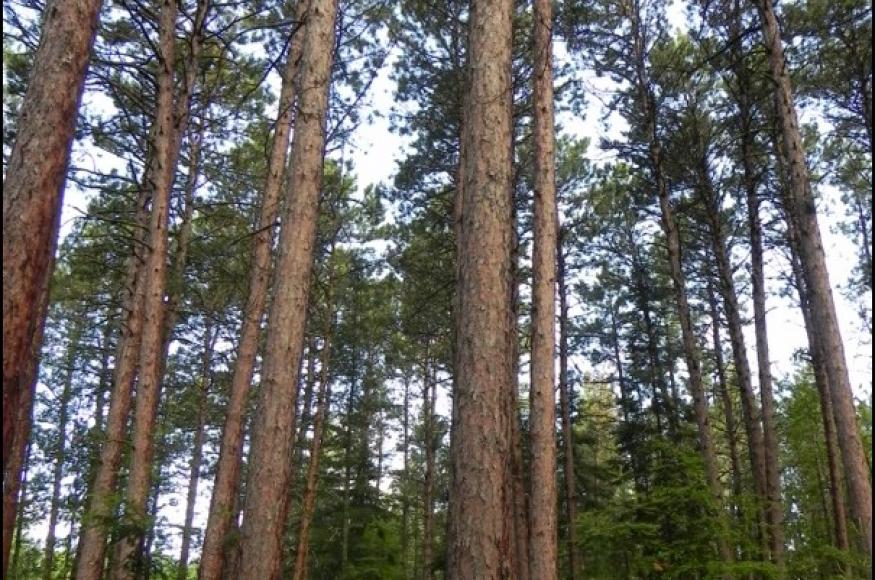
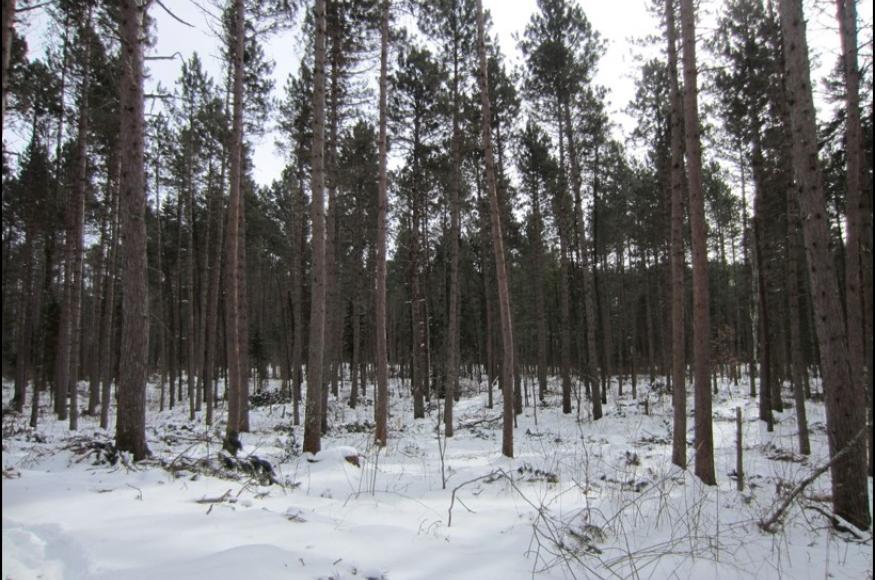
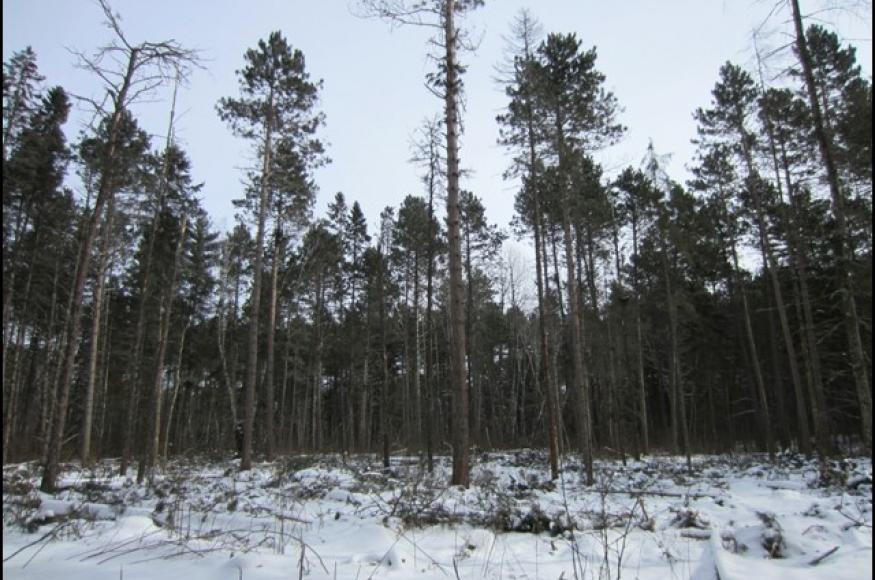
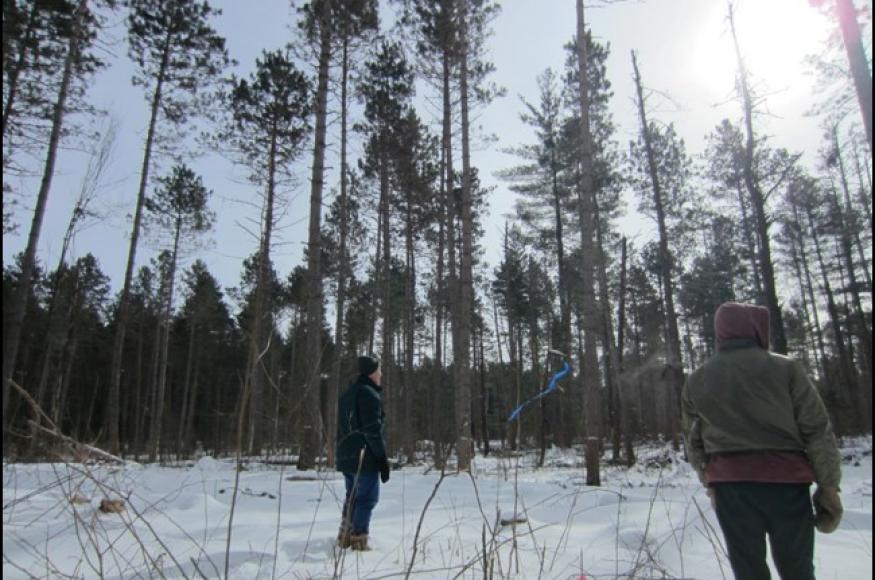
The installation on the Chippewa National Forest Cutfoot Experimental Forest was the first project site to be planned and implemented. The Cutfoot Experimental Forest covers approximately 3,000 acres, the majority which consists of natural-origin red pine stands. The stands identified for this project are dominated by red pine regenerated from a fire roughly 100 years ago. Learn more about the Cutfoot Experimental Forest here: www.nrs.fs.fed.us/ef/locations/mn/cutfoot/.
Management Goals
A team of natural resource specialists from the CNF and researchers familiar with the Cutfoot Experimental Forest participated in a three-day workshop in July 2013 to develop the study design for the CNF ASCC project site. The team developed a set of Desired Future Condition statements, Objectives, and Tactics for each major climate adaptation trajectory (resistance, resilience, transition). These three trajectories are summarized briefly below:
Resistance:
- Life boat red pine into a drier future by increasing soil moisture availability during drought
- Maintain red pine dominance (90% basal area) while increasing soil moisture availability during drought
- Productivity remains high and disturbance remains low, but there may be variability within an acceptable range
- Reduce stocking closer to woodland structure
Resilience:
- Red pine remains dominant (50-75% basal area)
- Increase heterogeneity and structural complexity
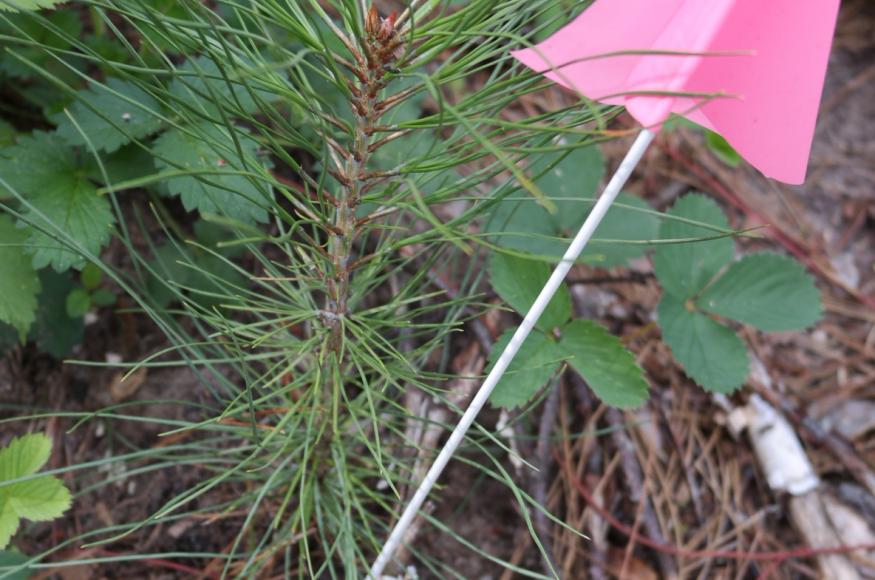
- Increase native future-adapted species
- Productivity remains high and disturbance remains low, but there may be variability within an acceptable range
Transition:
- Reduce red pine dominance to 20 – 50%
- Increase future-adapted species
- Productivity and disturbance occur within slightly wider acceptable ranges
- Increase heterogeneity and structural complexity
Climate Change Impacts
Challenges and Opportunities
Challenges
Opportunities
Adaptation Actions
The ASCC project was designed to explicitly test three different adaptation options: resistance, resilience, and transition. A detailed silvicultural prescription was designed for each adaptation option, which was replicated several times across the study site. The study site also includes several no-action "control" stands for comparison. Some of the adaptation tactics employed in this project include: (numbers refer to the menu of Adaptation Strategies and Approaches from the Adaptation Workbook)
5.2. Maintain and restore diversity of native species.
9.7. Introduce species that are expected to be adapted to future conditions.