


Project Area

 The project area is a 608-acre compartment of the public water supply watershed of the South Central Connecticut Regional Water Authority (SCCRWA). The forest helps protect water quality for a drinking water system that supplies 400,000 people.
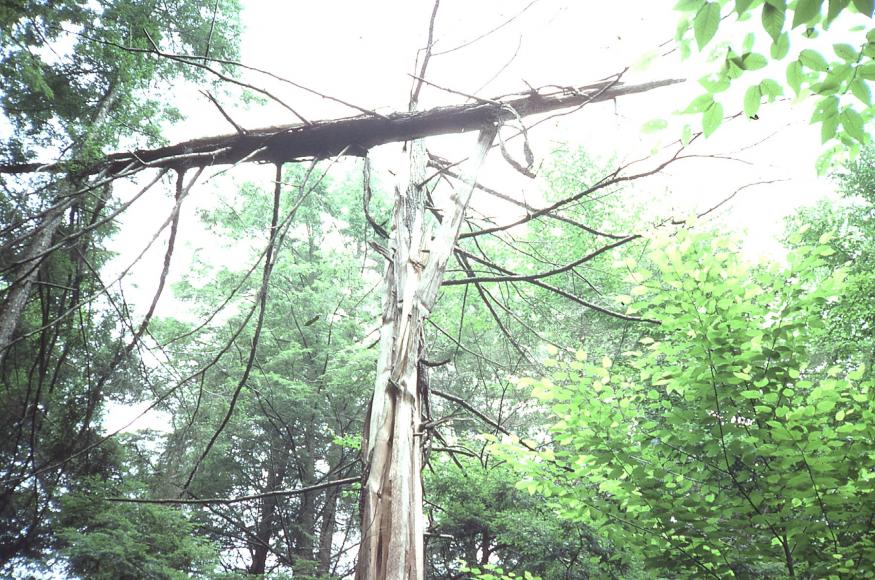
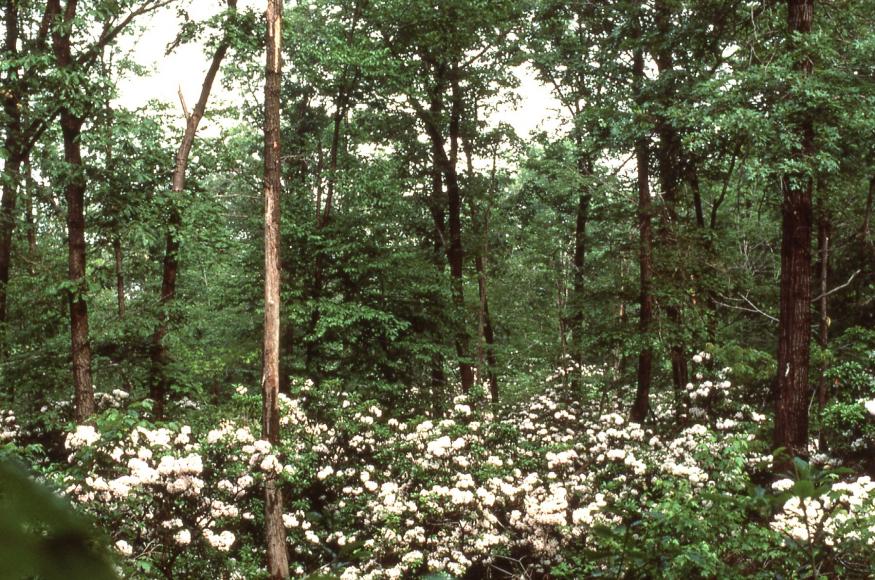
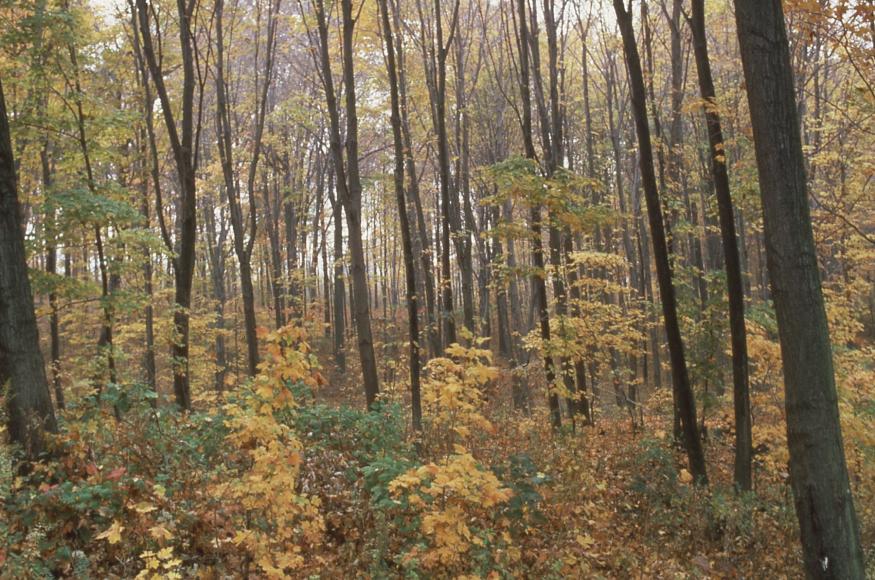
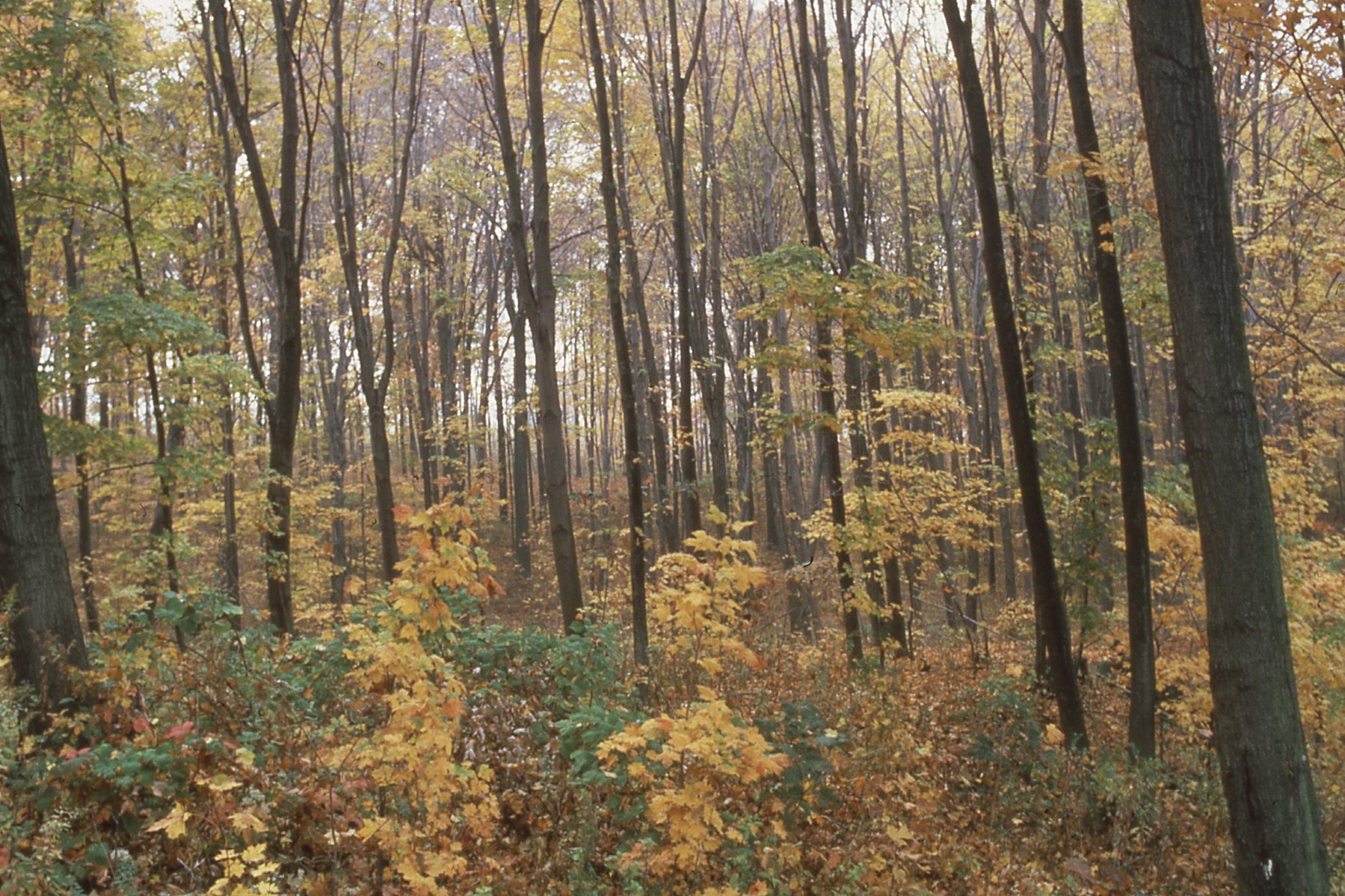
 The goal of the project (the climate change challenge) is to identify the species to encourage today that will thrive now and provide the seed source for a forest that is adapted to the climate 100-200 years from now. The forest is primarily central hardwoods transitional between oak hickory and northern hardwoods. There are also stands of white pine, transition hardwoods on the best sites, and lowland forest on the wettest sites supporting timber species. Much of the forest is more than 100 years old and many trees appear to be reaching physiological maturity.
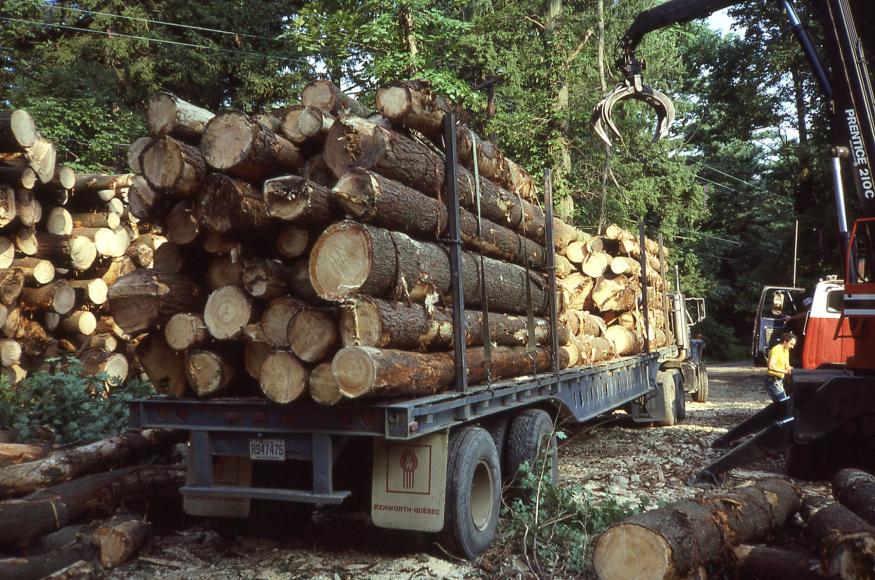
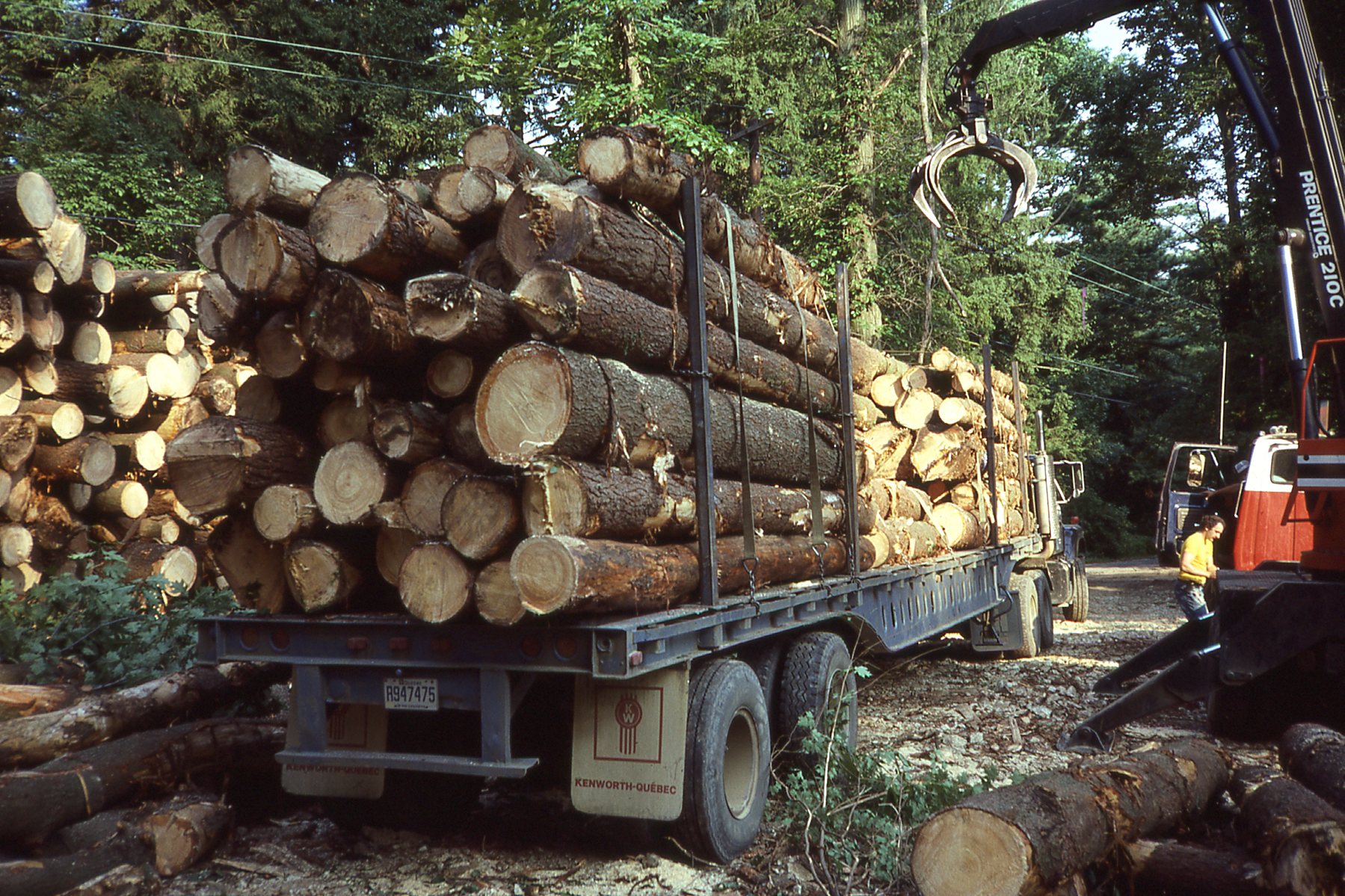
The operational goals are to protect water quality, generate income from timber harvests, protect wildlife habitat, and provide recreational opportunities, primarily in the form of a hiking trail. Objectives include keeping the forest in an aggrading state by regeneration and thinning, based on health, vigor, and density of the overstory, maintaining snags and cavity trees, and trees and shrubs with high wildlife or aesthetic value.
Regeneration is subject to moderately high deer browsing and competition with invasives. Forestry here typically relies on natural regeneration, but some planting to establish tree species that are better adapted to the future climate is also under consideration.
Management Goals


The major goal for the Water Authority is to protect forests in the watershed as a means of safeguarding the water supply for 400,000 people who live in the area. Forest management is used to ensure the health and productivity of the watershed’s forests, as well as to harvest timber to generate income. Forest management activities across the watershed also work to enhance wildlife habitat and provide recreational opportunities. Some specific management objectives in this project area include:
- Maintain forest conditions with positive net growth (tree growth is exceeds losses from mortality or harvest) across a variety of sites.
- Thin overstocked stands to provide growing space for most vigorous and valuable timber, including precommercial thinning where needed.
- Complete a shelterwood seed cut on the most poorly-stocked 5% of forest every 10 years..
- Retain snags (standing dead trees) and cavity trees at specific densities. Maintain the highest density of snags and cavity trees within 300 feet of water.
- Create patch openings during regeneration harvests, and cluster these openings.
- Provide interpretive signs during and after harvests visible from hiking trails and roads.
- Protect and encourage vegetation with visual appeal and high wildlife value, regardless of timber value, along trails and public roads using commercial and non-commercial forestry techniques.
Climate Change Impacts
Challenges and Opportunities
Challenges
Opportunities
Adaptation Actions
The Adaptation Workbook was used to identify some potential adaptation actions that are intended to help maintain ecosystem function and protect reservoir water quality. Most of the forest is central hardwoods, which in Connecticut is expected to be tolerant of a warming climate, and much of the actions are centered on building resilience to disturbances that are anticipated in the future. Other actions, such as favoring and planting potentially future-adapted tree species in some locations are directed toward transitioning the forest to be better adapted to a warmer climate.
5.2. Maintain and restore diversity of native species.