




Project Area
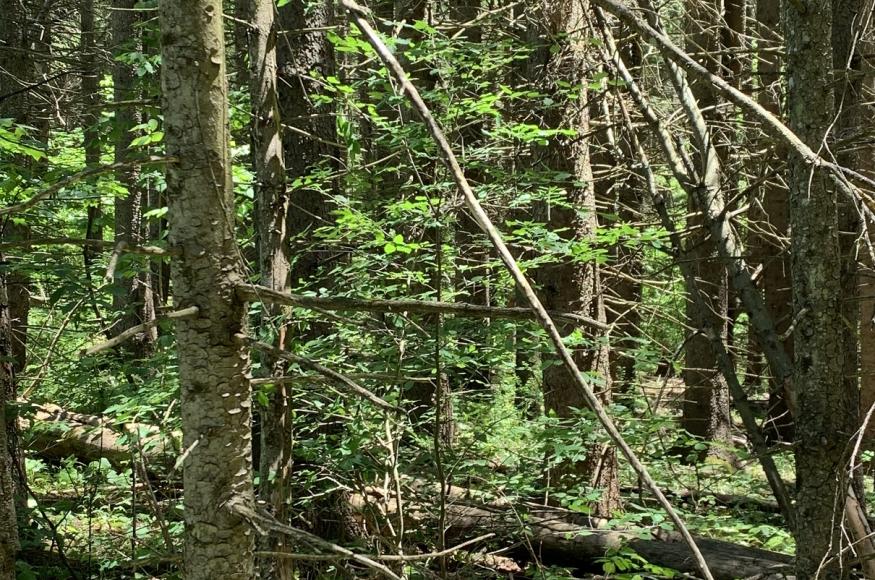
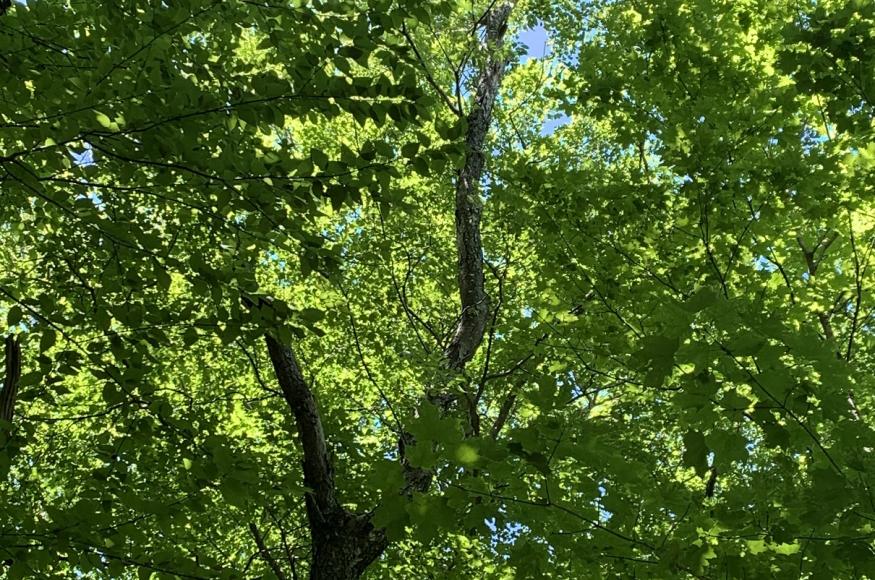
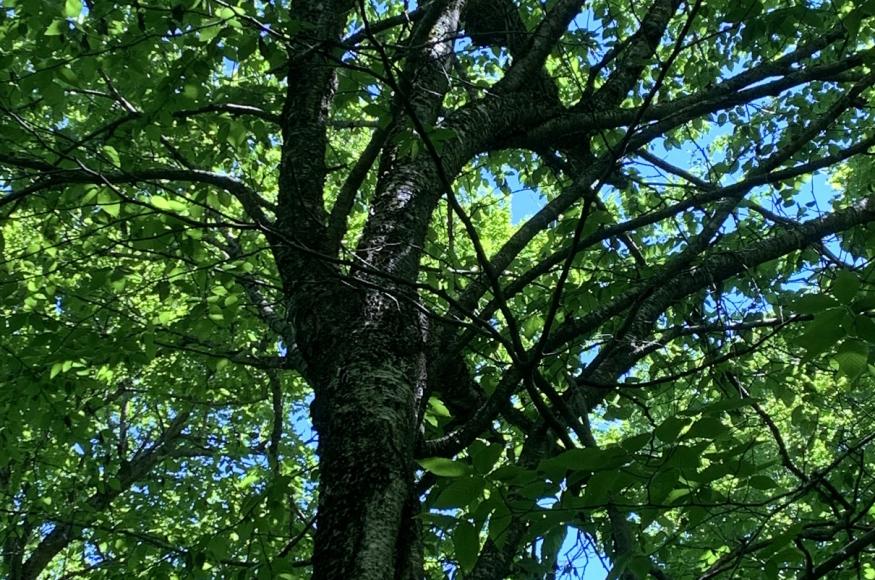
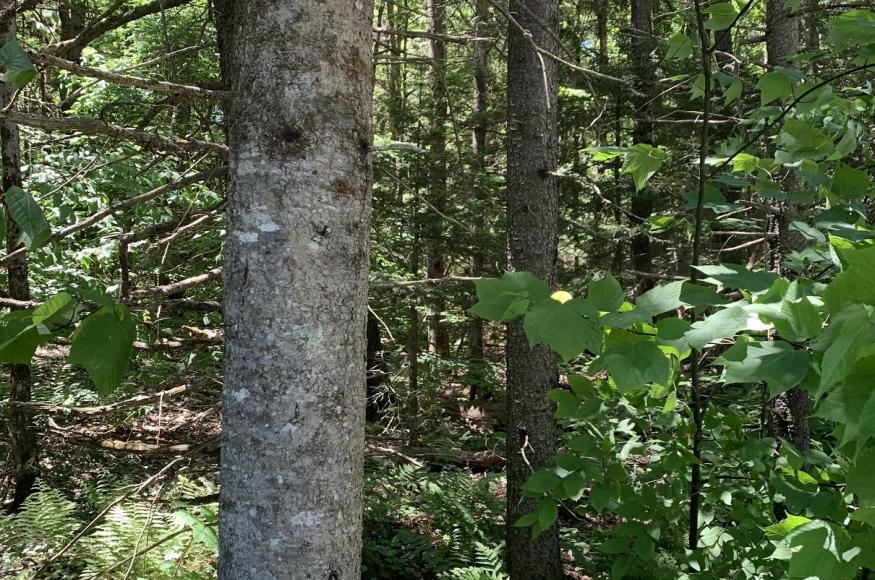
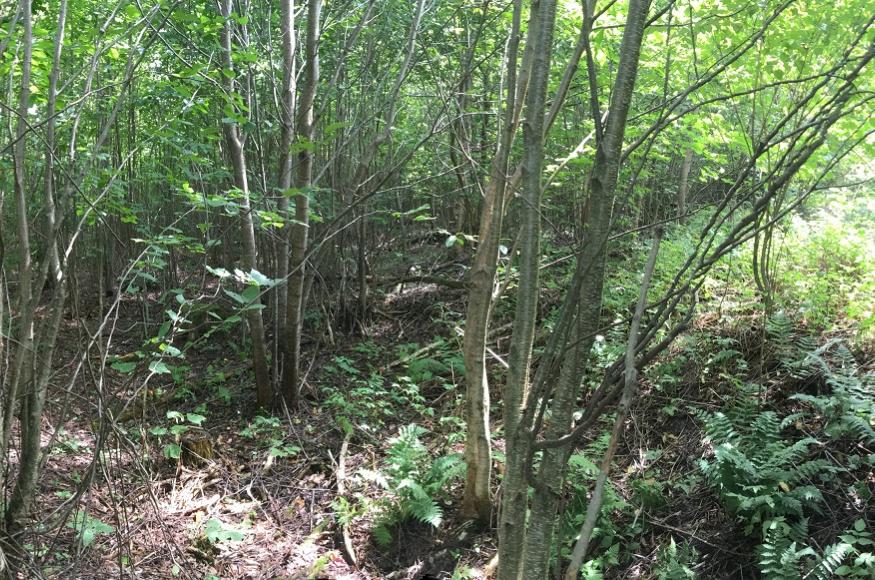
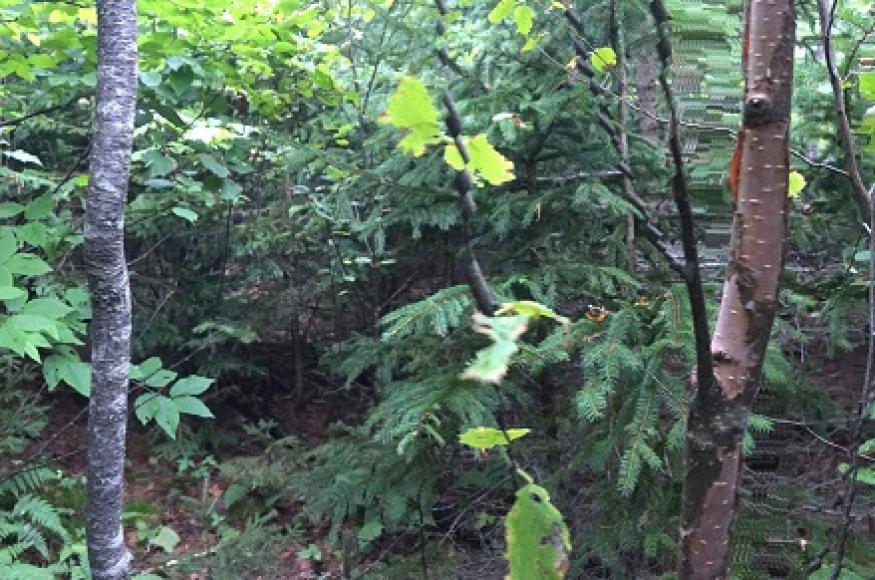
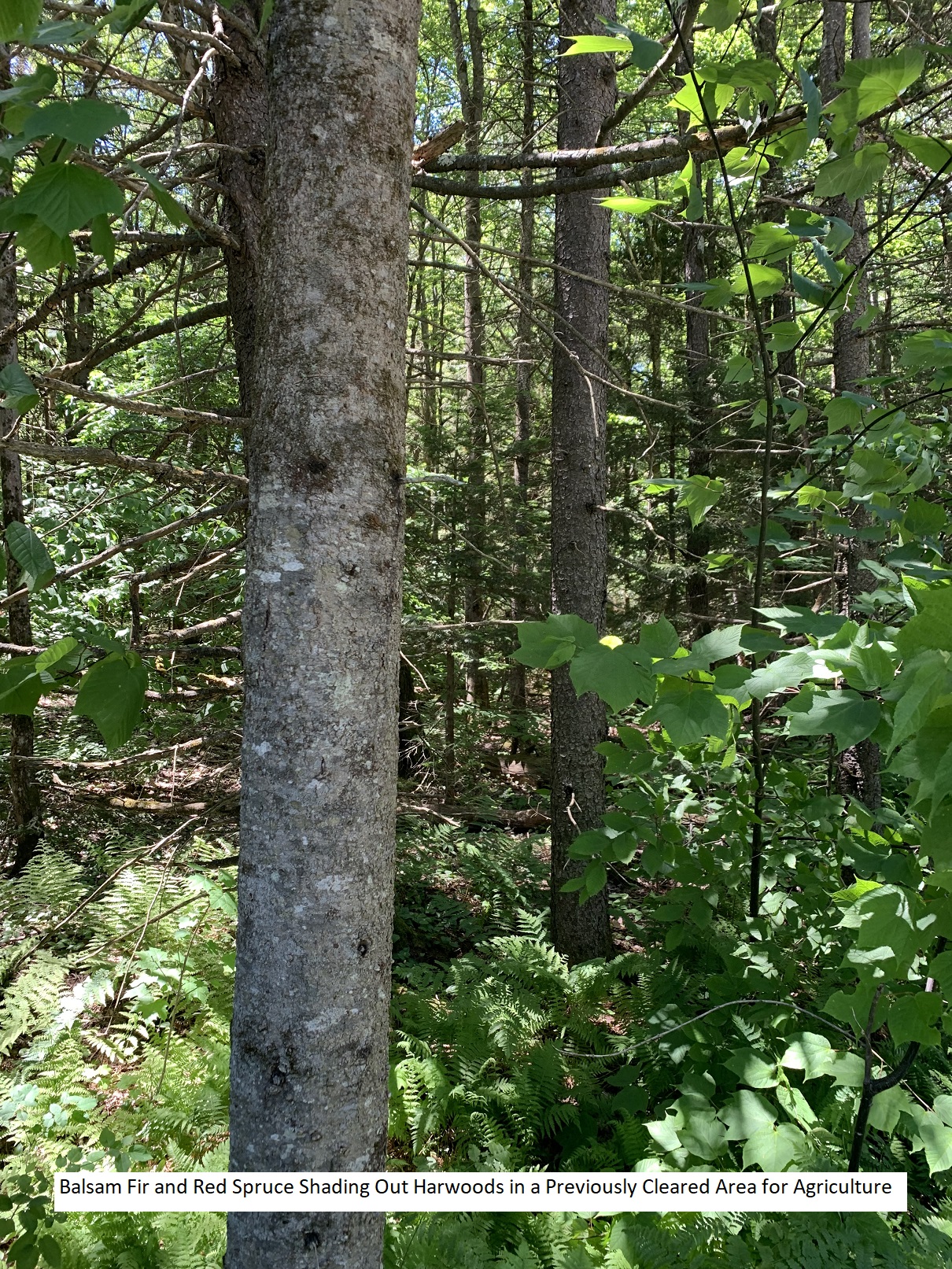
Once abandoned, these fields began the process of forest succession with pioneer species such as quaking aspen, choke cherry, black cherry, white birch, grey birch, serviceberry, etc. colonizing the site and creating conditions for more mature forest species such as yellow birch and sugar maple. Balsam fir and red spruce components are generally found in wet areas that were likely grazed, but not cultivated for crops or pasture. The previous frequency or extent of occurrence for balsam fir and red spruce is unknown.
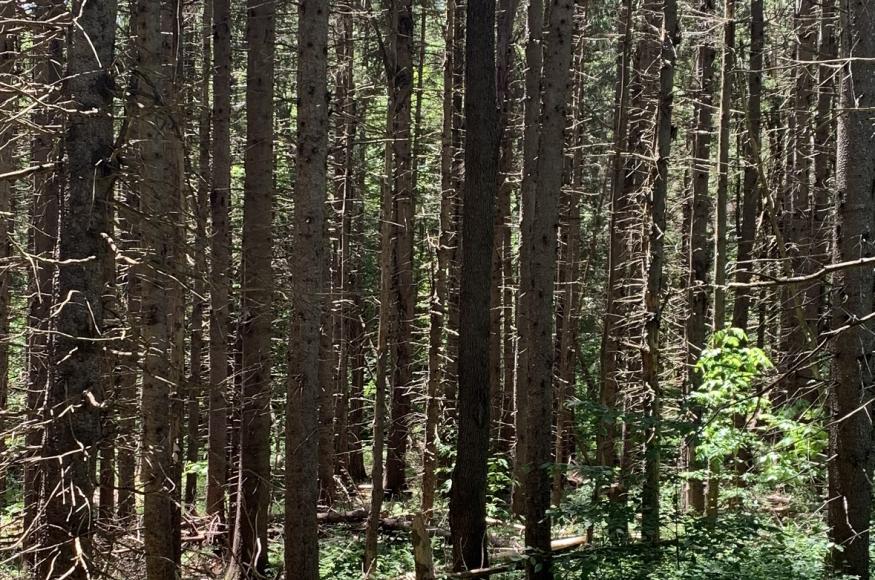
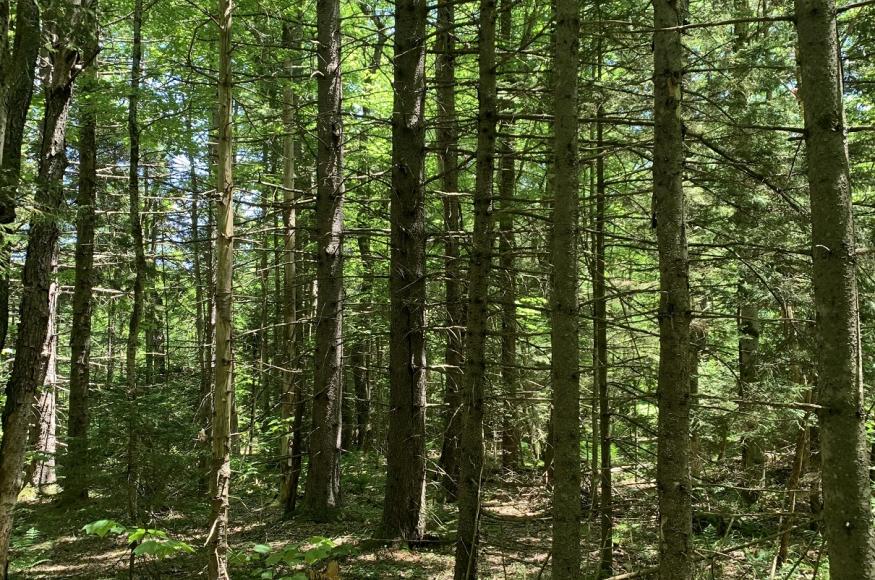
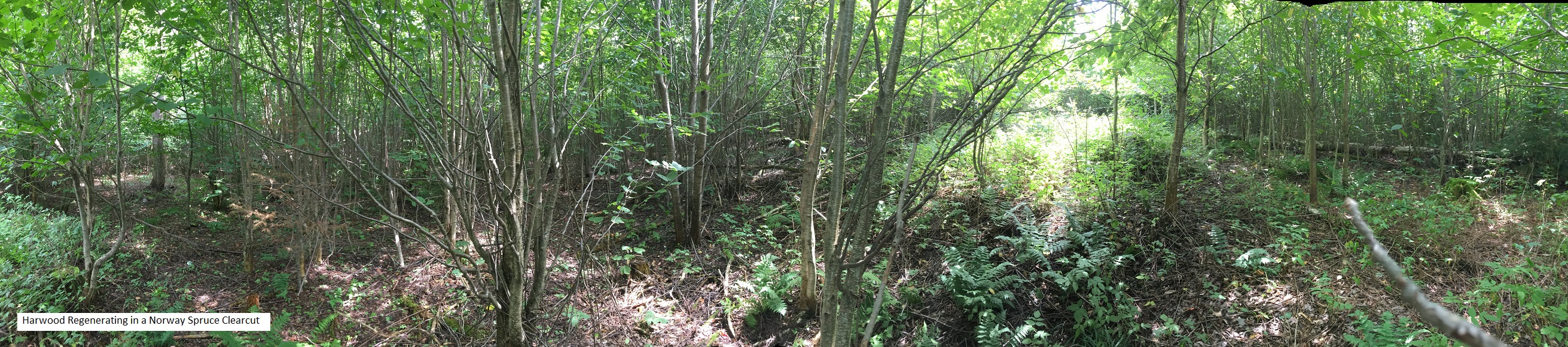
During the 1930’s the Civilian Conservation Corps installed numerous plantations in the area, with Norway spruce being the most common. The large areas of abandoned fields that began regenerating concurrently, in addition to extensive plantations, have led to approximately 70% - 80% of the forest being comprised of 2 age classes.
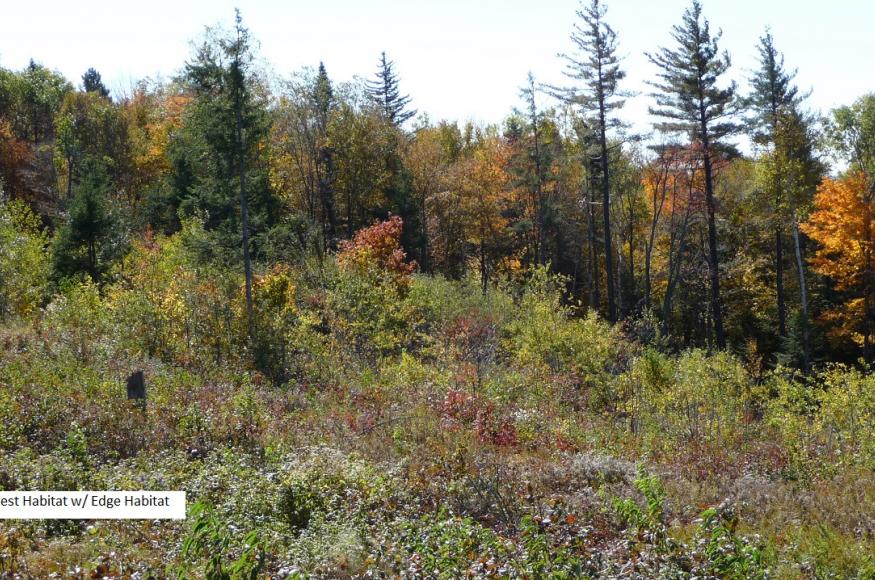
Additionally, the extent of young forest is declining, reducing the amount of high-quality habitat for plants and wildlife dependent on early seral stages. The loss of young forest also negatively impacts the ability of shade intolerant trees to establish; including quaking aspen and chokecherry , which are listed as vulnerable to climate change by the USFS Tree Atlas.
Management Goals
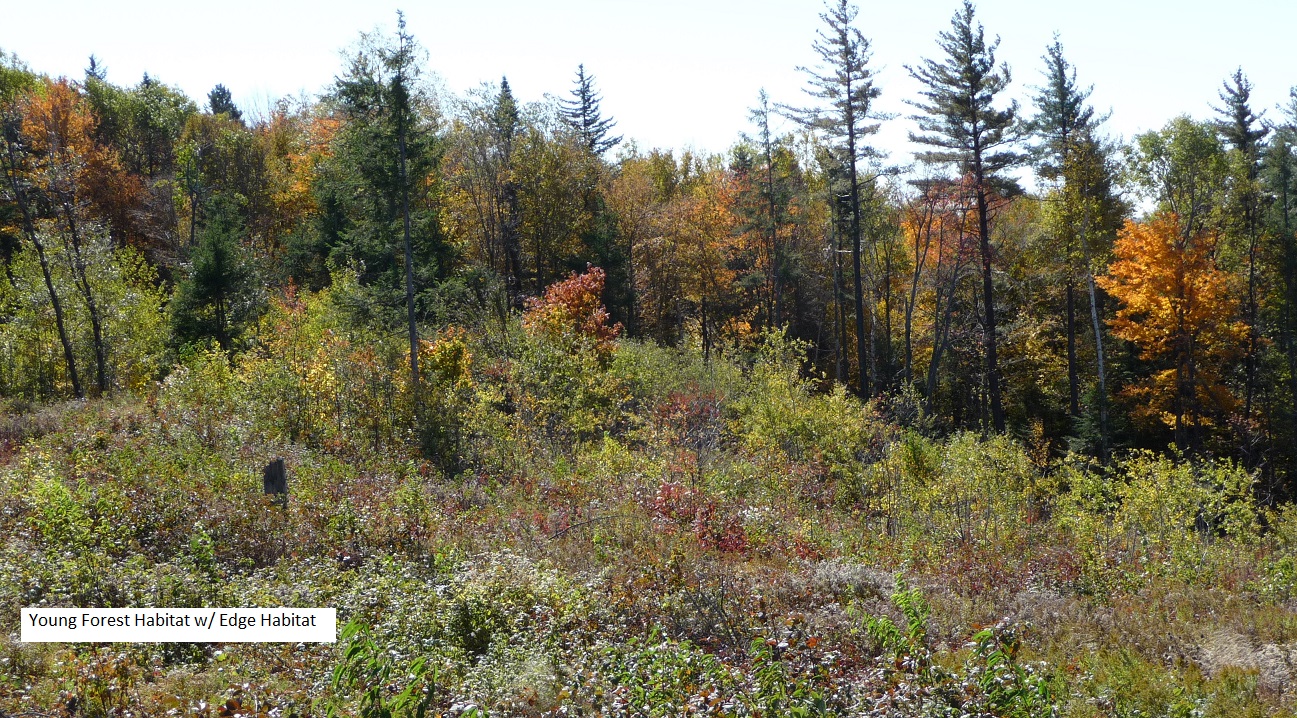
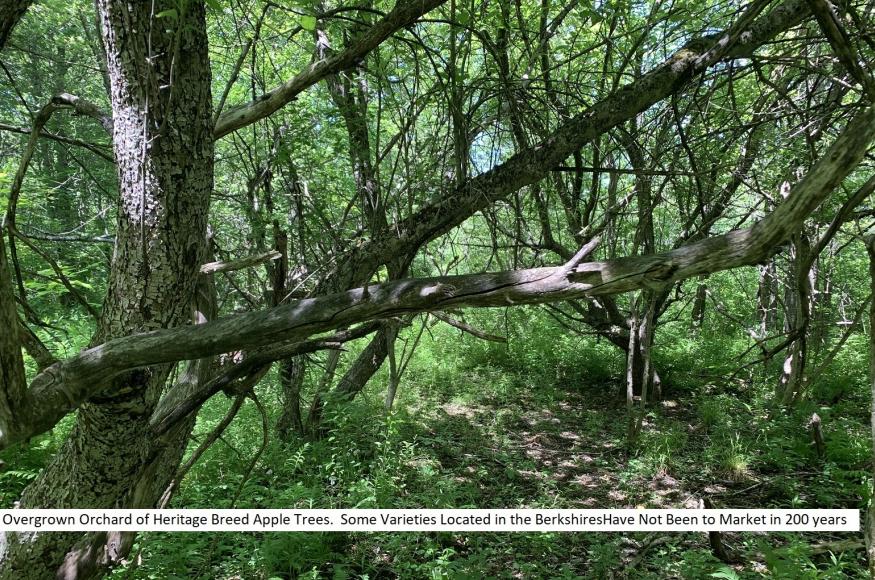
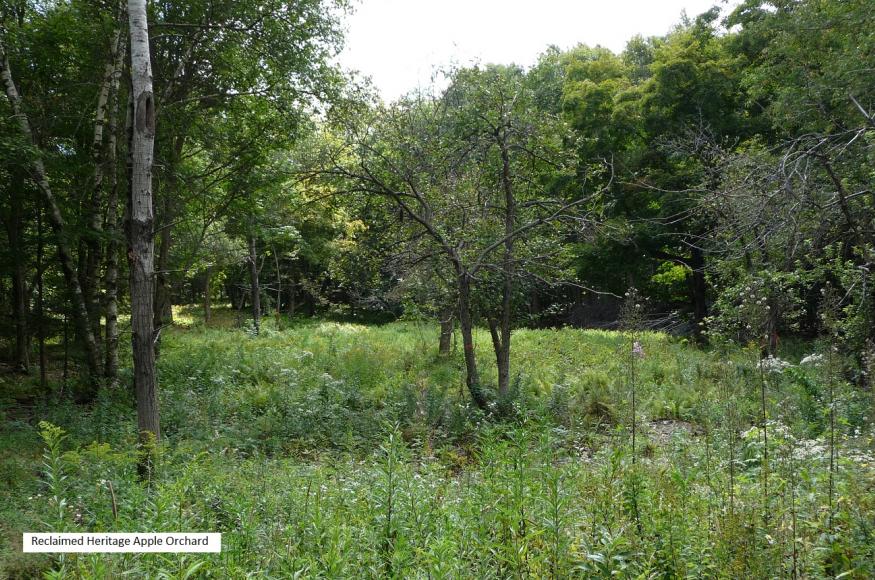
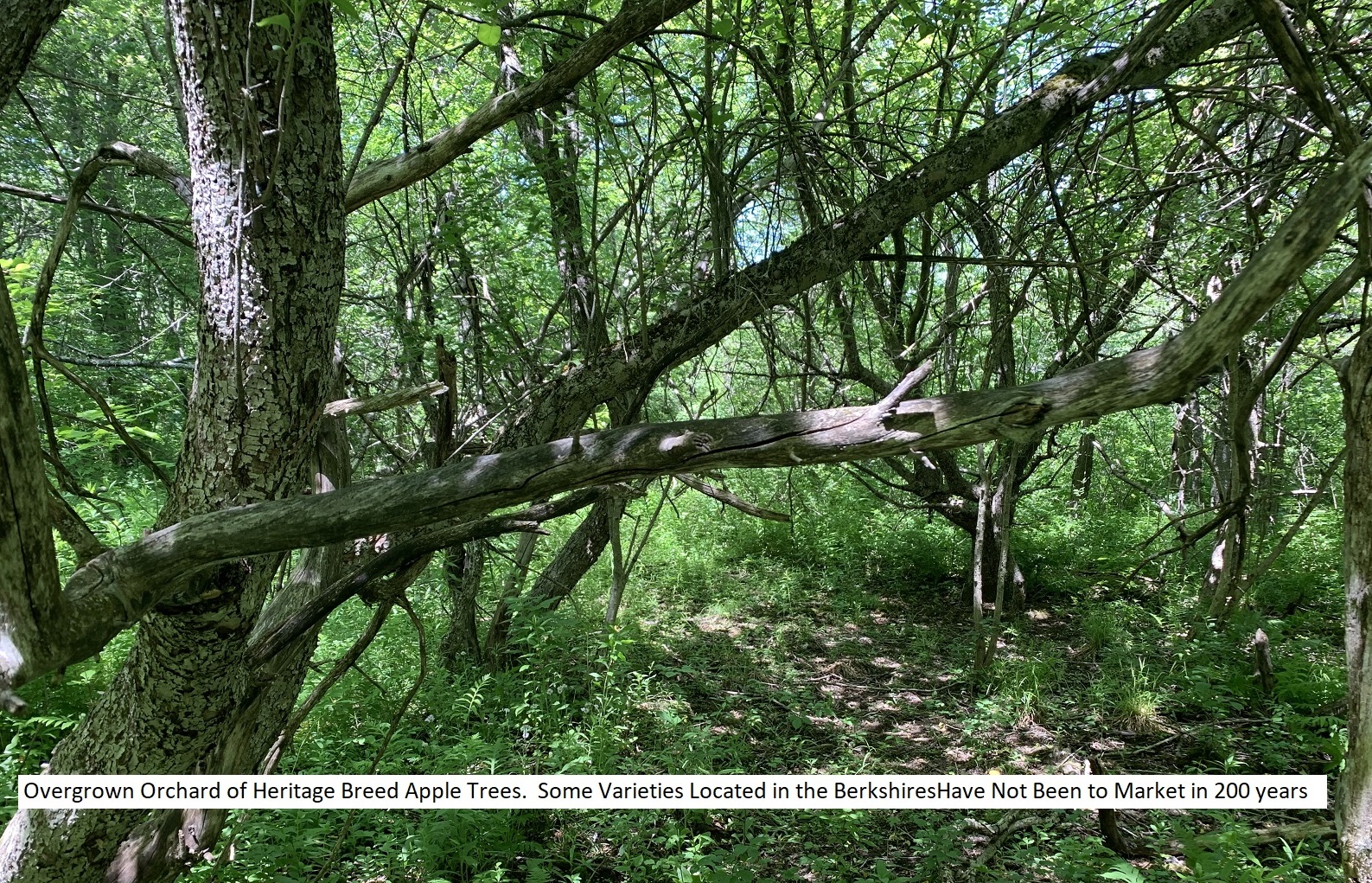
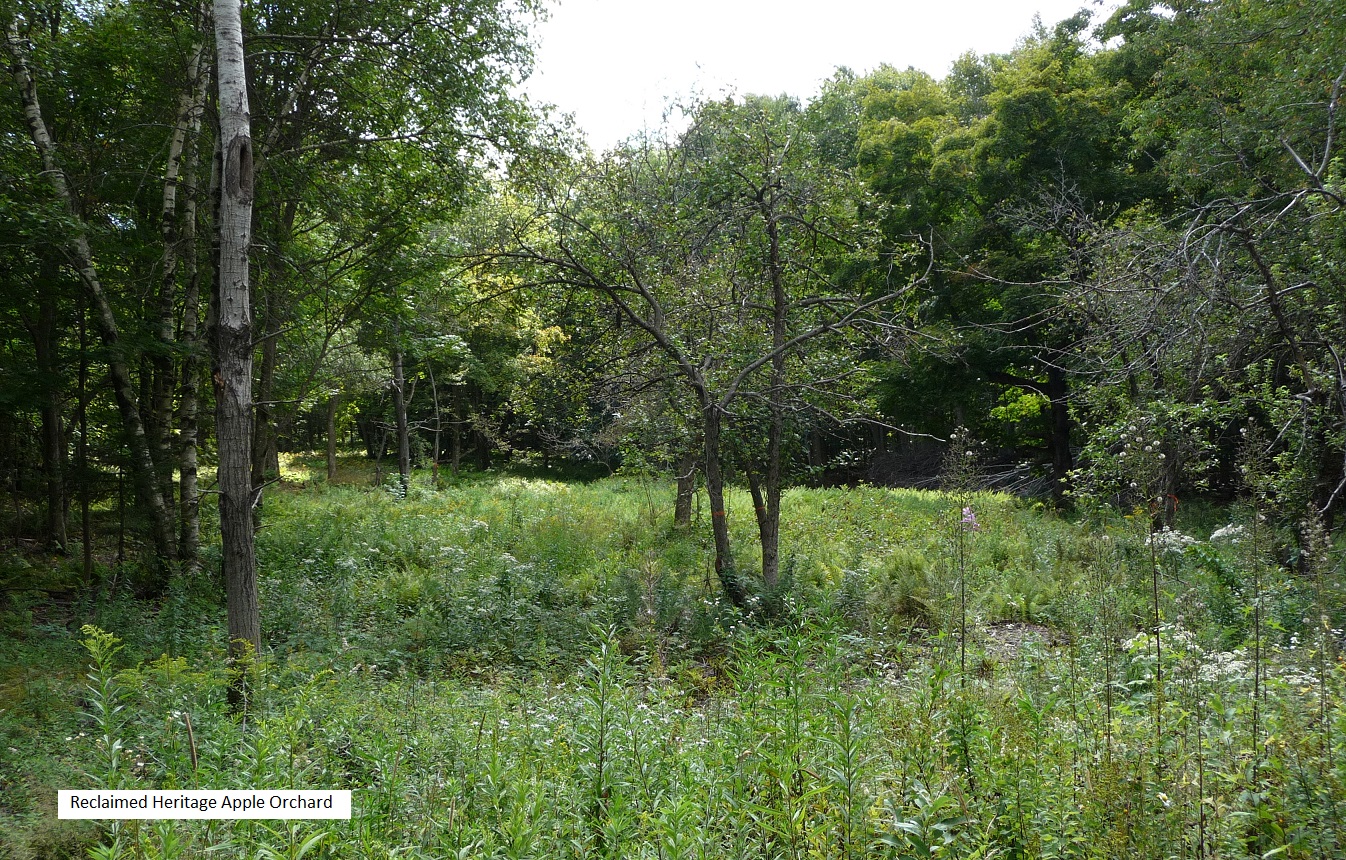
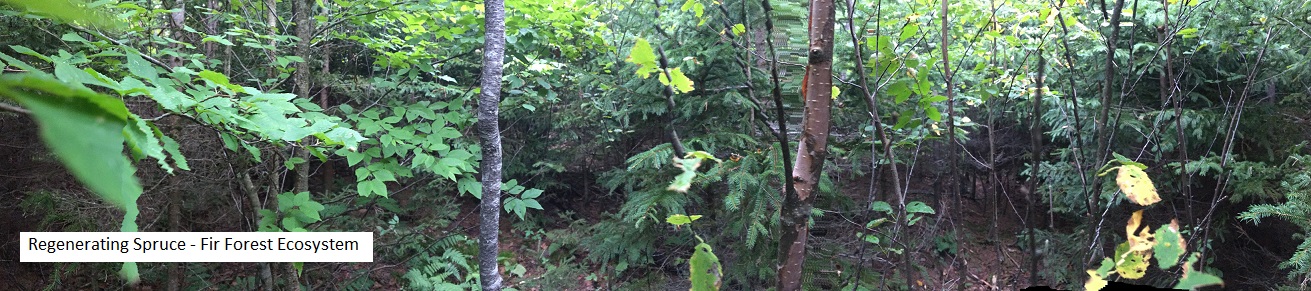
The management goals and objectives of the Savoy Landscape Resiliency Project reflect the Massachusetts Forest Action Plan, specifically: (1) Forest Health, of which forest resiliency is a component; (2) protect remaining young forest and restore young forest habitat; (3) encourage the recruitment and establishment of balsam fir and red spruce; (4) balance carbon sequestration and storage with the other benefits of a healthy forest; (5) increase sunlight reaching wetlands to benefit pollinators; (6) supplement regeneration failures with more climate adapted species such as Appalachian red spruce and Frasier fir; (7) minimize stream filter strip disturbance; (8) invigorate heritage apple trees; (9) treat nuisance and invasive vegetation; (10) create high-functioning habitat for species listed in the State Wildlife Action Plan
Climate Change Impacts
- Warmer Winters: Warmer winters may have less snow cover when there are periods of very cold weather leading to frost heaving (which severs roots), or the freezing of fine roots. Ground may not freeze, which is critical for logging in certain areas.
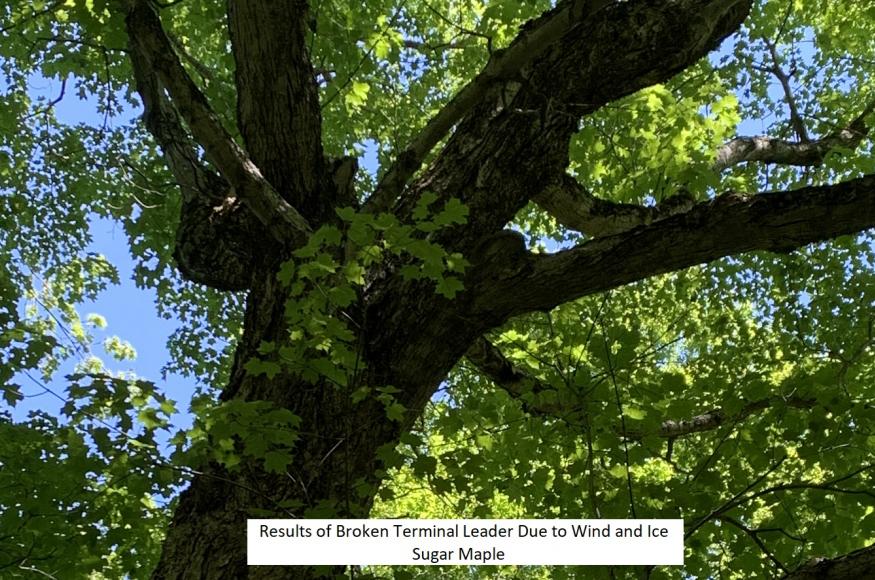
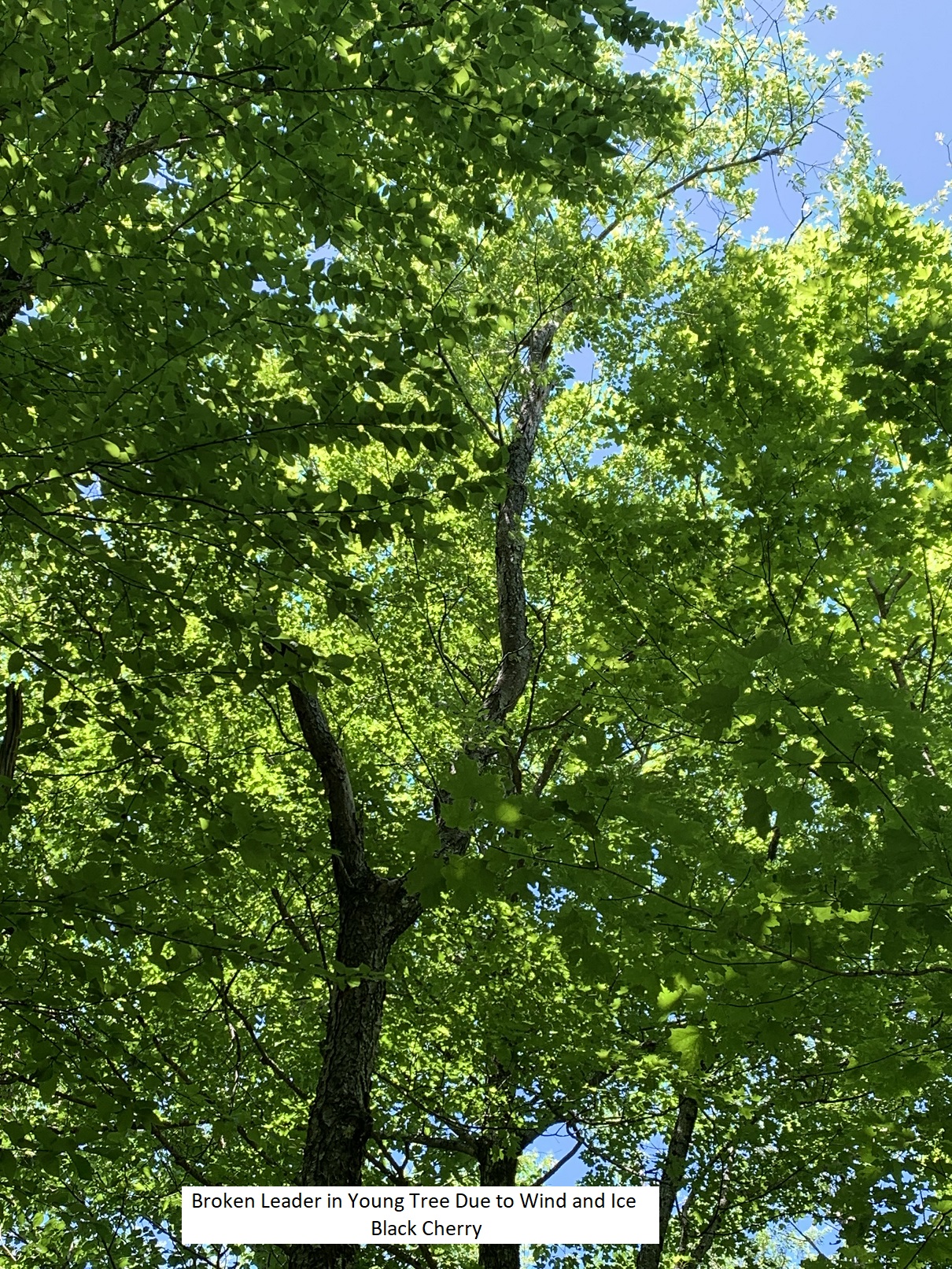
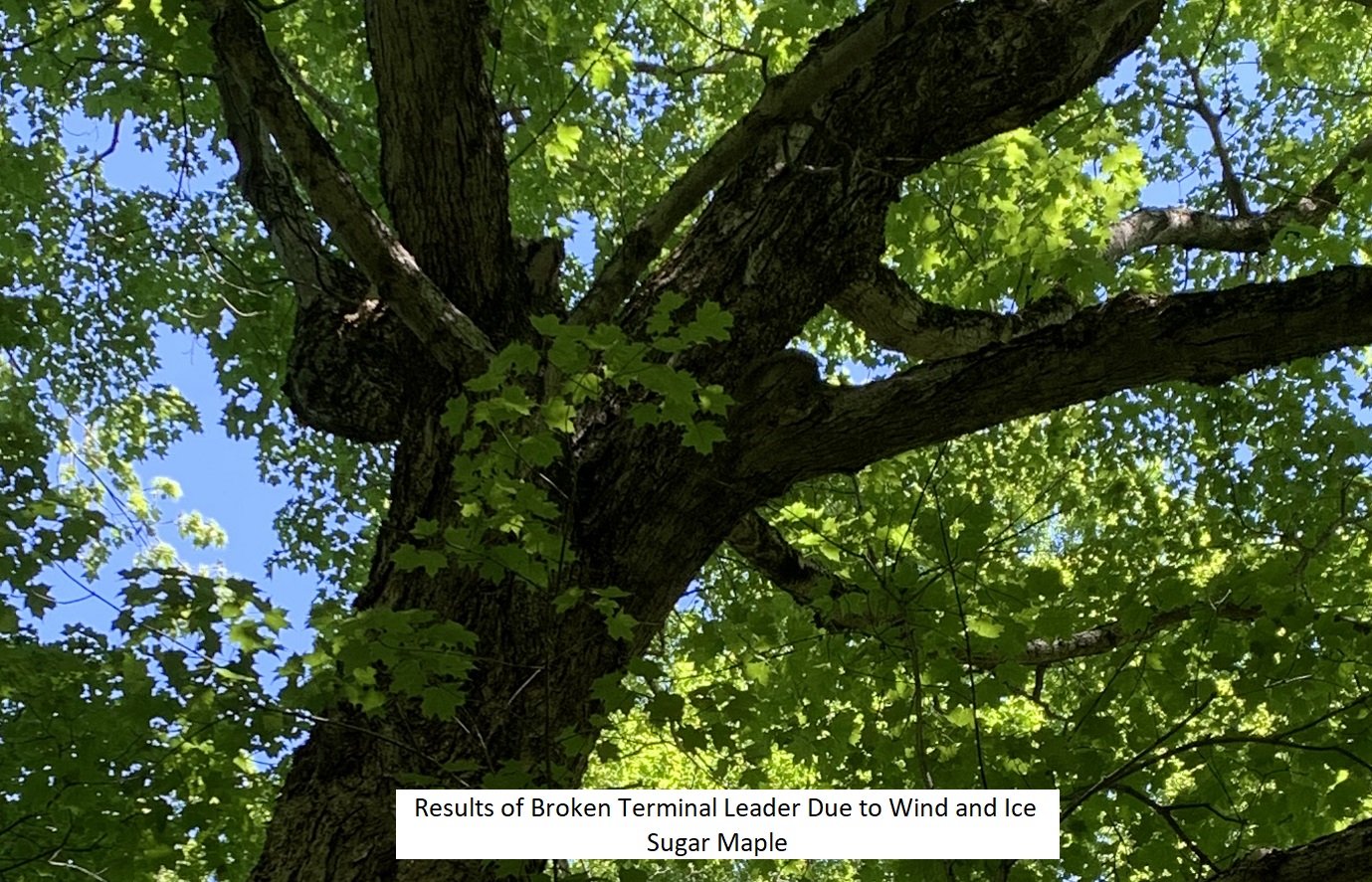
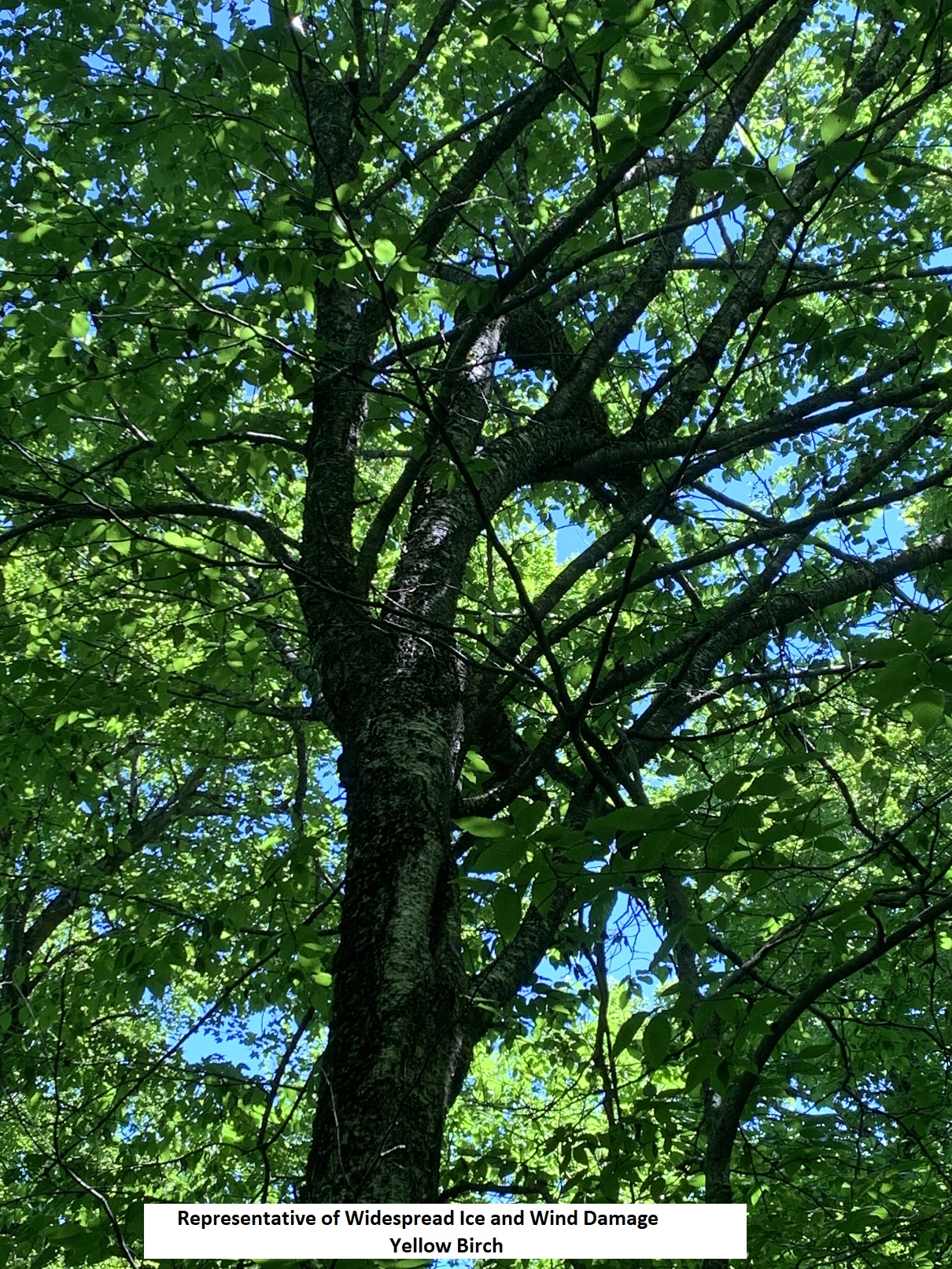
- Fewer Days with temperatures below 32°F: The elevation of Savoy may create conditions that encourage more icing events. Ice glazing events lead to breakage in the tops of trees, as well as along major limbs. Spruce and fir remain in-tact after ice storms far more frequently than hardwoods. Breakage in tops and along major limbs leads to decay and rot in those areas that eventually infects the entire tree.
- Forest composition will change across the landscape in New England and northern New York. Many ecosystems with northern and boreal tree species will be facing increased stress: These elements could lead to the loss of the current spruce-fir (red spruce-balsam fir) forest ecosystems and replace them with more hardwood components. The trending hardwood components are anticipated to be oak-hickory (likely northern red oak-bitternut/shagbark hickory) which are currently very minor components of larger forest ecosystems, specifically northern hardwoods.
- Forest productivity in New England and northern New York will increase during the next several decades in the absence of significant stressors: The shorter growing season on Savoy Mountain State Forest, when compared to other areas in the state, is a negative factor in the overall productivity of the natural systems. Higher rates of forest productivity present opportunities for a more rapid production of timber for long-term durable goods which also represent long-term carbon stores. Other benefits of a more productive forest include more productive wildlife habitat, potential for better air quality, more opportunities for disturbed areas to be colonized by native vegetation, water quality benefits as more nitrates are removed from runoff and sheetflow prior to entering streams, and longer periods of productivity from wetlands before they freeze over.
- Certain insect pests and pathogens will increase in occurrence or become more damaging in New England and northern New York, with invasive plants increasing in extent or abundance: Stressors from native plants and pathogens that may become invasive, along with higher potentials for invasive exotic introductions, may cause conditions that reduce the integrity of function of natural systems creating a net degradation of quality. Impacts from invasives also include reduced seedling and ground cover recruitment. For instance, garlic mustard (Alliaria petiolata) does not require mycorrhizal associations and degrades the mutualisms in soils it invades.
- Forest Vegetation in New England and northern New York may face increased risk of moisture deficit and drought during the growing season.: Balsam fir comprises 30% or more of the spruce-fir cover type and serves as an important minor component of northern hardwood types on Savoy Mountain State Forest. Balsam fir require moist conditions for seedlings to establish, and in many cases, moisture is more important than light. Drought during a summer that would lead to moisture stress and mortality in a significant number of healthy mature trees in a given area, of any species, will also kill large portions of the entire cohort of newly germinated and young seedlings in the same area. In a more general sense trees and vegetation also become less effective at defense and recovery during droughts, i.e.: leaves do not flush as readily following defoliation events in hardwoods and conifers do not produce enough pitch to dislodge or deter predators.
- Precipitation Patterns will be altered with projected increases in total annual precipitation distributed unevenly among colder months (more) and warmer months (less).: Changes to precipitation during the summer months is of higher concern for the project area. This is because during the winter months the vegetation is dormant, and springs are historically wet with saturated soils. Colloquially this time of year is referred to as mud season. The excess precipitation will either pool or become runoff much like it already does. The models suggest that summers will either be drier, or, have the same amount of precipitation occurring as larger events with longer drying periods. This could create a condition where the ability of a site to maintain soil moisture levels, especially for a longer period with higher rates of evapotranspiration due to higher forest productivity, will be compromised. This chain of events could lead to a variety of outcomes including: lower diversity and/or richness of species at the end of each growing season that successfully reproduce; an influx of more drought tolerant species displacing less tolerant species, creating a species shift but maintaining diversity; and/or more invasive species occurrences, especially in those areas with marginal site occupancies caused by colonization gaps.
Challenges and Opportunities
Challenges
Opportunities
Adaptation Actions
Project participants used the Adaptation Workbook to develop several adaptation actions for this project, including: