
Project Area
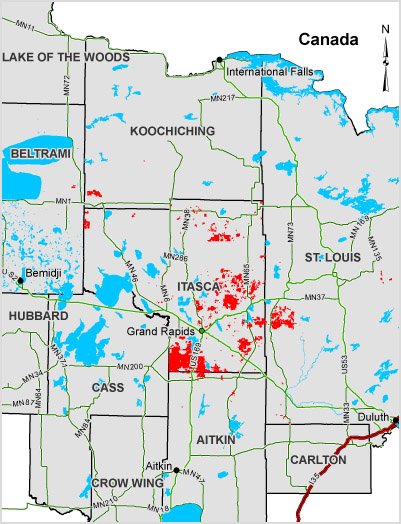
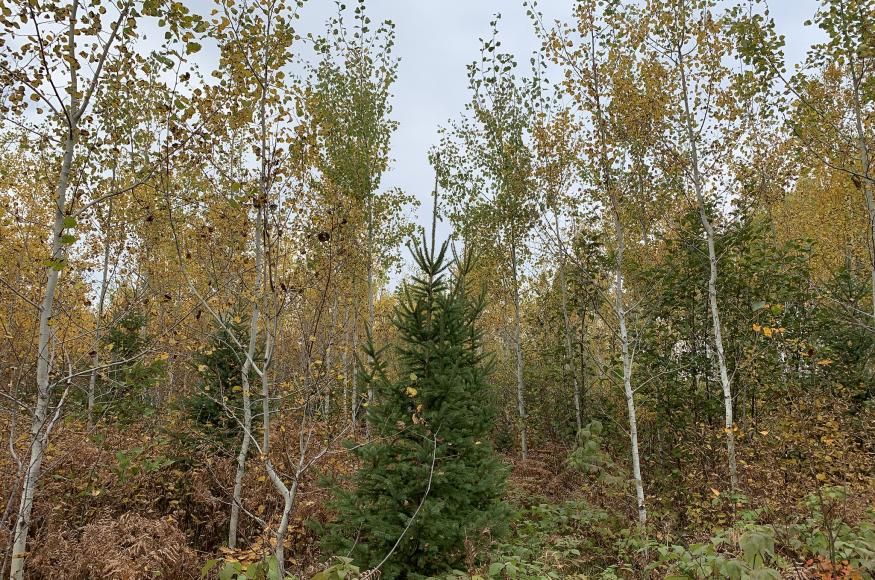
 UPM Blandin Forestry is one of the largest private landowners in Minnesota, managing 188,000 acres of forest land across the northern half of the state (red shaded areas in the map). They manage a variety of forest cover types, including spruce plantations, aspen, upland mixed conifer, northern hardwoods, and lowlands.
Management Goals


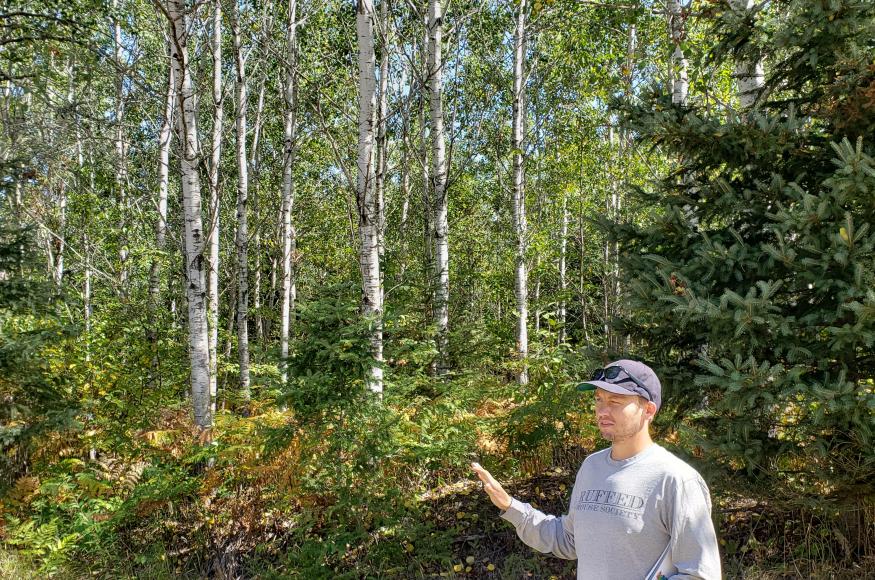
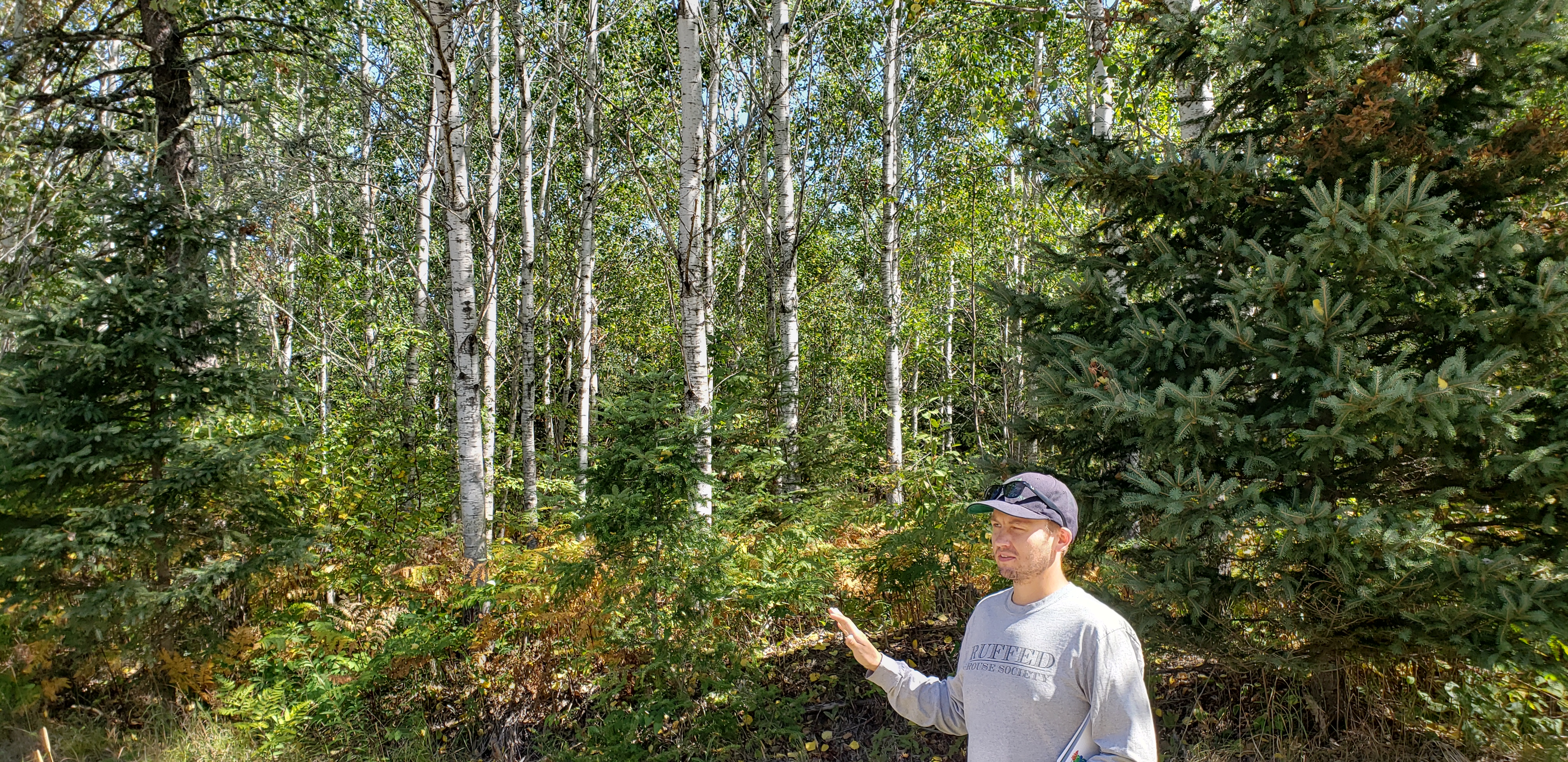
Broadly, the Blandin Forest Lands are managed to supply the Blandin paper mill in Grand Rapids, MN. Harvesting is carried out by independent logging contractors, and the Blandin staff foresters determine when, where, and how harvests occur. Blandin has been a pioneer of ecological forest management, which involves managing forests to according to their native plant community classification as well as adopting best management practices to preserve soil and water quality. In practice, Blandin has already been dedicated to a "mixedwood" method to managing the land, rather than emphasizing monotypic spruce and aspen stands. Learn more about the Blandin Smart Forestry approach here.
All UPM Blandin lands are certified according to the SFI Forest Management Standards. In 2022 SFI adopted the new Forest Management Standards, which include a new Indicator on Climate-Smart Forestry. This Indicator prompts certified organizations to identify priority climate change risks, discuss how their management helps adapt to those risks, and also to discuss how their forest management contributes to forest carbon management. The Blandin Climate Adaptation Plan will help the company meet these new expectations and highlight new opportunities to ensure the long-term health of their forest resources.
Climate Change Impacts
In their Climate Adaptation Plan, Blandin drew several conclusions from the NIACS Forest Ecosystem Vulnerability Assessment and Synthesis for Northern Minnesota. Some of their priority climate impacts included:
Adaptation Actions
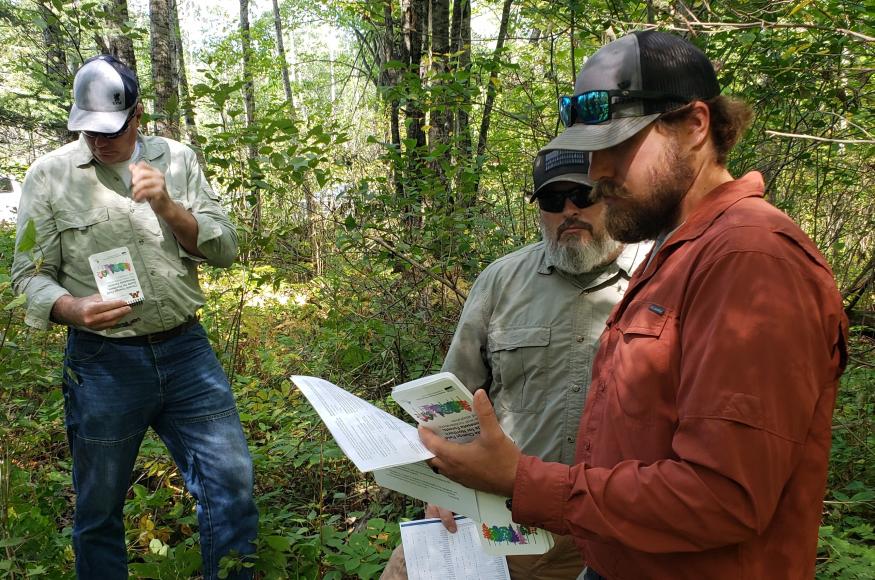
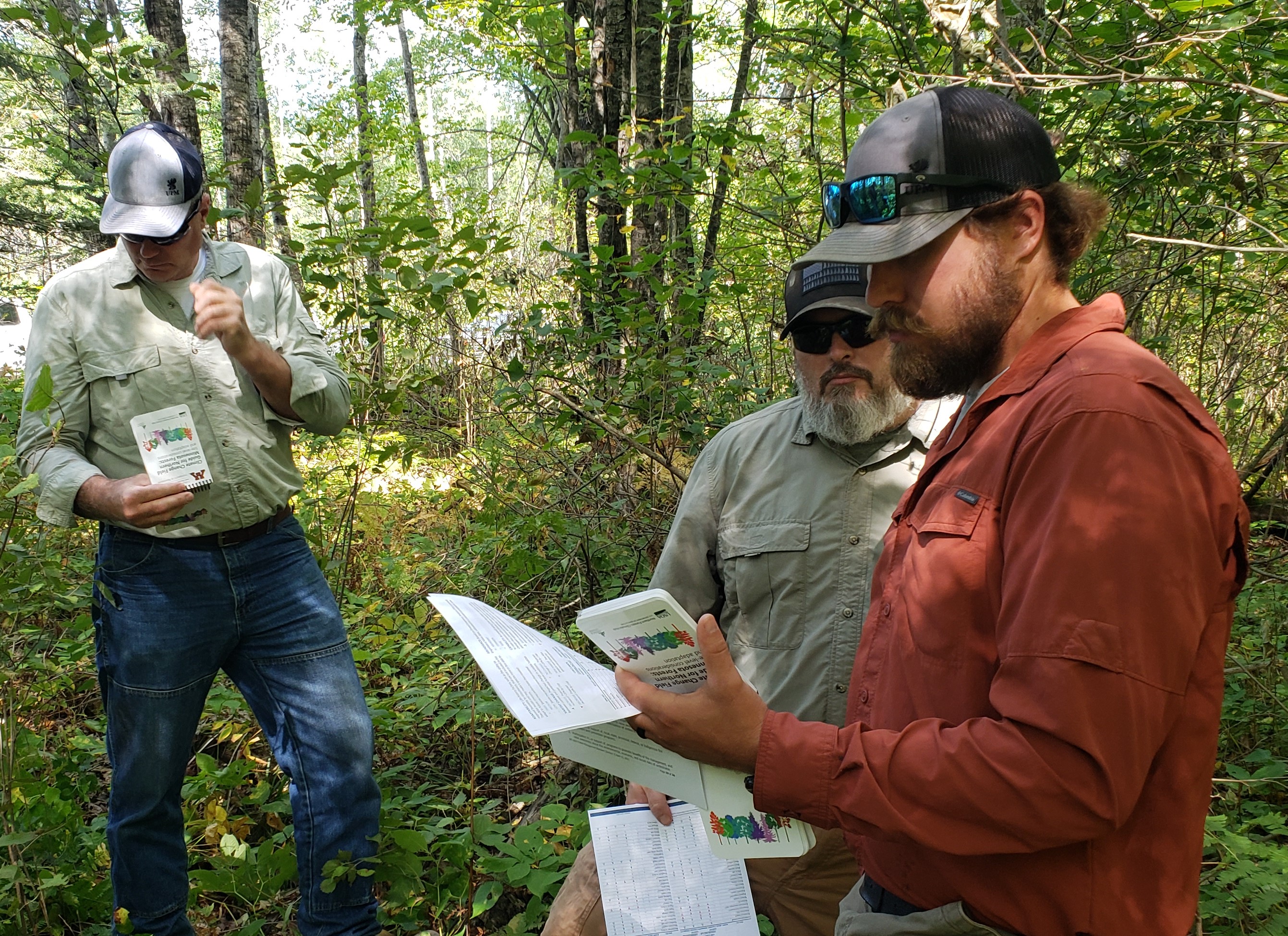
Sawyer Scherer, the UPM Blandin Forest Ecologist, used the NIACS Forest Adaptation Menu as a template for the Climate Adaptation Plan. He reviewed each of the ten strategies in the menu and identified instances where Blandin's work already aligns with one or more of the approaches. This portion of the plan highlights that the company's forest management actions currently contribute toward climate adaptation, and provides several clear examples to communicate with auditors and the public.
This plan also highlights opportunities for further work and improvement. Sawyer identified eight priority actions for Blandin forestry over the next 10 years, in order to align with UPM Blandin's overall 2030 Forest Action Targets. Some of these priorities include:
4.1. Prioritize, maintain, and restore unique sites
4.2. Prioritize and maintain sensitive or at-risk species or communities
9.1. Favor or restore native species that are expected to be adapted to future conditions.
8.2. Favor existing genotypes that are better adapted to future conditions.